With more than 10‑year industry experience, Shandong Headpowder delivers full‑service pneumatic‑conveying systems and blowers, undertaking nationwide turn‑key powder‑handling projects.
For industrial applications that require the safe and efficient transport of hydrogen chloride (HCl) gas, specialized material handling systems are essential. These systems are engineered to manage the unique properties of HCl, ensuring compliance with safety standards and operational efficiency. This article explores the fundamental aspects of hydrogen chloride material handling systems, including their design principles and key components.
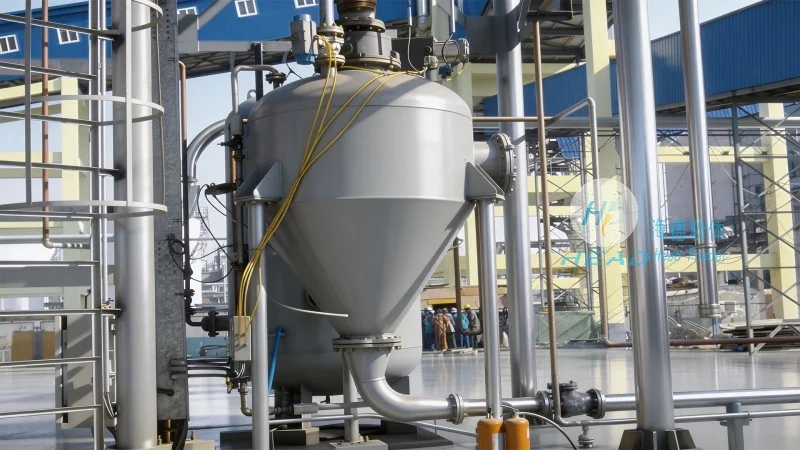
Hydrogen chloride is a highly corrosive and toxic gas, making its handling a critical concern in industrial processes. When transporting HCl, systems must address its reactivity with metals, its tendency to form hydrochloric acid upon contact with moisture, and its potential for pressure build-up. The design of a hydrogen chloride material handling system must incorporate robust materials of construction, effective sealing mechanisms, and proper ventilation to mitigate risks. The system must also comply with local and international safety regulations, such as those outlined by the Occupational Safety and Health Administration (OSHA) and the European Union's REACH regulations.
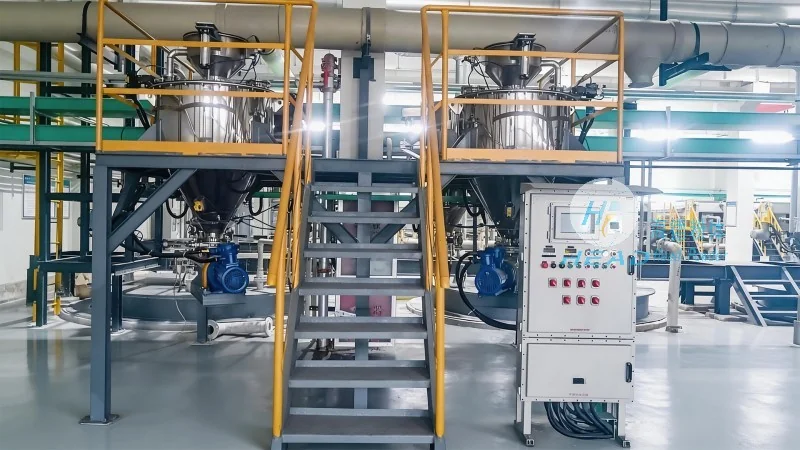
A typical hydrogen chloride material handling system consists of several interconnected components, each playing a vital role in the safe transport and control of the gas. The primary components include: storage vessels or cylinders, pressure regulators, flow control valves, piping systems, and monitoring equipment. Storage vessels are often made from corrosion-resistant materials like stainless steel or specialized alloys to withstand the acidic nature of HCl. Pressure regulators maintain a consistent pressure within the system, preventing over-pressurization and ensuring smooth flow. Flow control valves allow operators to adjust the rate of HCl delivery, adapting to the needs of downstream processes. Piping systems are designed with smooth, non-porous surfaces to minimize friction and corrosion, often using materials like PTFE-coated steel or glass-lined pipes. Monitoring equipment, such as pressure transmitters and gas detectors, continuously track system parameters and alert operators to any deviations from normal operating conditions.
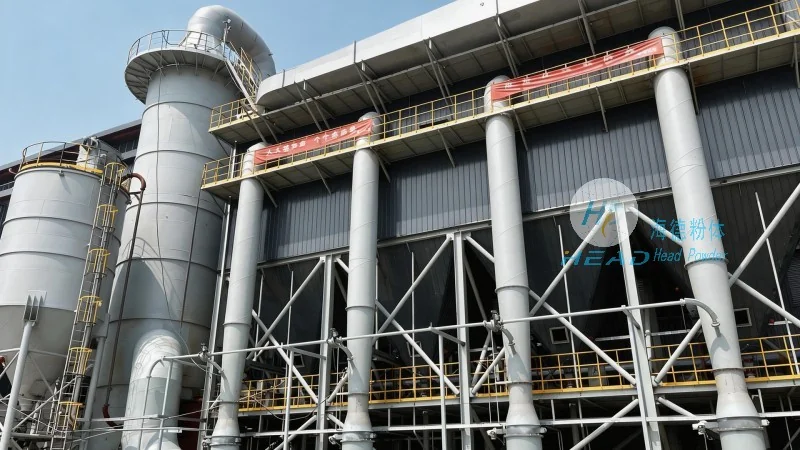
The design of a hydrogen chloride material handling system follows several core principles aimed at safety, reliability, and efficiency. First, the system must prioritize containment and leak prevention. All connections, joints, and seals are engineered to be tight and resistant to HCl corrosion, reducing the risk of gas leaks. Second, the system incorporates proper ventilation and emergency shutdown mechanisms. In the event of a pressure surge or gas leak, emergency valves can quickly shut off the flow, and ventilation systems can disperse any released HCl to a safe area. Third, the design emphasizes ease of maintenance and inspection. Access panels and inspection ports are strategically placed to allow technicians to check for corrosion, wear, or damage without disrupting the entire system. Fourth, the system is designed for scalability, allowing it to be expanded or modified as production needs change. This flexibility ensures long-term operational viability and cost-effectiveness.
Hydrogen chloride material handling systems are widely used across various industries that rely on HCl in their production processes. Key applications include the chemical industry, where HCl is used in the manufacturing of fertilizers, dyes, and pharmaceuticals. In the petrochemical sector, HCl is employed in the production of polyvinyl chloride (PVC) and other plastics. The semiconductor industry also utilizes HCl for cleaning and etching processes, requiring precise control of gas flow and concentration. Additionally, the metal processing industry uses HCl for pickling and surface treatment of metals, where the gas must be delivered under controlled conditions to prevent over-etching or corrosion. Each of these applications demands a customized material handling system tailored to the specific requirements of the process, ensuring optimal performance and safety.
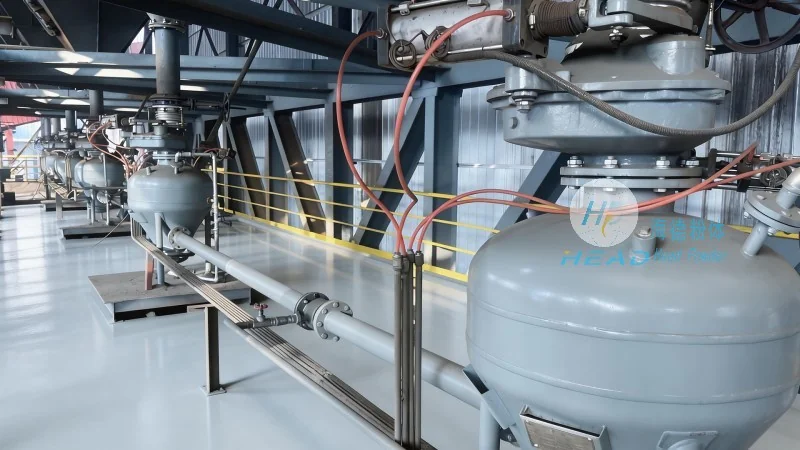
Hydrogen chloride material handling systems are critical infrastructure for industries that rely on this versatile but hazardous gas. The design principles and components discussed above ensure that these systems operate safely, efficiently, and in compliance with regulatory standards. As a leading provider of engineering solutions, Shandong HeadPowder Engineering Co., Ltd., based in Shandong, China, specializes in the design, manufacturing, and installation of hydrogen chloride material handling systems. With a focus on safety, quality, and customer satisfaction, HeadPowder delivers tailored solutions that meet the unique needs of industrial clients. By adhering to rigorous engineering standards and continuous improvement practices, HeadPowder ensures that its systems provide reliable performance and contribute to the success of its clients' operations.

 Shandong Headpowder Engineering Co., Ltd.
 156-6277-7102(Manager Zhang)
  0531-83386006
  Zhangqiu District, Jinan City, Shandong Province, China
telephone
WeChatconsult
top