

What is a desulfurization and denitrification agent powder conveying equipment? What are its design
Desulfurization and denitrification agents are vital in modern industrial operations, especially in power generation and chemical manufacturing. The efficient handling and transportation of these powders require specialized equipment designed for safety, reliability, and optimal performance. This article examines desulfurization and denitrification agent powder conveying equipment, detailing its design principles and operational aspects.
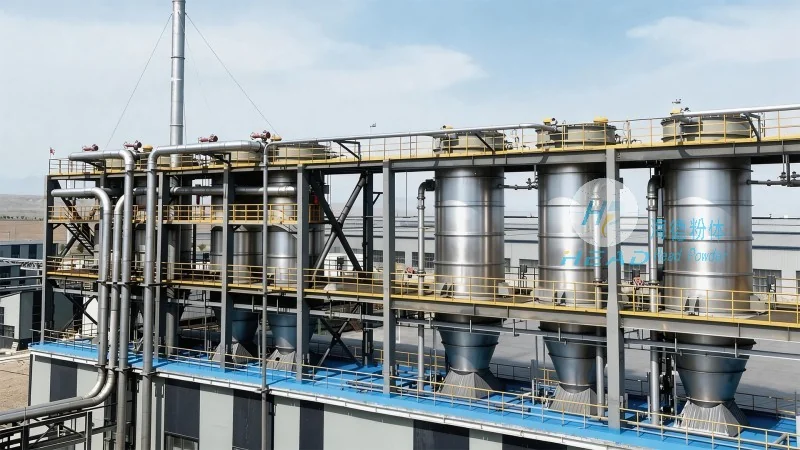
Understanding the Importance of Desulfurization and Denitrification Agents
Desulfurization agents (e.g., limestone, calcium carbonate) and denitrification agents (e.g., ammonia, urea) are used to reduce sulfur dioxide (SO₂) and nitrogen oxides (NOₓ) emissions from combustion processes. These powders are fine and can be abrasive, making their handling challenging. The equipment must be robust, dust-tight, and capable of preserving the powder’s integrity during transfer.
HeadPowder Engineering Co., Ltd.: A Leading Manufacturer
Shandong HeadPowder Engineering Co., Ltd., headquartered in China, specializes in advanced powder handling systems. The company focuses on innovation and customer-centric solutions, developing state-of-the-art equipment tailored to desulfurization and denitrification needs. HeadPowder’s expertise lies in creating reliable, efficient, and cost-effective conveying solutions that meet industrial clients’ stringent requirements.
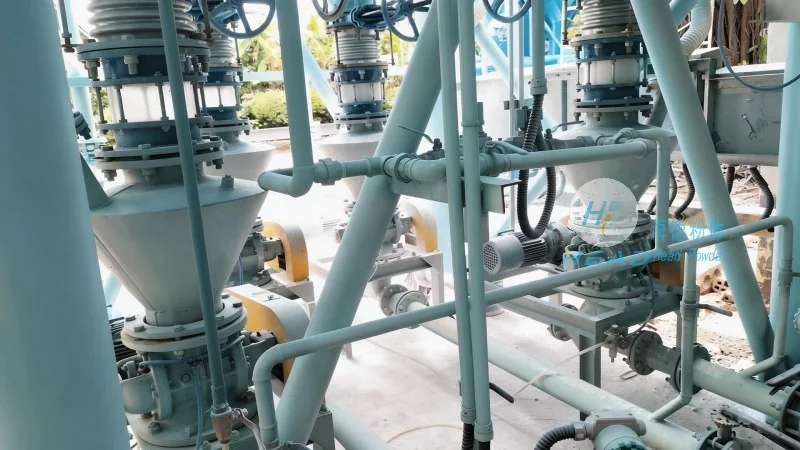
Core Components of Powder Conveying Systems
A desulfurization and denitrification agent powder conveying system includes feeders, conveyors, and control systems. Feeders meter powder from storage silos or hoppers, ensuring consistent flow. Common types are rotary valves, screw feeders, and vibratory feeders, selected based on powder characteristics and system needs. Conveyors—pneumatic or mechanical—transport the powder. Pneumatic systems use air pressure, while mechanical systems rely on belts, buckets, or screws. The choice depends on powder density, flowability, and distance.
Design Principles for Efficient Conveying
The equipment’s design follows key principles: dust-tight construction to prevent contamination, material compatibility (stainless steel, polyethylene, or specialized alloys) to resist corrosion and abrasion, and easy maintenance/cleaning to avoid blockages. Sealed components (rotary seals, air locks) maintain positive pressure, and self-cleaning mechanisms simplify upkeep.
Operational Efficiency and Safety
Operational efficiency and safety are critical. Sensors and controls monitor flow rates, pressure, and temperature. Safety features include emergency shut-off valves, pressure relief devices, and dust collection systems to prevent explosions and protect personnel. The system minimizes product loss and waste, optimizing process efficiency.
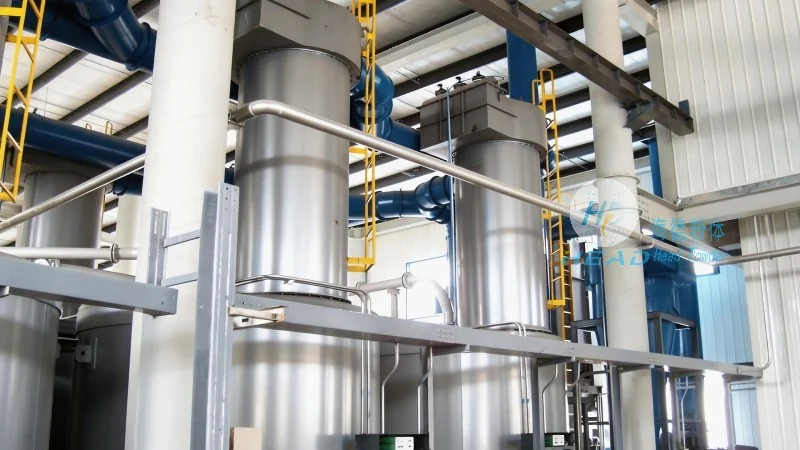
Applications and Benefits of HeadPowder’s Solutions
HeadPowder’s equipment is used in power plants, chemical factories, and environmental treatment facilities. Benefits include improved process control, reduced downtime, and enhanced safety. Consistent powder transfer maintains product quality and reduces equipment failure risks. Solutions are customized to client needs, maximizing efficiency and minimizing costs.
Conclusion
In summary, desulfurization and denitrification agent powder conveying equipment is essential for handling fine, abrasive powders. Design principles—dust-tightness, material compatibility, and maintenance ease—ensure optimal performance. HeadPowder Engineering Co., Ltd. provides advanced, reliable solutions that reduce emissions and improve overall process efficiency, serving industrial clients effectively.