With more than 10‑year industry experience, Shandong Headpowder delivers full‑service pneumatic‑conveying systems and blowers, undertaking nationwide turn‑key powder‑handling projects.
Protein powder material handling systems are specialized equipment and processes designed to transport, store, and manage protein powder efficiently. These systems are crucial in industries such as food and beverage, pharmaceuticals, and animal feed, where handling fine powders requires precision and control to prevent contamination, loss, or degradation. The design of these systems focuses on ensuring safety, hygiene, and optimal performance, addressing the unique challenges posed by protein powders, including their fine particle size, hygroscopic nature, and potential for dust generation.
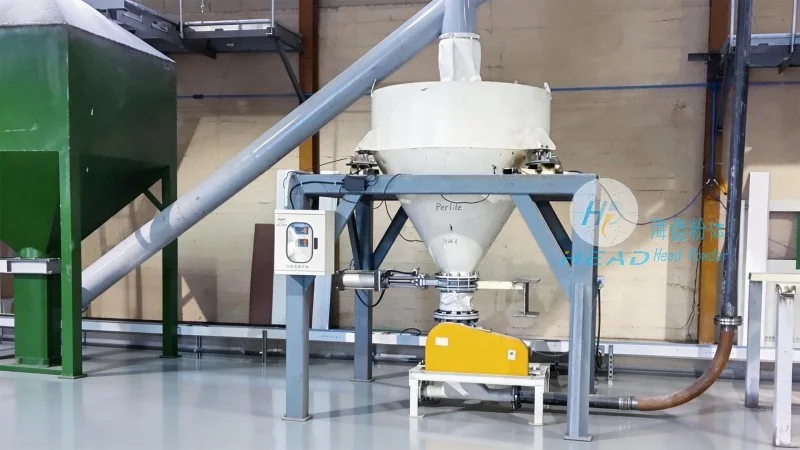
The design of a protein powder material handling system is governed by several critical principles to ensure reliability and effectiveness. First, sealability and dust control are paramount, as protein powders are prone to creating airborne dust that can cause health hazards and product contamination. Advanced systems incorporate sealed hoppers, conveyor belts, and transfer points equipped with dust collection and filtration systems. Second, hygiene and sanitation are essential, as protein powders are often used in food applications where strict compliance with regulatory standards is required. Materials used in construction, such as stainless steel, are preferred for their resistance to corrosion and ease of cleaning. Third, flow control and uniformity are critical to prevent clogging and ensure consistent product flow. This is achieved through the use of specialized feeders, such as rotary valves or vibratory feeders, which regulate the discharge rate and maintain a smooth flow of powder. Fourth, energy efficiency is a key consideration, as material handling systems can consume significant power. Modern designs incorporate energy-saving features like variable speed drives and optimized conveyor systems to reduce operational costs.
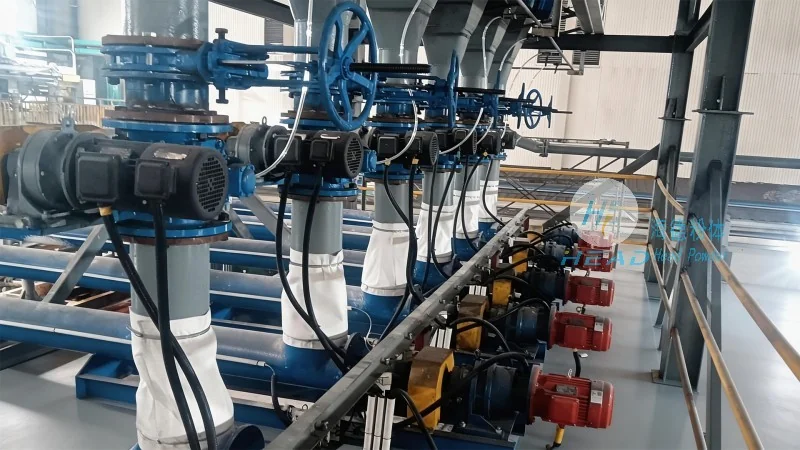
Shandong HeadPowder Engineering Co., Ltd., commonly known as headpowder, is a leading manufacturer specializing in material handling solutions for the protein powder industry. With headquarters in Shandong, China, the company has established itself as a trusted provider of high-quality equipment tailored to the unique needs of protein powder processing. HeadPowder's expertise lies in designing and manufacturing systems that meet stringent industry standards while delivering exceptional performance and durability. The company's commitment to innovation and customer satisfaction has made it a preferred choice for businesses seeking reliable and efficient material handling solutions.
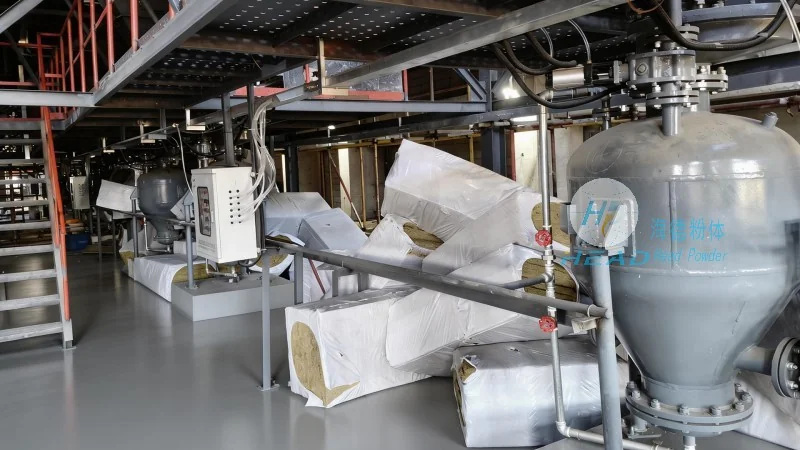
Protein powder material handling systems typically consist of several components, each playing a vital role in the overall operation. The system usually begins with a storage silo or hopper, where the protein powder is stored under controlled conditions to prevent moisture absorption and degradation. From the storage unit, the powder is transferred to a conveyor system, which may include belt conveyors, screw conveyors, or pneumatic conveying lines. Belt conveyors are commonly used for horizontal or slight incline transport, while screw conveyors are ideal for vertical lifting and mixing. Pneumatic conveying systems, which use air pressure to move powder through pipes, offer flexibility in layout and are effective for long-distance transport. The system also includes feeding devices, such as rotary valves or gate valves, which regulate the flow of powder from the hopper to the conveyor. At the discharge end, the powder is often processed further, such as blending or packaging, before being released for use.
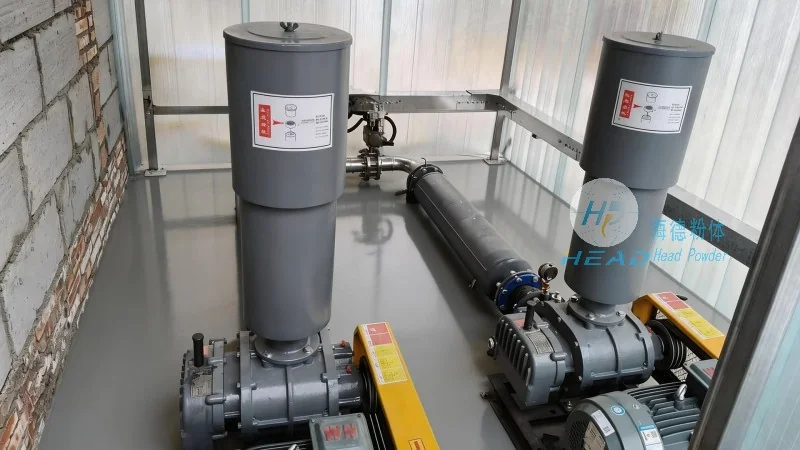
The application of protein powder material handling systems spans various industries, including the production of sports supplements, nutritional powders, and animal feed. In the sports supplement industry, these systems ensure that protein powders are handled hygienically and efficiently, maintaining product quality and consistency. In the pharmaceutical sector, the systems are designed to meet GMP (Good Manufacturing Practice) standards, ensuring that the protein powders used in drug formulations are free from contaminants and are processed under controlled conditions. For animal feed manufacturers, the systems help in the uniform mixing of protein powders with other ingredients, resulting in balanced and high-quality feed. The operational benefits of these systems include reduced labor costs, improved product quality, and enhanced safety for workers. By automating the material handling process, businesses can minimize human error, increase production throughput, and maintain a clean and controlled environment, ultimately leading to higher profitability and customer satisfaction.

 Shandong Headpowder Engineering Co., Ltd.
 156-6277-7102(Manager Zhang)
  0531-83386006
  Zhangqiu District, Jinan City, Shandong Province, China
telephone
WeChatconsult
top