With more than 10‑year industry experience, Shandong Headpowder delivers full‑service pneumatic‑conveying systems and blowers, undertaking nationwide turn‑key powder‑handling projects.
For industries dealing with bulk materials, the efficient and reliable handling of raw materials is crucial for maintaining production efficiency and product quality. Among the various technologies available, the automatic bulk material pneumatic conveying system stands out as a sophisticated solution that combines precision, automation, and flexibility. This article delves into the concept of such systems and explores the underlying design principles that make them effective in diverse industrial applications.
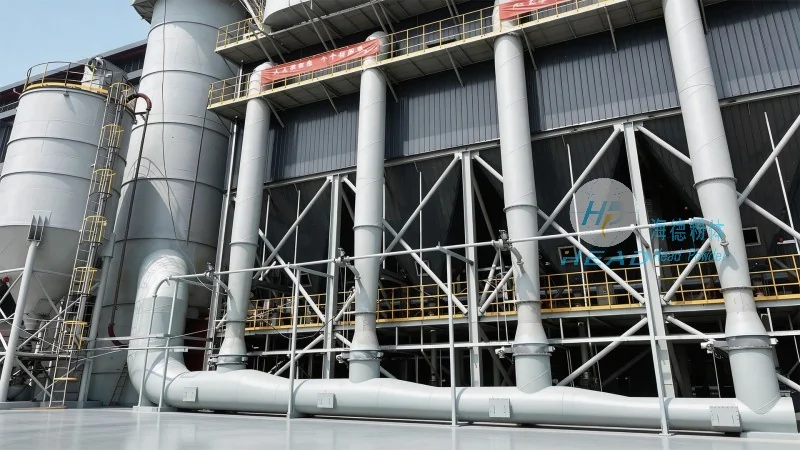
An automatic bulk material pneumatic conveying system is a specialized equipment used to transport dry bulk materials, such as powders, granules, and fine particles, from one location to another within a processing facility. Unlike traditional mechanical conveyors, which rely on gravity or mechanical force, pneumatic conveying systems utilize air or other gases to move materials through a network of pipes. This method offers several advantages, including the ability to handle materials that are difficult to transport mechanically, such as those that are abrasive, corrosive, or prone to caking. The system typically consists of a hopper for material storage, a feeder to control the flow rate, a conveying line with appropriate valves and filters, and a receiver for the discharged material.
At the heart of an automatic bulk material pneumatic conveying system are several key components that work in tandem to ensure smooth operation. The first component is the material hopper, which serves as the storage container for the bulk material. It is designed to hold a sufficient quantity of material to support continuous operation and is often equipped with a level indicator to monitor the material level. The feeder, usually a rotary valve or a screw feeder, is responsible for controlling the flow rate of the material into the conveying line. This component is critical for maintaining a consistent material flow, which is essential for preventing blockages and ensuring the system operates efficiently.
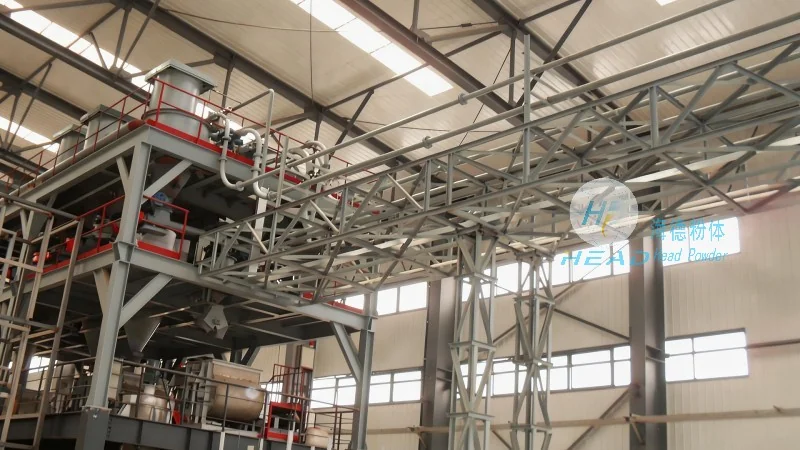
The conveying line itself is a network of pipes that transport the material and air mixture. The design of the pipe system is crucial, as it must be able to handle the pressure and flow requirements of the system. The system may include various components such as elbows, tees, and bends, which are designed to minimize pressure loss and prevent material deposition. To ensure the material is conveyed effectively, the system often incorporates a filter or separator at the end of the line to remove any air or dust from the material before it is discharged into the receiver. The receiver, typically a hopper or a silo, is where the material is collected after being conveyed.
The design of an automatic bulk material pneumatic conveying system is based on several fundamental principles that ensure its efficiency, reliability, and adaptability to different material types and process requirements. The first principle is the selection of the appropriate conveying method, which can be either positive pressure or negative pressure. Positive pressure systems use a blower or compressor to push the material through the line, while negative pressure systems use a vacuum to draw the material. The choice between these methods depends on factors such as the material's properties, the distance to be conveyed, and the system's capacity.
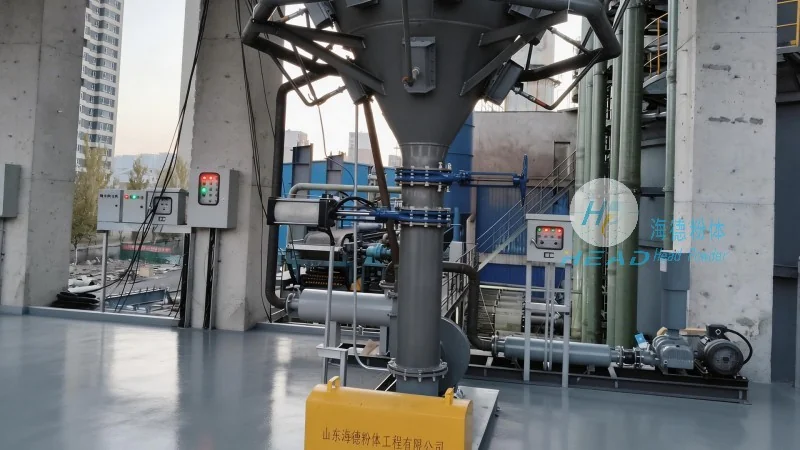
A second key design principle is the calculation of the air velocity and flow rate. The air velocity must be sufficient to keep the material suspended in the air stream and prevent it from settling or caking in the pipes. The flow rate, on the other hand, must be optimized to ensure that the material is conveyed at a consistent rate without causing excessive pressure drop or energy consumption. This calculation involves considering the material's density, particle size, and the system's layout.
A third important principle is the consideration of material properties. Different materials have different characteristics, such as abrasiveness, moisture content, and flowability, which can affect the system's performance. For example, abrasive materials may require special materials for the pipe and valve components to prevent wear and tear. Moisture content can affect the material's flowability and may require the use of a dryer or a humidifier to adjust the conditions. Flowability is also a critical factor, as materials with poor flowability may require the use of a pre-conditioner or a vibratory feeder to improve their handling characteristics.
Modern automatic bulk material pneumatic conveying systems are increasingly equipped with advanced automation features that enhance their performance and reduce the need for manual intervention. These features include automatic control of the feeder, which adjusts the flow rate based on the material level in the hopper, and automatic cleaning of the system, which removes any material buildup or blockages. The system may also include sensors that monitor the pressure, flow rate, and material level, providing real-time data to the operator. This data can be used to optimize the system's operation and prevent potential issues before they occur.
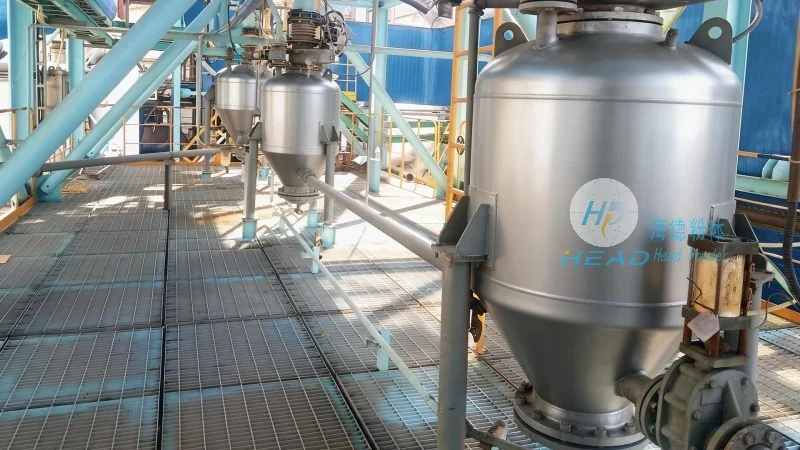
The automatic bulk material pneumatic conveying system is widely used in various industries, including food processing, pharmaceuticals, chemicals, and mining. In the food industry, for example, such systems are used to transport ingredients like flour, sugar, and spices, ensuring that the materials are handled hygienically and efficiently. In the pharmaceutical industry, the system is used to transport active ingredients and excipients, maintaining the purity and quality of the materials. In the chemical industry, the system is used to transport various chemicals, including powders and granules, while minimizing the risk of contamination and exposure to hazardous materials. In the mining industry, the system is used to transport raw materials from the mine to the processing plant, improving the efficiency of the mining operation.
In conclusion, the automatic bulk material pneumatic conveying system is a sophisticated and versatile solution for handling bulk materials in various industrial applications. Its design is based on fundamental principles that ensure efficiency, reliability, and adaptability to different material types and process requirements. With the integration of advanced automation features, these systems have become an essential part of modern industrial operations, contributing to increased productivity and improved product quality. As industries continue to evolve and demand more efficient material handling solutions, the role of automatic bulk material pneumatic conveying systems will only become more critical.

 Shandong Headpowder Engineering Co., Ltd.
 156-6277-7102(Manager Zhang)
  0531-83386006
  Zhangqiu District, Jinan City, Shandong Province, China
telephone
WeChatconsult
top