With more than 10‑year industry experience, Shandong Headpowder delivers full‑service pneumatic‑conveying systems and blowers, undertaking nationwide turn‑key powder‑handling projects.
Adipic acid is a vital chemical intermediate widely utilized in the production of nylon and other polymers. The efficient and safe transportation of adipic acid from storage to processing units is essential for industrial operations. This article explores the concept of a pneumatic conveying system for adipic acid and delves into the underlying design principles that ensure optimal performance and reliability.
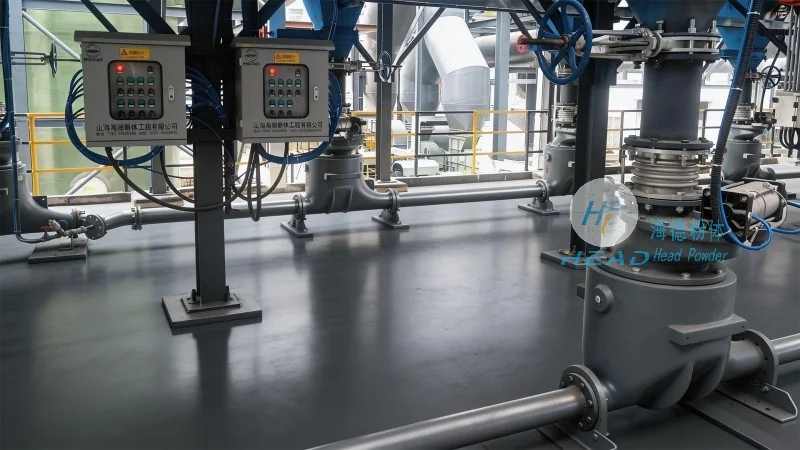
A pneumatic conveying system is a method of transporting bulk materials, such as adipic acid, using a stream of pressurized air or other gases. Unlike traditional mechanical conveying methods, which rely on belts, screws, or buckets, pneumatic systems offer advantages like minimal product contamination, reduced equipment wear, and the ability to handle materials in enclosed systems, preventing dust and environmental exposure.
The design of an adipic acid pneumatic conveying system involves several critical components that work in concert to ensure smooth material flow. These components typically include a hopper or storage silo for the adipic acid, a feeder mechanism to control the flow rate, a conveying line (often made of stainless steel to resist corrosion), a pressure vessel or receiver to collect the material at the destination, and a blower or compressor to generate the necessary air pressure.
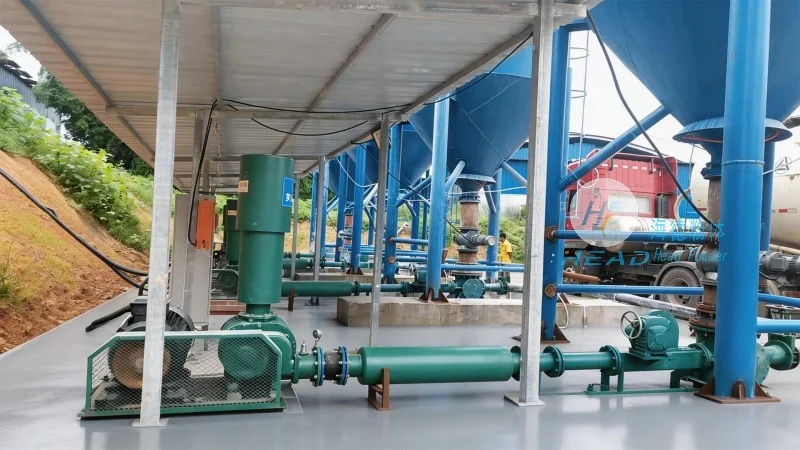
The design of a pneumatic conveying system for adipic acid must consider several factors to ensure efficiency, safety, and durability. First, the system must be designed to handle the specific properties of adipic acid, including its particle size, moisture content, and tendency to agglomerate. Particle size is a critical factor because it affects the air velocity required for proper transport. Smaller particles may require higher air velocities to prevent settling or blockages in the conveying line.
Second, the system must be engineered to minimize product degradation and contamination. This involves using materials that are resistant to the chemical properties of adipic acid, such as stainless steel or specialized coatings for the conveying line and equipment. Additionally, the system should incorporate features like air filtration and dust collection to maintain a clean environment and prevent product loss.
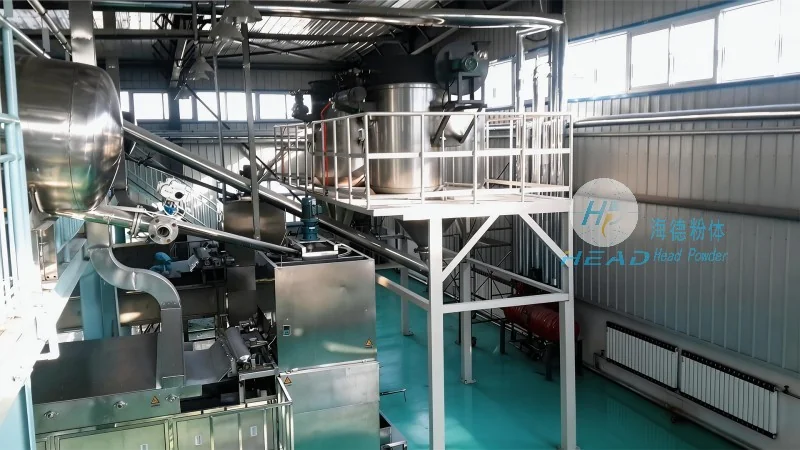
Proper system sizing is essential for the efficient operation of a pneumatic conveying system. The air velocity within the conveying line must be sufficient to keep the adipic acid particles suspended and moving forward. Calculating the appropriate air velocity involves considering the particle size distribution, density, and flow rate of the material. Engineers typically use empirical formulas or computational fluid dynamics (CFD) simulations to determine the optimal air velocity that balances energy efficiency with reliable material transport.
Effective pressure and flow control are crucial for maintaining consistent material delivery in a pneumatic conveying system. The system may include pressure regulators to maintain a stable air pressure, and flow meters to monitor the material flow rate. In some cases, variable frequency drives (VFDs) are used to adjust the speed of the feeder or blower, allowing for precise control over the material flow. This control is vital for preventing overloading of the system, which can lead to blockages or equipment damage.
When designing a pneumatic conveying system for adipic acid, safety and environmental factors must be prioritized. Adipic acid is a hazardous material, and the system must be designed to prevent leaks or spills that could pose health risks or environmental hazards. This includes using sealed containers, regular maintenance checks, and emergency shut-off systems. Additionally, the system should incorporate dust collection and filtration to minimize airborne particulates and comply with environmental regulations.
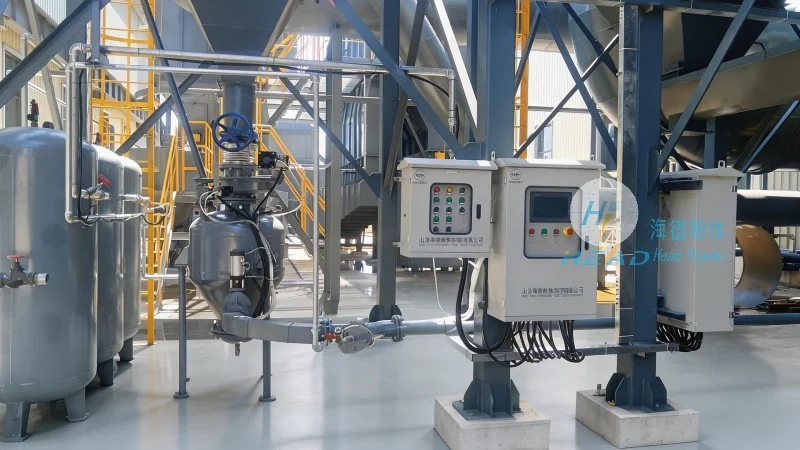
Shandong HeadPowder Engineering Co., Ltd., a leading provider of industrial conveying solutions, specializes in designing and manufacturing pneumatic conveying systems tailored to the specific needs of adipic acid processing facilities. With a deep understanding of the chemical properties of adipic acid and the challenges associated with its transportation, HeadPowder engineers develop customized systems that ensure high efficiency, low maintenance, and compliance with industry standards. The company's expertise in material handling and process engineering enables them to deliver solutions that enhance productivity and safety in adipic acid production lines.
In summary, a pneumatic conveying system for adipic acid is a sophisticated and efficient method of transporting this critical chemical intermediate. The design principles, including proper component selection, system sizing, and control mechanisms, are essential for ensuring reliable and safe operation. Companies like Shandong HeadPowder Engineering Co., Ltd. play a vital role in providing tailored solutions that meet the specific requirements of adipic acid processing facilities, contributing to improved productivity and operational safety in the chemical industry.

 Shandong Headpowder Engineering Co., Ltd.
 156-6277-7102(Manager Zhang)
  0531-83386006
  Zhangqiu District, Jinan City, Shandong Province, China
telephone
WeChatconsult
top