With more than 10‑year industry experience, Shandong Headpowder delivers full‑service pneumatic‑conveying systems and blowers, undertaking nationwide turn‑key powder‑handling projects.
Understanding the mechanics of pneumatic conveying systems, particularly for soybean grain, is crucial for industries dealing with bulk powder handling. This article provides an in-depth look at the working principles of such systems, presented by Shandong HeadPowder Engineering Co., Ltd., a leading provider in the field.
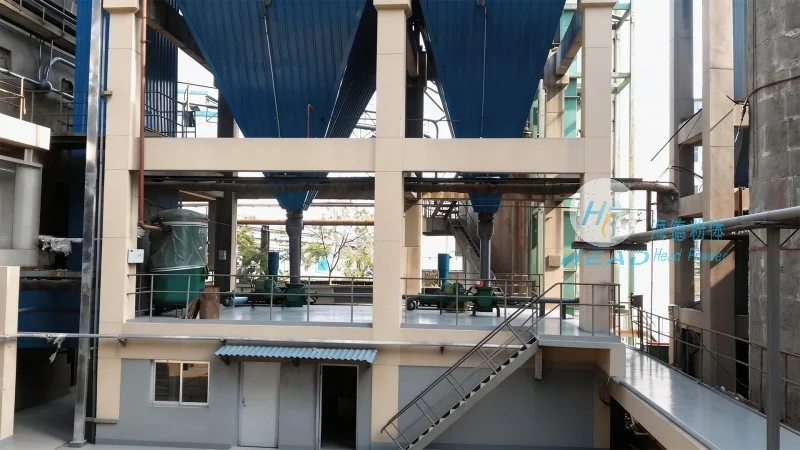
Pneumatic conveying, or air conveying, is a method used to transport bulk materials like grains, powders, and granules through a pipeline using air or gas as the conveying medium. Unlike mechanical systems that rely on belts, buckets, or screws, pneumatic systems utilize pressure differentials to move materials. This technology is widely adopted in the agricultural and food processing sectors due to its efficiency and adaptability.
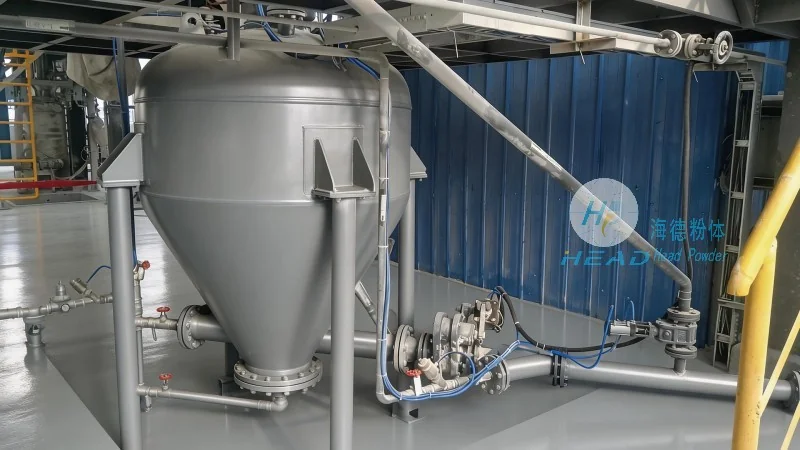
A typical soybean grain pneumatic conveying system consists of several critical components that work in tandem to ensure smooth material transport. These include the material hopper, which holds the soybean grain; the air compressor or blower, which generates the necessary air pressure; the conveying line, where the material is propelled; and the receiver or discharge hopper, where the material is deposited. Each component plays a vital role in maintaining the system's efficiency and reliability.
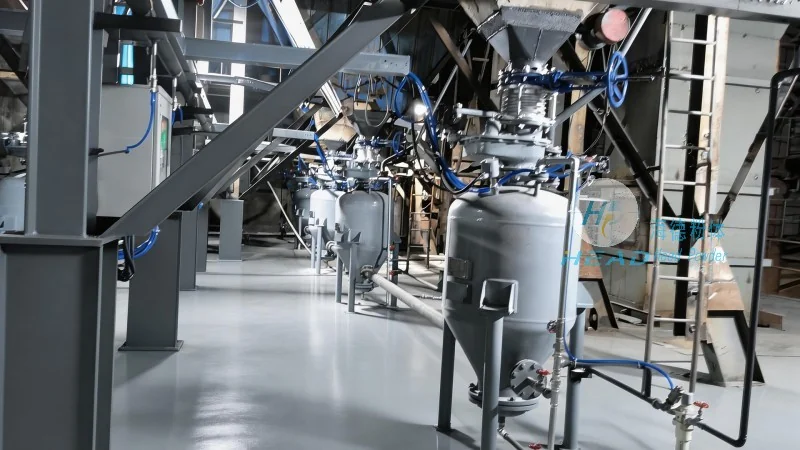
The operation of a soybean grain pneumatic conveying system begins with the material being fed into the hopper. The air compressor then generates a flow of air, which is introduced into the conveying line. As the air flows through the line, it creates a pressure differential that lifts and propels the soybean grain particles along the pipeline. The velocity of the air and the size of the particles determine the optimal conveying velocity, ensuring that the material is transported without excessive wear or degradation. The system typically operates under either positive or negative pressure, depending on the specific requirements of the application.
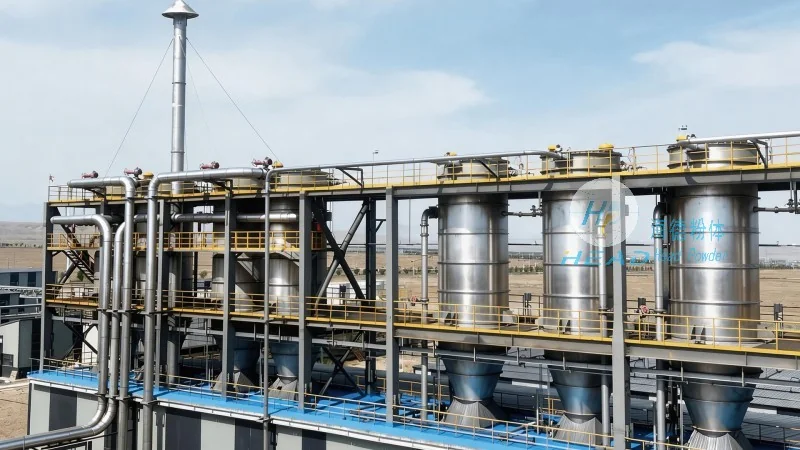
Implementing a pneumatic conveying system for soybean grain offers several advantages over traditional mechanical methods. Firstly, it eliminates the need for multiple transfer points, reducing the risk of contamination and material loss. Secondly, the system is highly flexible, allowing for changes in the conveying route without major modifications. Thirdly, it provides a hygienic and enclosed environment, which is essential for food-grade applications. Additionally, pneumatic systems can handle a wide range of particle sizes and moisture contents, making them suitable for various processing stages in the soybean industry.
Soybean grain pneumatic conveying systems are widely used in various stages of soybean processing, from storage and handling to processing and packaging. In storage facilities, the system can efficiently transfer soybean grain from silos to processing plants. During processing, it aids in moving raw soybeans to grinding and pressing equipment. Finally, in packaging operations, the system can deliver the processed soybean products to packaging lines. The versatility of pneumatic conveying makes it an indispensable tool in modern soybean processing facilities.
Pneumatic conveying systems, especially for soybean grain, represent a sophisticated and efficient solution for bulk material handling. By understanding the working principles and components of such systems, industries can optimize their operations, enhance productivity, and ensure the quality of their products. Shandong HeadPowder Engineering Co., Ltd. specializes in designing and manufacturing customized pneumatic conveying systems tailored to the specific needs of soybean processing facilities, providing reliable and efficient solutions for bulk material transport.

 Shandong Headpowder Engineering Co., Ltd.
 156-6277-7102(Manager Zhang)
  0531-83386006
  Zhangqiu District, Jinan City, Shandong Province, China
telephone
WeChatconsult
top