With more than 10‑year industry experience, Shandong Headpowder delivers full‑service pneumatic‑conveying systems and blowers, undertaking nationwide turn‑key powder‑handling projects.
Heavy powder pneumatic conveying systems are essential for efficient material handling in various industrial applications. Understanding the core structures of these systems is crucial for optimizing performance and ensuring reliable operation. This article provides an overview of the primary components and configurations that constitute a robust heavy powder pneumatic conveying system, with a focus on the key structural elements that define their functionality.
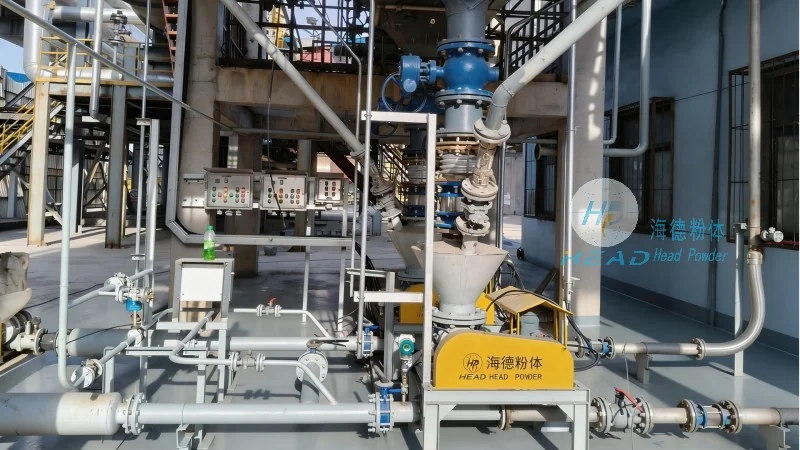
The foundation of any heavy powder pneumatic conveying system lies in its integrated components, each playing a vital role in the material transport process. These components work in harmony to ensure the safe and efficient movement of bulk materials. The main structural elements typically include the conveying pipeline, feeding equipment, separation and cleaning devices, and control systems. Each of these components is designed to address specific operational requirements and material characteristics.
The pipeline system is the backbone of the heavy powder pneumatic conveying structure, responsible for transporting the material from the source to the destination. It consists of a network of pipes, fittings, and valves that create a sealed pathway for the material and air. The choice of pipeline material, such as stainless steel or carbon steel, depends on the material being conveyed and the environmental conditions. For heavy powders, robust and corrosion-resistant materials are often preferred to prevent material buildup and ensure long-term durability. The pipeline design also considers factors like pressure drop, flow rate, and the need for bends or expansions to accommodate changes in direction or elevation.
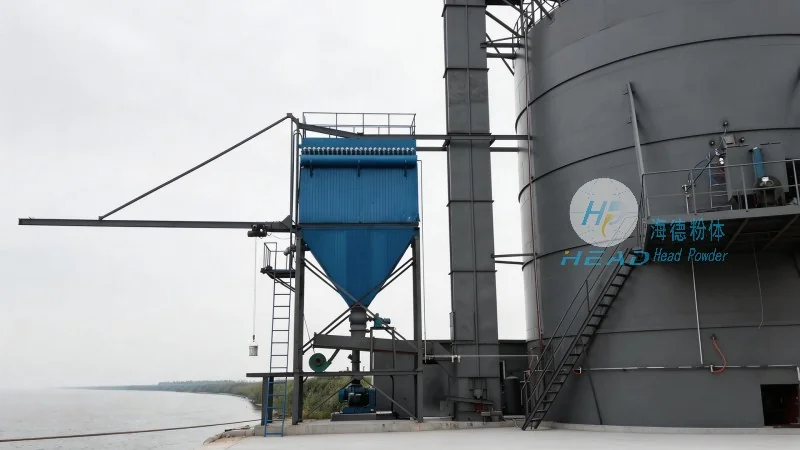
Feeding equipment is critical for introducing the heavy powder into the conveying system at a controlled rate. This component ensures that the material is introduced smoothly and without blockages, which can lead to system inefficiencies or damage. Common feeding devices include rotary valves, screw feeders, and pressure vessels. These devices are designed to handle the specific characteristics of heavy powders, such as high density or abrasive properties. The feeding equipment is often integrated with metering mechanisms to maintain consistent material flow rates, which is essential for maintaining system performance and preventing overloading or underloading of the conveying pipeline.
Separation and cleaning systems are essential for maintaining the efficiency and longevity of the heavy powder pneumatic conveying system. These components are responsible for separating the conveyed material from the air and removing any debris or contaminants that may accumulate in the system. The primary separation equipment includes cyclone separators, bag filters, and cartridge filters. Cyclone separators use centrifugal force to separate particles from the air stream, while bag filters and cartridge filters rely on filtration media to trap fine particles. Regular cleaning of these components is necessary to prevent clogging and ensure optimal performance. The design of the separation system is tailored to the specific particle size and density of the heavy powder, ensuring effective separation and minimal loss of material.
Control and monitoring systems provide the necessary oversight to manage the operation of the heavy powder pneumatic conveying system. These systems include sensors, controllers, and indicators that monitor key parameters such as pressure, flow rate, and temperature. The control system ensures that the system operates within safe and efficient parameters, automatically adjusting the air flow or feeding rate as needed. Real-time monitoring allows operators to detect and address issues promptly, preventing system downtime and reducing maintenance costs. The integration of advanced control technologies, such as programmable logic controllers (PLCs) and digital control systems, enhances the system's responsiveness and reliability.
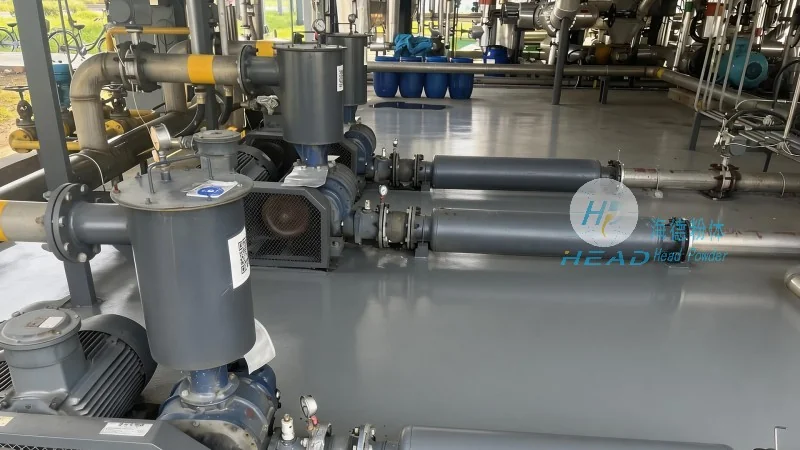
Heavy powder pneumatic conveying systems can be categorized into positive and negative pressure systems. Positive pressure systems use a blower to generate air pressure that pushes the material through the pipeline, while negative pressure systems use a vacuum to draw the material into the system. The choice between these systems depends on the application requirements, such as the distance to be covered or the material's properties. Customization of the system structure is also common, with manufacturers like Shandong HeadPowder Engineering Co., Ltd. offering tailored solutions to meet specific client needs. These customized systems may include additional components like surge hoppers, dust collection units, or specialized valves to address unique operational challenges.
In summary, the main structures of heavy powder pneumatic conveying systems are composed of several interrelated components that work together to achieve efficient material transport. The pipeline system, feeding equipment, separation systems, and control mechanisms are all critical to the system's performance. Understanding these structural elements and their functions is essential for selecting, installing, and maintaining a reliable heavy powder pneumatic conveying system. With proper design and maintenance, these systems can provide long-term benefits in terms of operational efficiency and cost savings for industrial applications.

 Shandong Headpowder Engineering Co., Ltd.
 156-6277-7102(Manager Zhang)
  0531-83386006
  Zhangqiu District, Jinan City, Shandong Province, China
telephone
WeChatconsult
top