With more than 10‑year industry experience, Shandong Headpowder delivers full‑service pneumatic‑conveying systems and blowers, undertaking nationwide turn‑key powder‑handling projects.
Calcium oxide, commonly known as quicklime, is a versatile chemical widely used in various industrial processes. The efficient and safe transportation of calcium oxide from production sites to processing facilities is crucial for maintaining operational efficiency and product quality. Pneumatic conveying systems have emerged as a preferred method for handling calcium oxide due to their ability to handle fine powders and minimize dust exposure. This article explores the different types of calcium oxide pneumatic conveying systems, their key features, and the typical application ranges where they are most effective, with a focus on solutions provided by Shandong HeadPowder Engineering Co., Ltd. (headpowder).
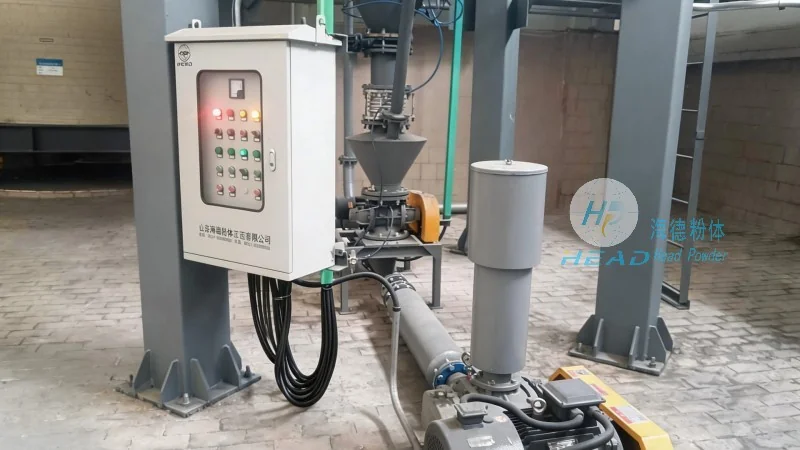
There are several types of pneumatic conveying systems used for calcium oxide, each with distinct characteristics and operational principles. The primary categories include pressure, vacuum, and mixed systems. Pressure systems utilize compressed air to push the material through a pipeline, while vacuum systems use suction to draw the material. Mixed systems combine both pressure and vacuum principles to achieve optimal conveying performance.
Within these categories, specific designs such as dilute phase and dense phase pneumatic conveyors are commonly employed. Dilute phase systems are suitable for long-distance and high-volume applications, where the material is conveyed in a low concentration of particles suspended in air. Dense phase systems, on the other hand, operate at higher particle concentrations, providing better control over material flow and reducing the risk of clogging in the pipeline.
Effective calcium oxide pneumatic conveying systems exhibit several important features that enhance their performance and reliability. One critical feature is the ability to handle fine, abrasive powders without causing excessive wear to the equipment. This is achieved through the use of high-quality materials for the conveying pipeline and components, such as stainless steel or specialized coatings that resist corrosion and abrasion.
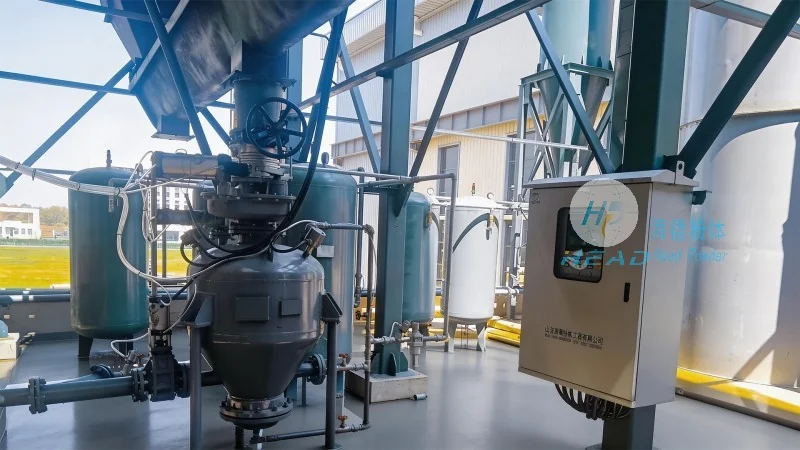
Another important feature is the system's capacity to minimize dust generation and environmental impact. Advanced filtration and dust collection systems are integrated into the design to ensure compliance with environmental regulations and maintain a safe working environment. Additionally, the systems are designed for easy maintenance and cleaning, with features like self-cleaning filters and accessible components that reduce downtime and operational costs.
Energy efficiency is also a key consideration in modern calcium oxide pneumatic conveying systems. Optimized air flow rates and pressure control mechanisms help reduce energy consumption while maintaining the required conveying performance. This not only lowers operational costs but also contributes to a more sustainable industrial operation.
Calcium oxide pneumatic conveying systems are widely used across various industries due to their adaptability and efficiency. In the construction industry, calcium oxide is used as a raw material for cement production and as a component in concrete mixtures. Pneumatic conveying systems are ideal for transporting calcium oxide from storage silos to cement production lines, ensuring a continuous and reliable supply of the material.
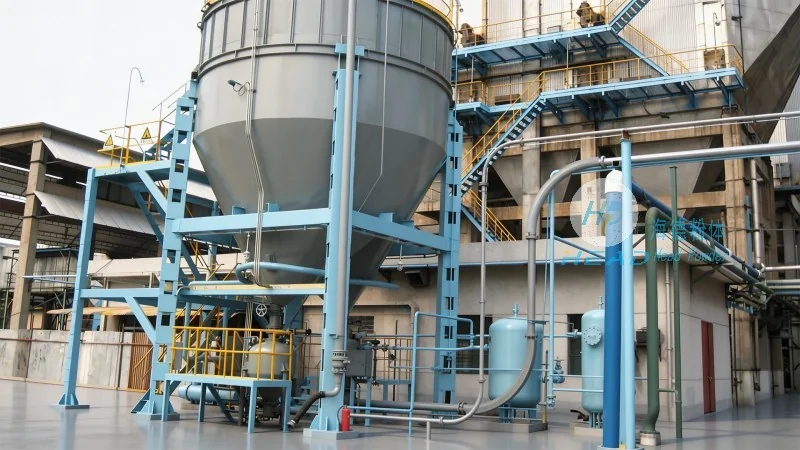
In the chemical industry, calcium oxide is used in the production of calcium carbonate, sodium carbonate, and other chemical products. The systems are employed to transport calcium oxide from reaction vessels to processing units, where it is further processed into various chemical compounds. This application requires precise control over the material flow to maintain product consistency and quality.
In the environmental sector, calcium oxide is utilized for flue gas desulfurization and as a neutralizing agent in waste treatment processes. Pneumatic conveying systems are used to transport calcium oxide to scrubbers and treatment facilities, where it helps remove sulfur dioxide and other pollutants from industrial emissions. The ability to handle large volumes of material efficiently makes these systems suitable for large-scale environmental applications.
In the food and pharmaceutical industries, calcium oxide is used as a food additive and in the production of certain pharmaceutical compounds. Pneumatic conveying systems are employed to transport calcium oxide in a controlled and hygienic manner, ensuring that the material remains free from contamination and meets the stringent quality standards required for these applications.

 Shandong Headpowder Engineering Co., Ltd.
 156-6277-7102(Manager Zhang)
  0531-83386006
  Zhangqiu District, Jinan City, Shandong Province, China
telephone
WeChatconsult
top