With more than 10‑year industry experience, Shandong Headpowder delivers full‑service pneumatic‑conveying systems and blowers, undertaking nationwide turn‑key powder‑handling projects.
HeadPowder, a leading engineering company based in Shandong, China, specializes in the design and implementation of pneumatic conveying systems tailored for cement transport. This article explores the various types of pneumatic conveying systems used in the cement industry and their practical applications, providing insights into how these technologies enhance efficiency and reliability in cement handling processes.
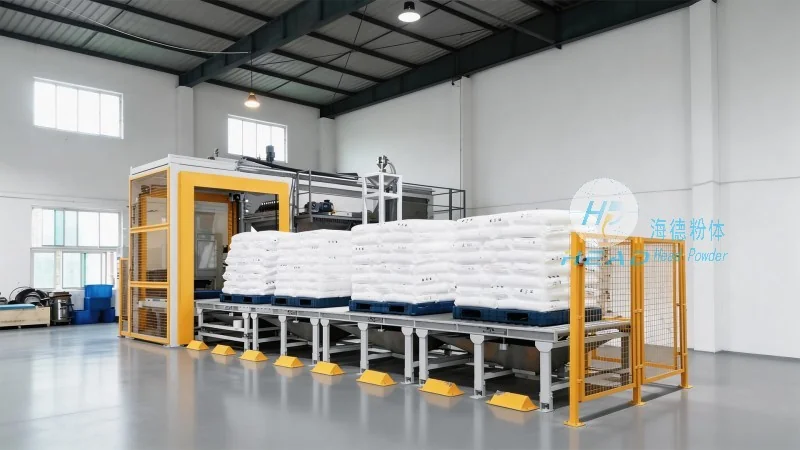
There are primarily two main categories of pneumatic conveying systems utilized in cement handling: positive pressure systems and negative pressure systems. Each type operates on distinct principles and is suited to different operational requirements and material characteristics.
Positive pressure systems, also known as pressure conveying systems, operate by blowing air or gas into the conveying line to move the material. This method is effective for transporting materials over longer distances and can handle a wide range of particle sizes and moisture content. The system typically includes a blower or compressor at the inlet, which generates the necessary pressure to propel the material through the pipeline. Positive pressure systems are often preferred for applications where the material needs to be transported from a central storage to multiple destinations or for long-distance transport.
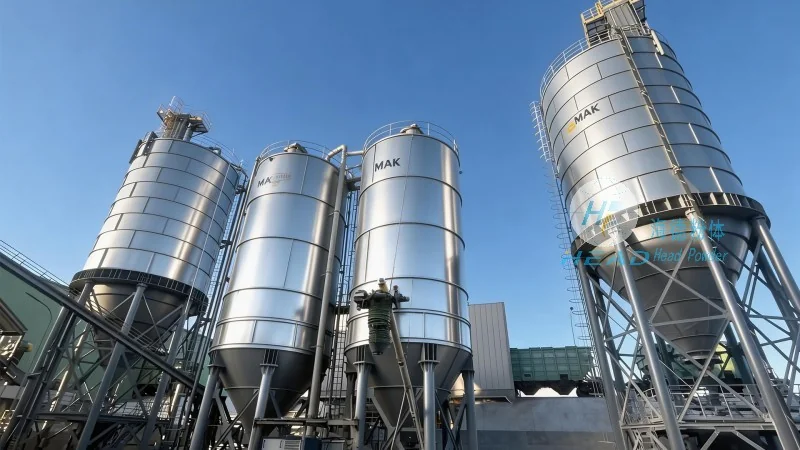
Negative pressure systems, or vacuum conveying systems, operate by creating a vacuum at the inlet to draw the material into the conveying line. The material is then transported to the outlet where the pressure is higher, causing the material to be discharged. This type of system is commonly used for short-distance transport, handling fine powders, and when the material needs to be transported from multiple sources to a central location. Negative pressure systems are generally more suitable for applications involving dust control and where the material is sensitive to high pressure or temperature.
Positive pressure pneumatic conveying systems are widely used in cement plants for transporting raw materials such as limestone, clay, and coal from storage silos to the grinding mills. The high pressure and ability to handle abrasive materials make this system ideal for these applications. Additionally, positive pressure systems are employed in the transportation of finished cement products from the storage silos to the loading areas, ensuring efficient and continuous supply to customers.
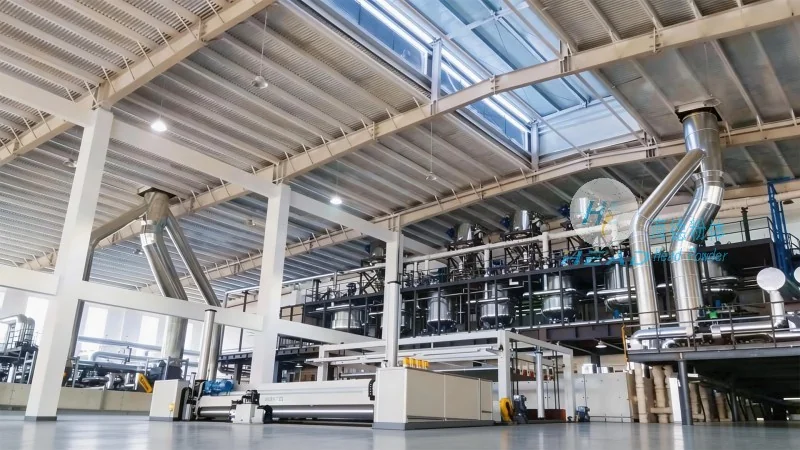
Negative pressure systems are often utilized in the cement industry for handling fine powders, such as cement and fly ash, from storage bins to the blending or packaging areas. The vacuum operation helps in maintaining a clean and dust-free environment, which is crucial for maintaining product quality and compliance with environmental regulations. These systems are also used in the recovery of materials from dust collection systems, reducing waste and improving overall material utilization.
Both positive and negative pressure pneumatic conveying systems offer several advantages over traditional mechanical conveying methods. These include reduced equipment wear and tear, as there are no moving parts in direct contact with the material, leading to lower maintenance costs and longer equipment lifespan. Additionally, pneumatic systems provide a more flexible and scalable solution, allowing for easy expansion or modification of the conveying network as production needs change.
The systems also contribute to improved safety and operational efficiency. By eliminating the need for manual handling of bulk materials, the risk of accidents and exposure to hazardous materials is minimized. Furthermore, the continuous and automated operation of pneumatic conveying systems ensures consistent material flow, reducing downtime and enhancing overall productivity in cement plants.
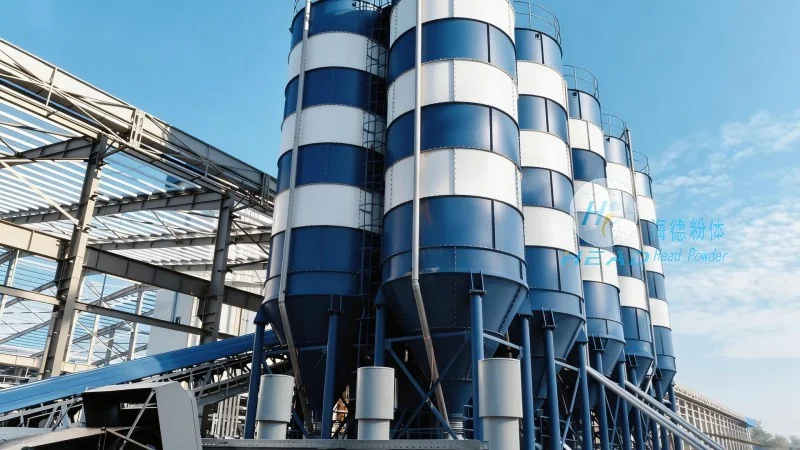
HeadPowder Engineering Co., Ltd., headquartered in Shandong, China, is a professional engineering company dedicated to providing comprehensive solutions for material handling and conveying systems. With years of experience in the cement industry, HeadPowder specializes in the design, manufacturing, and installation of pneumatic conveying systems tailored to the specific needs of cement manufacturers. The company's team of experts works closely with clients to assess their operational requirements, material characteristics, and site conditions to develop customized solutions that optimize performance and reduce operational costs.
HeadPowder's commitment to quality and innovation is reflected in its use of advanced technology and adherence to international standards in the design and implementation of its systems. The company provides comprehensive after-sales support, including maintenance, repair, and technical assistance, ensuring that clients receive reliable and long-lasting solutions for their cement transport needs.

 Shandong Headpowder Engineering Co., Ltd.
 156-6277-7102(Manager Zhang)
  0531-83386006
  Zhangqiu District, Jinan City, Shandong Province, China
telephone
WeChatconsult
top