

Fly Ash Pneumatic Conveying Technology: In-Depth Analysis of Negative Pressure and Positive Pressure
The management of fly ash, a byproduct of coal combustion in power plants, requires efficient and reliable transport solutions. Pneumatic conveying technology has emerged as a critical method for handling fly ash, offering advantages such as reduced labor costs, minimized environmental impact, and enhanced safety. Among the two primary approaches—negative pressure and positive pressure systems—each presents distinct characteristics and applications. This article delves into the technical nuances of both systems, exploring their design principles, operational advantages, and real-world implementations.
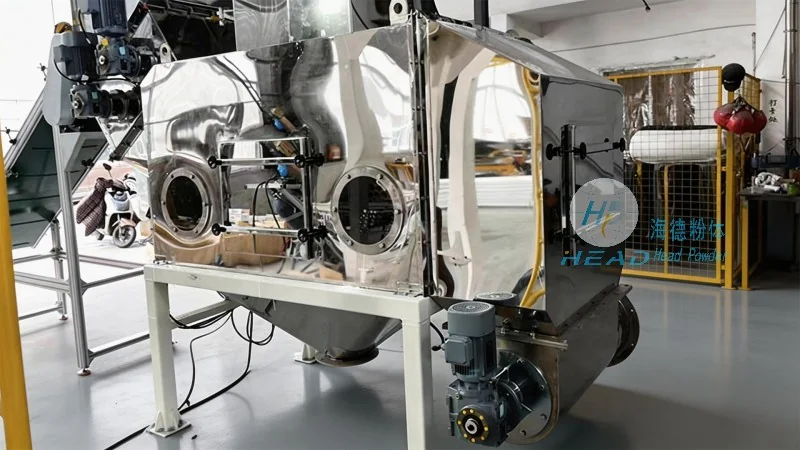
The Role of Pneumatic Conveying in Fly Ash Handling
Pneumatic conveying systems are widely adopted in the power generation industry due to their ability to transport fly ash over long distances with minimal disruption to the environment. Unlike traditional methods like trucks or conveyor belts, pneumatic systems utilize air to move material, reducing the risk of dust emissions and contamination. For companies like Shandong HeadPowder Engineering Co., Ltd. (referred to as HeadPowder), specializing in engineering solutions for fly ash management, understanding these systems is paramount to delivering effective solutions to clients.
Negative Pressure Pneumatic Conveying Systems
Negative pressure systems, also known as suction or vacuum systems, operate by creating a low-pressure environment at the material inlet. This draws the fly ash into the pipeline using a vacuum pump. The key components include a vacuum source (e.g., a rotary vane pump), a material feed hopper, and a pipeline network. The system is particularly effective for short to medium-distance transport, where the material is light and the distance is manageable. One of the primary advantages is the ability to handle fine particles without clogging, as the vacuum ensures consistent material flow. However, negative pressure systems have limitations, such as lower conveying velocities and the need for careful sealing to prevent air leakage, which can affect efficiency.
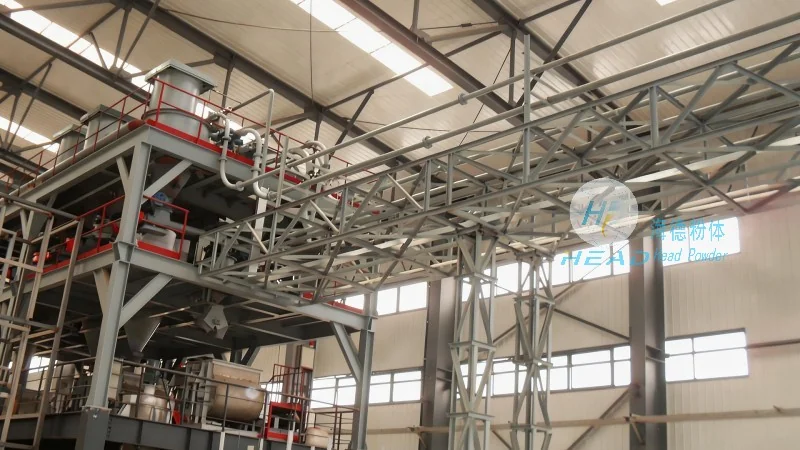
Positive Pressure Pneumatic Conveying Systems
In contrast, positive pressure systems generate high-pressure air that pushes the fly ash through the pipeline. These systems use a blower or compressor to force air and material through the line, making them suitable for longer distances and higher material loads. The design typically includes a material feed hopper, a pressure vessel, and a pipeline with check valves to prevent backflow. Positive pressure systems are more robust and can handle abrasive materials, making them ideal for industrial applications where reliability is critical. However, they require more maintenance due to the higher pressure and potential for wear on components.
Comparative Analysis of Negative vs. Positive Pressure Systems
When selecting a pneumatic conveying system for fly ash, the choice between negative and positive pressure depends on several factors, including distance, material characteristics, and operational requirements. Negative pressure systems are generally more cost-effective for short distances and low-volume applications, while positive pressure systems are preferred for long-distance or high-volume transport. For instance, in a power plant with multiple ash storage silos, a combination of both systems might be employed: negative pressure for short-range transport from the boiler to a central hopper, and positive pressure for long-range transport to disposal sites.
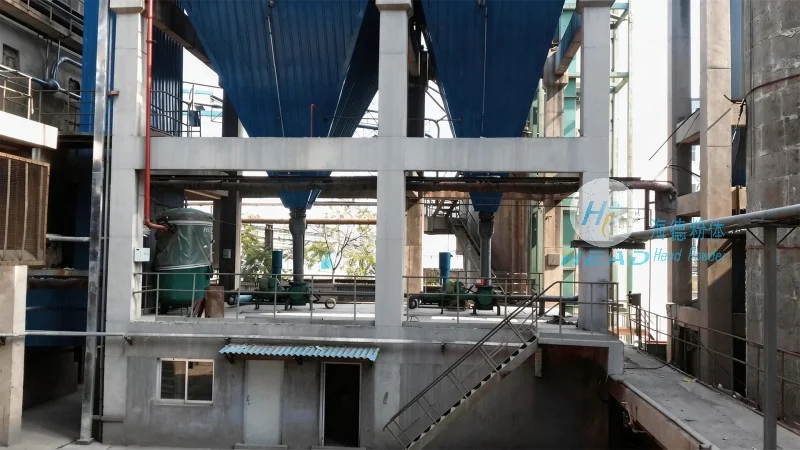
Application Scenarios and Practical Considerations
Real-world applications of these systems vary based on the specific needs of the power plant. For example, a thermal power station in China might use a negative pressure system to transport fly ash from the boiler to an on-site storage facility, leveraging its efficiency for short distances. Conversely, a plant with multiple remote disposal sites might opt for a positive pressure system to ensure reliable transport over longer distances. Practical considerations include the material's moisture content, particle size distribution, and the presence of corrosive substances, all of which influence system design and maintenance.
As a leading provider of engineering solutions, Shandong HeadPowder Engineering Co., Ltd. specializes in designing and implementing customized pneumatic conveying systems tailored to the unique needs of power generation facilities. With a focus on innovation and reliability, HeadPowder's expertise ensures that clients receive efficient, cost-effective solutions that enhance operational performance and environmental compliance. The company's commitment to quality and customer satisfaction has established it as a trusted partner in the fly ash management industry.