With more than 10‑year industry experience, Shandong Headpowder delivers full‑service pneumatic‑conveying systems and blowers, undertaking nationwide turn‑key powder‑handling projects.
HeadPowder, a leading engineering firm based in Shandong, China, specializes in advanced material handling solutions. This article provides an in-depth analysis of pneumatic conveying technologies specifically designed for rice husk ash, focusing on the comparison between positive and negative pressure modes. The discussion aims to help industry professionals understand the technical nuances, operational advantages, and practical considerations when selecting the appropriate conveying system for rice husk ash applications.
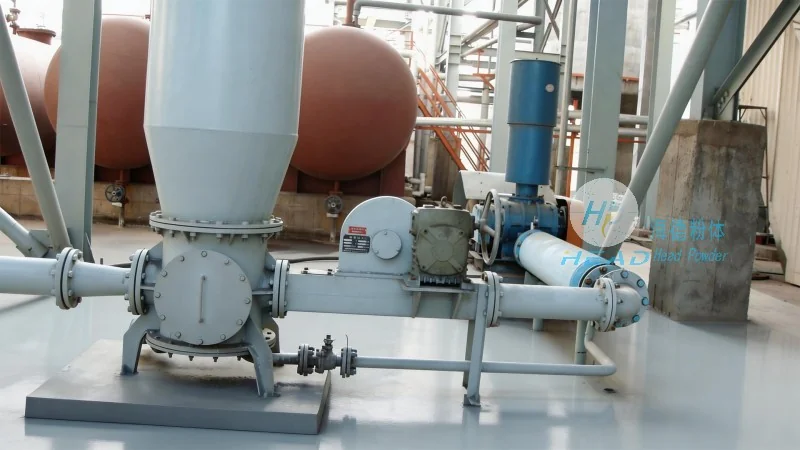
Pneumatic conveying is a widely used method for transporting bulk materials like rice husk ash, which is a byproduct of rice processing. This technology involves the use of air to move material through a pipeline system. The choice between positive and negative pressure modes significantly impacts the efficiency, cost, and suitability of the conveying process. Understanding these modes is crucial for optimizing material handling operations in rice husk ash processing facilities.
Positive pressure conveying operates by blowing air into the conveying line, creating a pressure higher than the ambient air pressure. This method is particularly effective for transporting materials over longer distances or through complex piping networks. The primary advantage of positive pressure systems is their ability to handle a wide range of material characteristics, including those with high moisture content or abrasive properties. In the context of rice husk ash, positive pressure systems can efficiently transport ash from storage silos to processing units or for off-site disposal. The system typically includes a blower, a hopper for material loading, and a pipeline network that ensures continuous material flow. However, it is important to note that positive pressure systems may require more robust equipment and higher energy consumption compared to negative pressure alternatives.
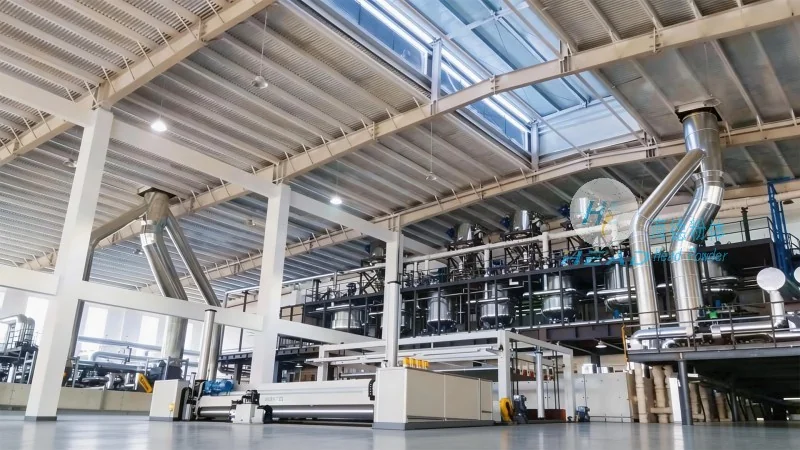
Negative pressure conveying, also known as vacuum conveying, works by creating a vacuum in the conveying line, which draws material from the source into the system. This mode is often preferred for shorter conveying distances and for handling materials that are more sensitive to air exposure or contamination. For rice husk ash, negative pressure systems are suitable for transporting ash from collection points to processing equipment, especially when the material is being transferred from open or dusty environments. The vacuum system includes a vacuum pump, a collection hopper, and a pipeline that pulls material into the system. One key benefit of negative pressure is its lower energy consumption and reduced noise levels compared to positive pressure systems. However, it may have limitations in handling very fine or highly abrasive materials, as the vacuum can sometimes cause material degradation or blockages if not properly managed.
When selecting between positive and negative pressure pneumatic conveying systems for rice husk ash, several factors must be considered. The distance and layout of the conveying route are critical. Longer distances and complex networks generally favor positive pressure systems due to their higher pressure capabilities. Conversely, shorter distances and simpler layouts may allow for the use of negative pressure systems, which are more energy-efficient. Material characteristics also play a significant role. If the rice husk ash is fine, has high moisture content, or is abrasive, positive pressure systems may offer better performance and durability. Environmental factors, such as the need to minimize dust emissions or control air quality, can also influence the choice. Positive pressure systems may require additional filtration and dust control measures to comply with environmental regulations, while negative pressure systems inherently draw material into the system, reducing external dust dispersion.
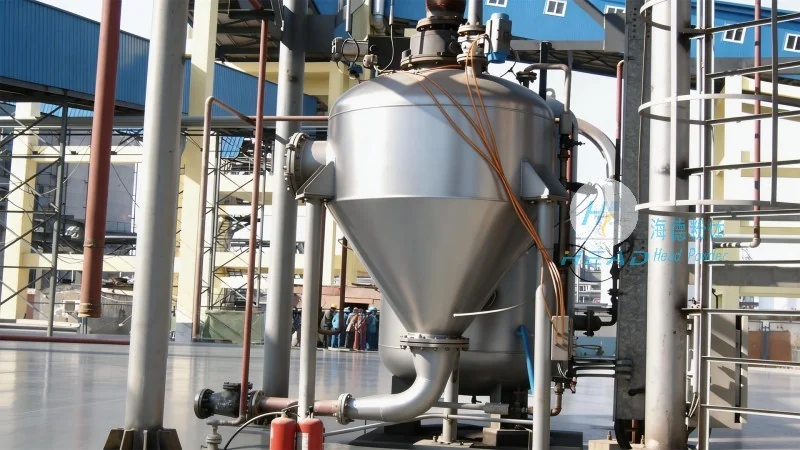
Both positive and negative pressure pneumatic conveying modes offer distinct operational advantages. Positive pressure systems provide greater flexibility in terms of conveying distance and system complexity, making them suitable for large-scale industrial applications. They can handle high material throughput and maintain consistent flow rates, which is essential for continuous processing operations. However, the higher energy consumption and potential for increased maintenance due to the higher pressure and air flow rates are notable challenges. Negative pressure systems, on the other hand, are more energy-efficient and produce less noise, which can be advantageous in noise-sensitive environments. They also have lower initial costs and simpler maintenance requirements. The main challenges with negative pressure systems include the risk of material blockages and the need for careful system design to prevent air leaks and maintain vacuum levels. For rice husk ash, the choice between modes often depends on balancing these operational advantages against the specific requirements of the processing facility.
In conclusion, the selection of pneumatic conveying technology for rice husk ash depends on a careful evaluation of operational needs, material characteristics, and environmental considerations. Positive pressure systems are generally more suitable for long-distance, high-throughput applications with complex piping, while negative pressure systems are better suited for shorter distances and more sensitive material handling. HeadPowder, with its expertise in engineering and material handling solutions, offers tailored pneumatic conveying systems that can be optimized for rice husk ash applications. By understanding the technical differences and operational implications of both positive and negative pressure modes, industry professionals can make informed decisions to enhance efficiency, reduce costs, and ensure compliance with industry standards in rice husk ash processing.

 Shandong Headpowder Engineering Co., Ltd.
 156-6277-7102(Manager Zhang)
  0531-83386006
  Zhangqiu District, Jinan City, Shandong Province, China
telephone
WeChatconsult
top