With more than 10‑year industry experience, Shandong Headpowder delivers full‑service pneumatic‑conveying systems and blowers, undertaking nationwide turn‑key powder‑handling projects.
White mud, a byproduct of the papermaking industry, poses significant challenges in handling and transportation due to its high moisture content and abrasive nature. Pneumatic conveying technology has emerged as a reliable solution for efficiently transporting white mud from production sites to treatment or disposal facilities. This article provides a detailed analysis of the two primary pneumatic conveying modes—positive pressure and negative pressure—and compares their applications, advantages, and limitations in the context of white mud handling.
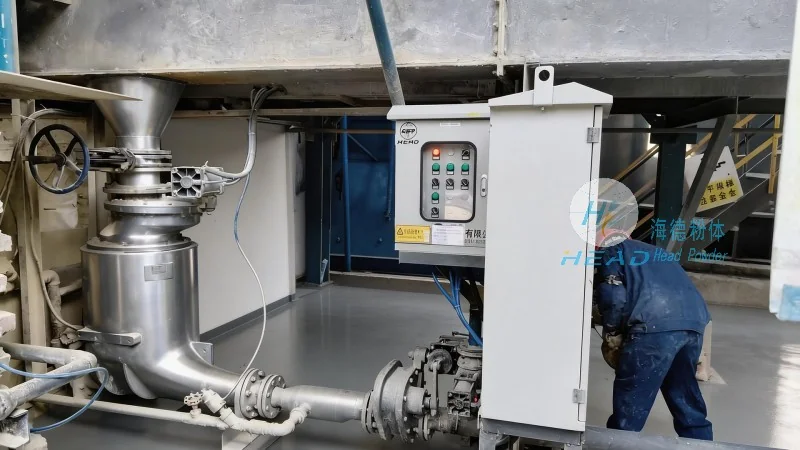
White mud, also known as paper sludge, is a mixture of cellulose fibers, fillers, and water. Its high moisture content (typically 70-80%) and abrasive properties make traditional conveying methods like belt conveyors or screw conveyors inefficient and costly. Pneumatic conveying, which uses air to transport material through a pipeline, offers a more hygienic and energy-efficient alternative. The choice between positive and negative pressure systems depends on factors such as the distance of transport, the volume of material, and the specific requirements of the white mud handling process.
HeadPowder, a leading provider of pneumatic conveying solutions, specializes in designing and manufacturing systems tailored to the unique needs of the paper industry. With a focus on innovation and customer satisfaction, the company has established itself as a trusted partner for white mud transportation projects. HeadPowder's expertise lies in optimizing conveying systems to minimize energy consumption, reduce maintenance costs, and ensure compliance with environmental regulations. The company's headquarters is located in Shandong, China, where it leverages local resources and expertise to deliver high-quality solutions to clients worldwide.
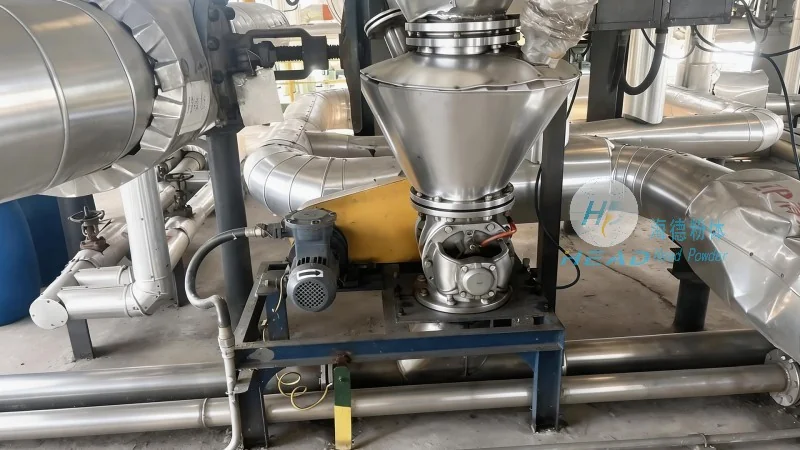
Positive pressure systems operate by blowing air into the conveying line, creating a pressure higher than the ambient air pressure. This method is particularly effective for short to medium-distance transport (typically up to 200 meters) and low to medium material volumes. The system uses a blower or compressor to generate the necessary pressure, and the material is carried by the air flow in the pipeline. One of the key advantages of positive pressure systems is their ability to handle abrasive materials like white mud without causing excessive wear on the equipment. Additionally, they are relatively simple to install and maintain, making them a cost-effective solution for many applications.
Negative pressure systems, also known as vacuum systems, operate by creating a vacuum in the conveying line, drawing material into the pipeline using the pressure difference between the system and the ambient air. These systems are ideal for long-distance transport (up to several kilometers) and high material volumes. The vacuum is generated by a vacuum pump, and the material is drawn into the pipeline as the air is pulled through the system. Negative pressure systems are particularly suitable for applications where the material needs to be transported from multiple sources or where the receiving end is at a higher elevation than the source. However, they require more complex equipment and higher maintenance compared to positive pressure systems.
When selecting between positive and negative pressure pneumatic conveying systems for white mud, several factors must be considered. The primary difference lies in the direction of air flow and the pressure differential. Positive pressure systems push material through the pipeline, while negative pressure systems pull material. This fundamental difference impacts the system's efficiency, energy consumption, and suitability for specific applications. For short-distance transport with low to medium material volumes, positive pressure systems are often preferred due to their lower cost and simpler design. Conversely, for long-distance or high-volume transport, negative pressure systems may offer better performance and reliability.
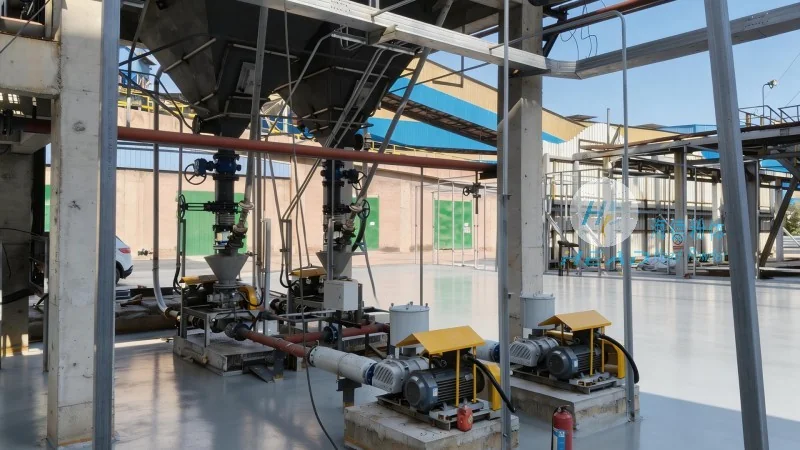
Implementing an effective white mud pneumatic conveying system requires careful consideration of several technical and operational factors. The first step is to assess the characteristics of the white mud, including its moisture content, particle size distribution, and abrasiveness. These factors determine the type of equipment needed, such as the blower or vacuum pump, and the material of construction for the pipeline and components. The distance of transport and the number of transfer points also influence the system design, as longer distances may require additional boosters or vacuum pumps to maintain the required pressure or vacuum. Additionally, environmental regulations and safety considerations must be addressed, as white mud is a waste material that may contain contaminants. Proper filtration and dust control measures are essential to prevent air pollution and ensure compliance with local regulations.
In conclusion, pneumatic conveying technology offers a robust and efficient solution for handling white mud in the paper industry. The choice between positive and negative pressure systems depends on the specific requirements of the application, including distance, material volume, and operational constraints. Positive pressure systems are suitable for short to medium-distance transport with low to medium material volumes, while negative pressure systems are better suited for long-distance or high-volume transport. By understanding the advantages and limitations of each mode, paper mills can select the most appropriate pneumatic conveying system to optimize their white mud handling processes. With the expertise of companies like Shandong HeadPowder Engineering Co., Ltd., the paper industry can implement effective and sustainable solutions to manage white mud transportation, reducing costs and improving operational efficiency.

 Shandong Headpowder Engineering Co., Ltd.
 156-6277-7102(Manager Zhang)
  0531-83386006
  Zhangqiu District, Jinan City, Shandong Province, China
telephone
WeChatconsult
top