With more than 10‑year industry experience, Shandong Headpowder delivers full‑service pneumatic‑conveying systems and blowers, undertaking nationwide turn‑key powder‑handling projects.
When it comes to efficiently transporting pepper and other similar bulk materials, pneumatic conveying systems offer a reliable and effective solution. As a leading manufacturer in the field, Shandong HeadPowder Engineering Co., Ltd. specializes in designing and supplying advanced pneumatic conveying systems tailored to the unique needs of the food processing industry. This article provides a technical analysis of the two primary conveying modes—positive pressure and negative pressure—exploring their mechanisms, advantages, and applications in pepper handling.
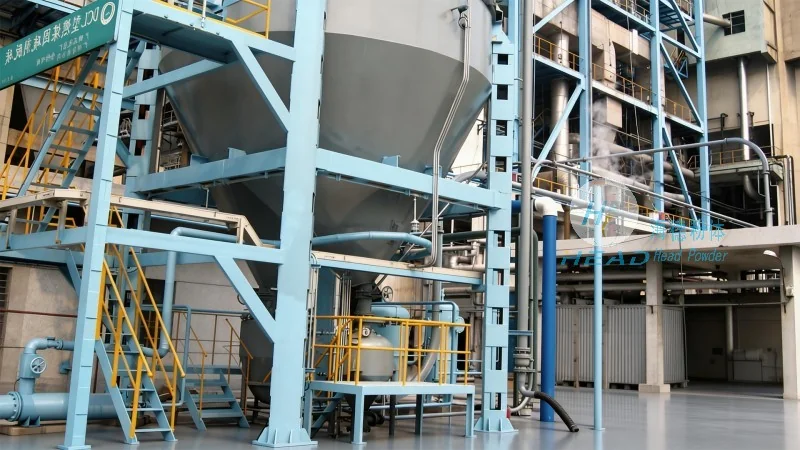
Pneumatic conveying systems utilize air or gas to transport bulk materials through a pipeline. The system consists of a hopper, a conveyor line, and a control unit. The choice of conveying mode depends on factors such as material properties, distance, and the desired level of control. Two main modes dominate the industry: positive pressure and negative pressure. Both have distinct characteristics that make them suitable for different scenarios.
Positive pressure conveying operates by blowing air or gas into the conveying line, creating a pressure higher than the ambient air pressure. This method pushes the material forward through the pipeline. The system typically includes a blower or a positive displacement compressor that generates the necessary pressure. A key advantage of positive pressure systems is their ability to handle abrasive materials like pepper without causing excessive wear on the equipment. Additionally, they can transport materials over longer distances and at higher capacities compared to negative pressure systems. The positive pressure mode is particularly effective for applications where the material needs to be conveyed from a central location to multiple destinations, as it allows for branching and distribution.
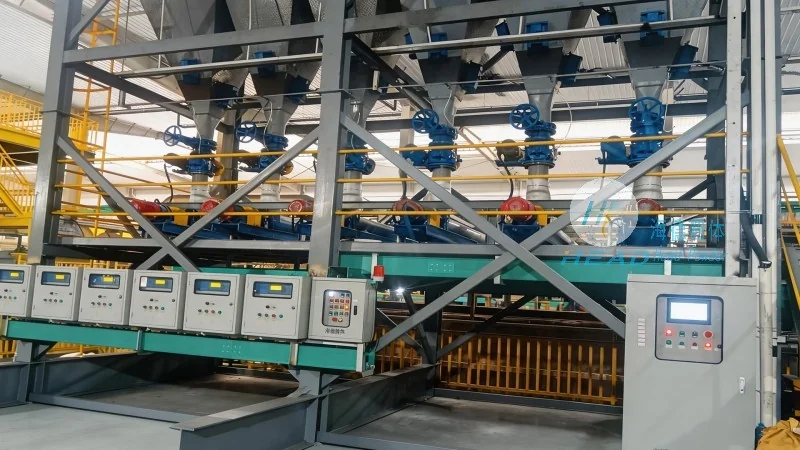
Negative pressure conveying, also known as suction conveying, works by creating a vacuum in the conveying line. The system draws material from the hopper into the pipeline using a vacuum pump or fan. This mode is generally more suitable for shorter distances and less abrasive materials. One of the main benefits of negative pressure systems is their lower energy consumption compared to positive pressure systems. They are also less likely to cause dust emissions during the conveying process, making them a preferred choice for applications where dust control is critical. However, negative pressure systems have limitations in terms of material handling capacity and distance. They are more prone to clogging and require more maintenance due to the higher risk of dust accumulation in the suction equipment.
When selecting between positive and negative pressure conveying for pepper handling, several factors must be considered. The first is the material's properties, including its density, moisture content, and tendency to clump or agglomerate. Pepper, being a dry and relatively light material, can be effectively handled by both modes, but the choice may depend on the specific processing requirements. For instance, if the pepper needs to be conveyed over a long distance or through multiple processing stages, a positive pressure system might be more appropriate due to its higher capacity and ability to handle abrasive particles. Conversely, if the application involves short-distance transport and stringent dust control, a negative pressure system could be preferred. Another critical factor is the system's energy efficiency and operational costs. Positive pressure systems generally consume more energy due to the need to maintain higher pressure, while negative pressure systems are more energy-efficient but may require more frequent maintenance. The initial investment and space requirements also play a role. Positive pressure systems often require larger blower units and more robust piping, whereas negative pressure systems may need more complex vacuum pumps and filtration systems.
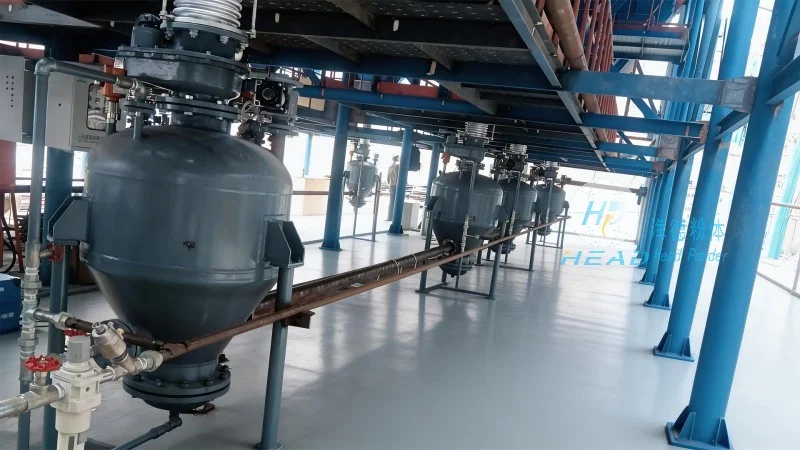
Both positive and negative pressure conveying systems find applications in various stages of pepper processing. For example, in a pepper grinding or crushing operation, a positive pressure system can be used to transport the raw pepper from storage silos to the processing line. The high capacity and ability to handle abrasive particles make it ideal for this stage. On the other hand, during the packaging phase, a negative pressure system might be employed to transfer the ground pepper into packaging machines, as it offers better dust control and lower noise levels. The choice of mode also depends on the plant layout and the number of processing lines. A large-scale pepper processing facility with multiple production lines might benefit from a combination of both systems, using positive pressure for bulk transport and negative pressure for fine material handling.
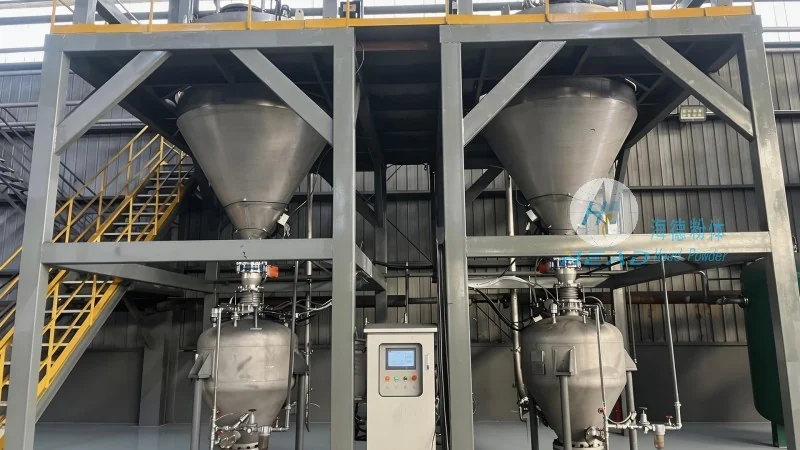
Positive pressure conveying offers several advantages, including higher conveying capacity, better control over material flow, and the ability to handle abrasive materials without excessive wear. It is also more suitable for long-distance transport and complex system designs. However, the main limitations include higher energy consumption, potential for dust emissions if not properly sealed, and the need for robust equipment to withstand higher pressures. Negative pressure conveying, while more energy-efficient and effective in dust control, has limitations in terms of conveying distance and capacity. It is more prone to clogging and requires more maintenance due to the risk of dust accumulation. Additionally, the vacuum pumps used in negative pressure systems can be more expensive and require regular cleaning to prevent blockages.
Choosing the right pneumatic conveying mode for pepper handling is crucial for optimizing efficiency, cost, and operational safety. Shandong HeadPowder Engineering Co., Ltd. provides comprehensive solutions tailored to the specific needs of pepper processing facilities. By understanding the mechanisms, advantages, and limitations of both positive and negative pressure systems, processors can make informed decisions that enhance their production capabilities and maintain product quality. Whether opting for the high-capacity, long-distance capabilities of positive pressure or the energy-efficient, dust-controlled benefits of negative pressure, the right system can significantly improve the overall performance of pepper handling operations.

 Shandong Headpowder Engineering Co., Ltd.
 156-6277-7102(Manager Zhang)
  0531-83386006
  Zhangqiu District, Jinan City, Shandong Province, China
telephone
WeChatconsult
top