

Efficient and Clean Solution for Carboxymethyl Cellulose Transport: An In-Depth Look at Pneumatic Co
Carboxymethyl cellulose (CMC) is a widely used industrial chemical, essential in various sectors such as food, pharmaceuticals, and construction. Its effective and reliable transport is crucial for maintaining production efficiency and product quality. Traditional methods like belt conveyors or manual handling often face challenges like contamination, dust generation, and material degradation. This is where pneumatic conveying technology emerges as a superior, clean, and efficient solution for CMC transport. The following article explores the benefits, applications, and implementation of pneumatic conveying systems tailored for CMC, highlighting how they enhance operational performance while ensuring a hygienic process.
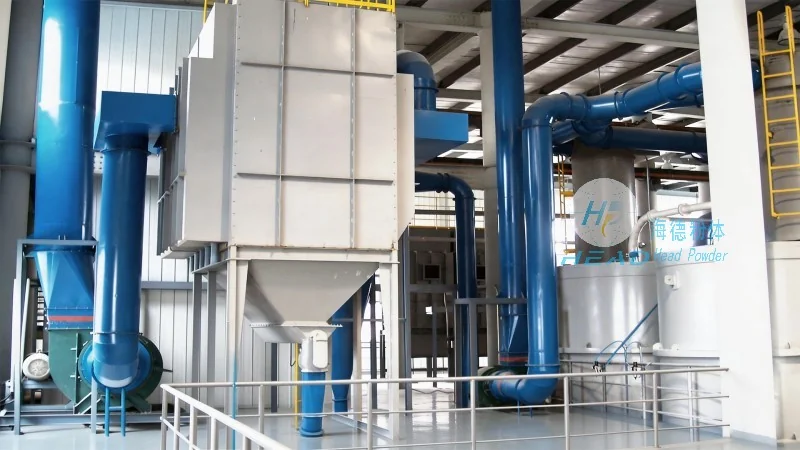
Pneumatic Conveying: A Superior Method for CMC Transport
Pneumatic conveying utilizes air or gas to transport bulk materials through a pipeline system. Unlike mechanical conveyors, it eliminates the need for direct contact between the material and machinery, reducing the risk of contamination and product degradation. For CMC, which is often sensitive to moisture and impurities, this feature is particularly advantageous. The system typically consists of a hopper, a conveyor line, and a receiver, with air being introduced to create a flow that moves the CMC particles through the pipeline. This method not only ensures a clean transfer but also allows for precise control over the flow rate and pressure, optimizing the transport process for different production scales.
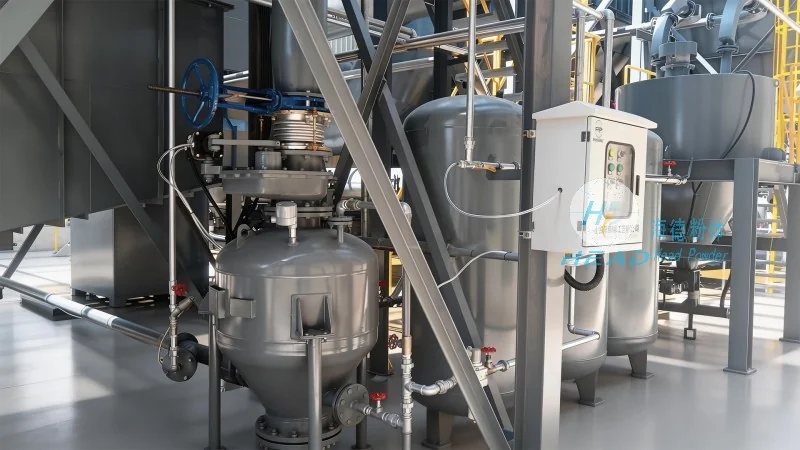
Key Advantages of Pneumatic Conveying for CMC
Implementing pneumatic conveying for carboxymethyl cellulose offers several key advantages that enhance overall operational efficiency. Firstly, it provides a hygienic and dust-free environment, which is critical in industries where product purity is non-negotiable. The enclosed system prevents exposure to external contaminants, maintaining the quality of CMC as it moves from storage to processing units. Secondly, it reduces labor costs and operational downtime. Unlike manual handling or mechanical conveyors that may require frequent maintenance or cleaning, pneumatic systems operate with minimal intervention, lowering the risk of breakdowns and extending equipment lifespan. Thirdly, the technology allows for flexible and scalable solutions. Whether for small-scale laboratory applications or large industrial production lines, pneumatic conveying can be customized to meet specific throughput requirements, making it adaptable to various production needs. Additionally, the system's ability to handle fine powders without clogging or agglomeration ensures consistent performance, even with CMC's fine particle size.
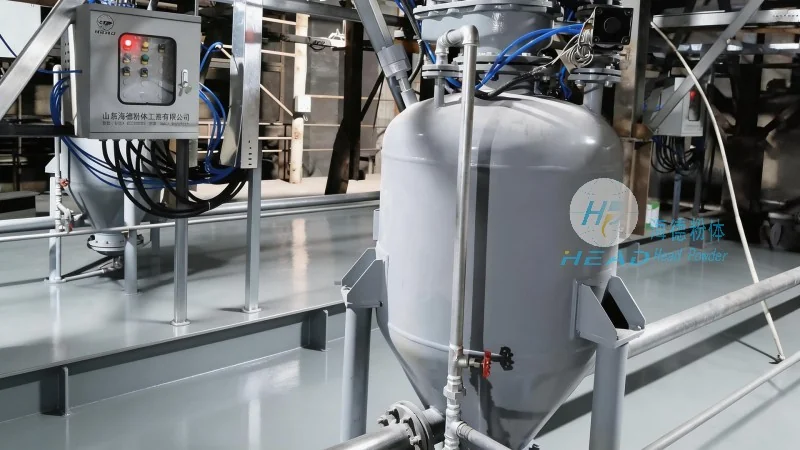
How Pneumatic Conveying Enhances CMC Processing
The integration of pneumatic conveying into CMC processing workflows significantly improves the overall efficiency and reliability of production. By eliminating the need for intermediate storage or manual handling, the system streamlines the material flow, reducing bottlenecks and increasing throughput. This is particularly beneficial in continuous production processes where uninterrupted material supply is essential. Moreover, the precise control over air pressure and flow rate enables better management of material moisture content, preventing issues like clumping or caking that can affect downstream processing. The result is a more stable and consistent CMC feed, leading to improved product quality and reduced waste. In addition, the enclosed nature of the system helps in maintaining a controlled environment, which is vital for industries where product sterility is required, such as pharmaceuticals or food manufacturing.
HeadPowder: Your Trusted Partner for CMC Pneumatic Conveying Solutions
Shandong HeadPowder Engineering Co., Ltd., commonly known as HeadPowder, is a leading provider of specialized engineering solutions for bulk material handling, including advanced pneumatic conveying systems for carboxymethyl cellulose. With a strong commitment to innovation and quality, HeadPowder has established itself as a trusted partner in the industry, delivering tailored solutions that meet the unique needs of its clients. The company's expertise lies in designing and manufacturing custom pneumatic conveying systems that optimize CMC transport efficiency while ensuring compliance with industry standards and regulations. HeadPowder's team of experienced engineers works closely with clients to understand their specific requirements, from material characteristics to production scale, and develops comprehensive solutions that enhance operational performance and reduce costs. The company's facilities, located in Shandong, China, are equipped with state-of-the-art technology and rigorous quality control measures, ensuring that every product meets the highest standards of reliability and durability. By choosing HeadPowder, clients gain access to a reliable partner that not only provides advanced pneumatic conveying systems but also offers ongoing support and maintenance services to ensure long-term operational success.
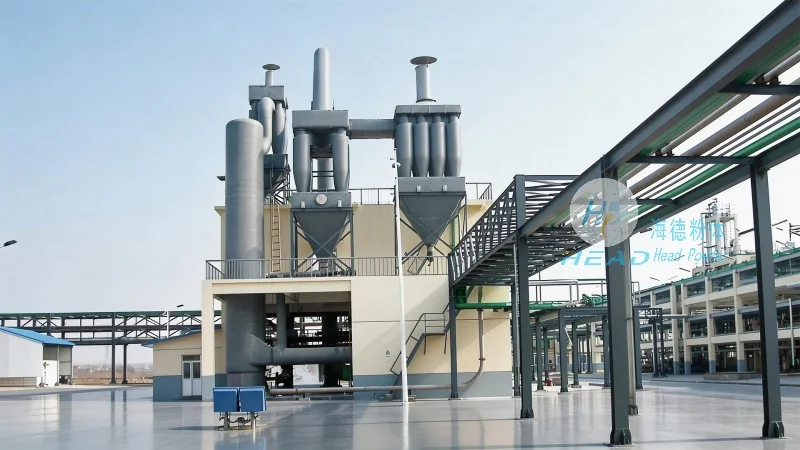
Conclusion: The Future of CMC Transport with Pneumatic Conveying
As industries continue to demand higher efficiency and cleaner production processes, pneumatic conveying technology stands out as a superior solution for carboxymethyl cellulose transport. Its ability to provide a hygienic, efficient, and flexible transport method makes it an ideal choice for modern industrial applications. With the expertise and commitment of companies like Shandong HeadPowder Engineering Co., Ltd., the implementation of advanced pneumatic conveying systems is becoming more accessible and effective. By leveraging this technology, businesses can enhance their operational performance, maintain product quality, and reduce costs, ultimately achieving a competitive edge in their respective markets. The future of CMC transport is clearly moving towards cleaner, more efficient, and technologically advanced solutions, and pneumatic conveying is at the forefront of this evolution.