With more than 10‑year industry experience, Shandong Headpowder delivers full‑service pneumatic‑conveying systems and blowers, undertaking nationwide turn‑key powder‑handling projects.
When it comes to transporting glass fiber powder, efficiency and cleanliness are paramount. Traditional methods often struggle with dust control and material loss, making them less suitable for modern industrial applications. Pneumatic conveying technology emerges as a superior alternative, offering a clean, efficient, and reliable way to handle this challenging material. This article delves into the principles, benefits, and practical applications of pneumatic conveying for glass fiber powder, highlighting how it can revolutionize material handling processes.
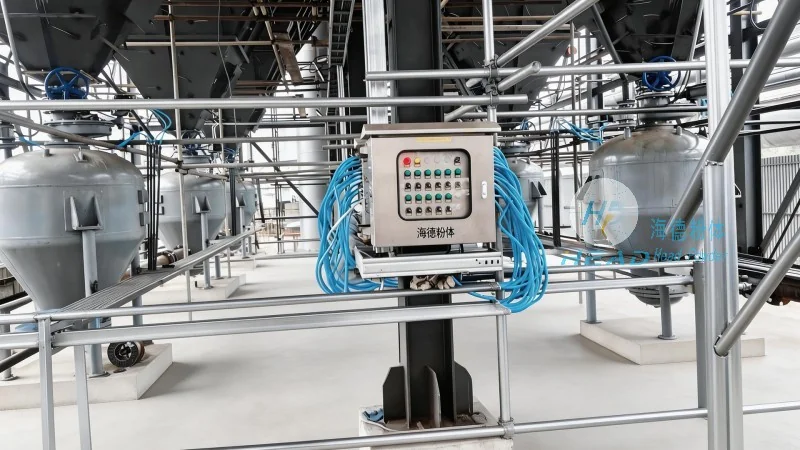
Pneumatic conveying uses air or gas to transport bulk materials through a pipeline system. In the case of glass fiber powder, this technology involves creating a flow of air that carries the powder particles from the source to the destination. There are two main types of pneumatic conveying systems: pressure and vacuum. Pressure systems use compressed air to push the material forward, while vacuum systems use a vacuum to pull the material through the line. Each type has its own advantages and is chosen based on the specific requirements of the application, such as the distance to be covered, the volume of material, and the need for dust control.
For glass fiber powder, pneumatic conveying offers several key advantages that make it an ideal choice for many industries. First, it provides a dust-free environment, which is crucial for maintaining product quality and ensuring workplace safety. Unlike traditional methods that can generate significant dust, pneumatic systems keep the material contained within the pipeline, reducing the risk of contamination and exposure to airborne particles. Second, it enhances material handling efficiency. By eliminating the need for manual handling or mechanical conveyors that can cause material degradation, pneumatic conveying ensures that the glass fiber powder remains in its original state, preserving its properties for downstream processes. Third, it offers flexibility in system design. Pneumatic conveying systems can be easily integrated with existing production lines and can be scaled up or down to meet changing production demands. This adaptability makes them suitable for a wide range of applications, from small-scale operations to large industrial facilities.
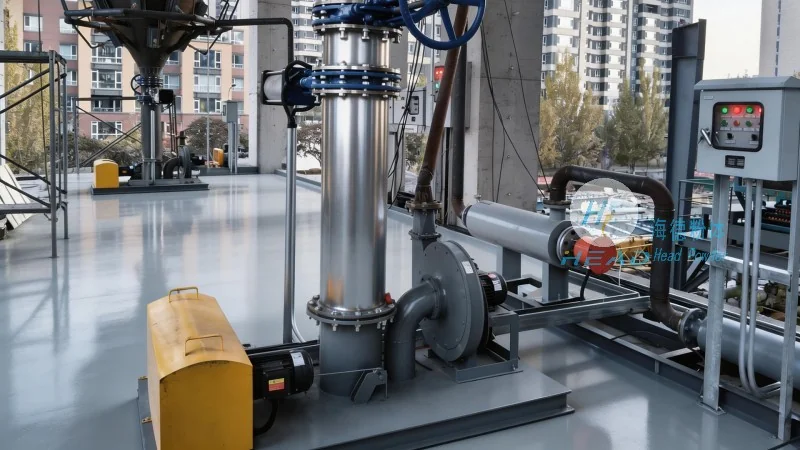
While pneumatic conveying offers numerous benefits, successful implementation requires careful consideration of several factors. The first consideration is the material characteristics of the glass fiber powder. Factors such as particle size, moisture content, and flowability can significantly impact the performance of the conveying system. For example, fine particles may require higher air velocities to ensure proper transport, while cohesive materials may need additional equipment, such as a feeder or a bin activator, to prevent blockages. The second consideration is the system design. The choice of pipeline material, diameter, and layout is critical to ensure efficient and reliable operation. Stainless steel is often preferred for its corrosion resistance and ability to handle abrasive materials like glass fiber powder. The third consideration is maintenance and operational costs. Pneumatic systems require regular maintenance to ensure optimal performance, including cleaning of filters, checking for air leaks, and replacing worn components. However, the long-term benefits of improved efficiency and reduced downtime often outweigh the initial investment and maintenance costs.
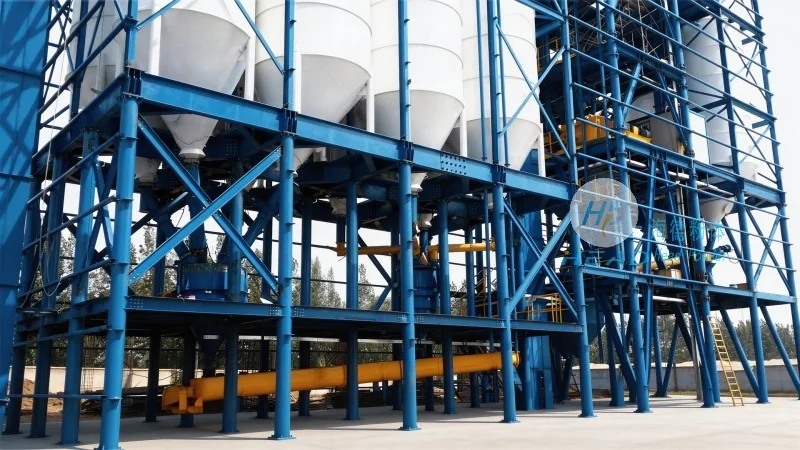
Shandong HeadPowder Engineering Co., Ltd., a leading provider of material handling solutions, specializes in designing and manufacturing pneumatic conveying systems tailored to the needs of glass fiber powder applications. With years of experience in the industry, HeadPowder has developed a range of solutions that address the unique challenges of handling this material. For instance, their systems are equipped with advanced filtration and dust control mechanisms to ensure a clean working environment. They also offer customizable options, allowing clients to adjust the system parameters to match their specific production requirements. A recent project for a glass fiber manufacturer in China demonstrated the effectiveness of HeadPowder's pneumatic conveying system. The system was installed to transport glass fiber powder from a storage silo to a production line, covering a distance of over 100 meters. The system successfully delivered the material with minimal loss and zero dust emissions, resulting in significant improvements in production efficiency and workplace safety. This case study highlights the practical benefits of pneumatic conveying and the expertise of HeadPowder in delivering effective solutions.
Pneumatic conveying technology represents a significant advancement in the handling of glass fiber powder, offering a clean, efficient, and reliable solution for modern industrial needs. As industries continue to prioritize sustainability and productivity, the adoption of such technologies will likely increase. Companies like Shandong HeadPowder Engineering Co., Ltd. play a crucial role in providing the expertise and equipment needed to implement these systems effectively. By leveraging pneumatic conveying, manufacturers can enhance their operational efficiency, reduce costs, and improve product quality, ultimately gaining a competitive edge in the market. The future of glass fiber powder transport is clearly moving towards more advanced and sustainable solutions, with pneumatic conveying at the forefront of this evolution.

 Shandong Headpowder Engineering Co., Ltd.
 156-6277-7102(Manager Zhang)
  0531-83386006
  Zhangqiu District, Jinan City, Shandong Province, China
telephone
WeChatconsult
top