With more than 10‑year industry experience, Shandong Headpowder delivers full‑service pneumatic‑conveying systems and blowers, undertaking nationwide turn‑key powder‑handling projects.
Alumina, a critical material in various industrial applications, demands efficient and reliable transport solutions. Pneumatic conveying technology has emerged as a sophisticated method for handling alumina particles, offering advantages such as reduced equipment wear, improved safety, and enhanced process control. This article explores the application and optimization of pneumatic conveying systems specifically tailored for alumina particle transport, highlighting the expertise of Shandong HeadPowder Engineering Co., Ltd. (referred to as HeadPowder) in this specialized field.
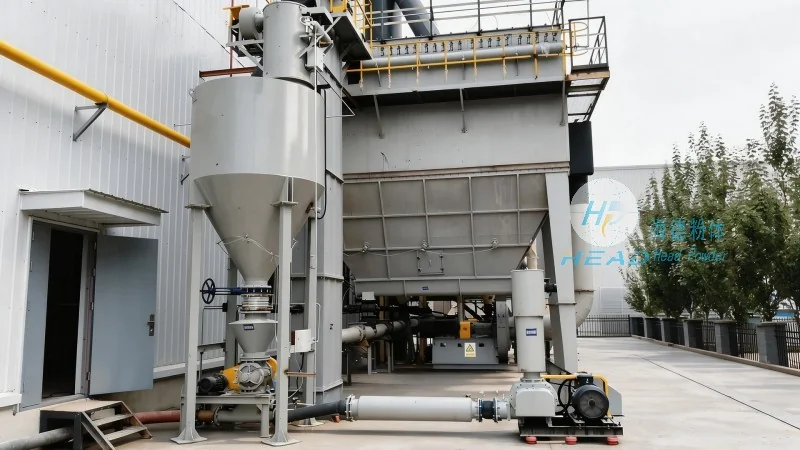
Pneumatic conveying involves the use of air or other gases to transport bulk materials through a pipeline system. This method is particularly suitable for fine and abrasive particles like alumina, which are prone to degradation or contamination in traditional mechanical systems. The technology operates by creating a pressure differential that propels the material through the pipeline, either in a dilute-phase (where particles are suspended in the air stream) or dense-phase (where particles are more concentrated) mode. The choice between these modes depends on factors such as particle size, flow rate, and system constraints. HeadPowder specializes in designing and implementing both dilute and dense-phase pneumatic conveying systems, ensuring optimal performance for alumina transport.
Transporting alumina particles presents unique challenges due to their physical properties. Alumina is often fine-grained, abrasive, and can be hygroscopic, making it susceptible to caking or agglomeration during handling. Additionally, the material's high density and potential for dust generation require specialized equipment to prevent equipment damage and ensure worker safety. Traditional conveying methods, such as belt conveyors or screw conveyors, may not be suitable for alumina due to the risk of material degradation or equipment wear. Pneumatic conveying, however, addresses these challenges by minimizing direct contact between the particles and equipment, thereby preserving the material's quality and extending equipment lifespan.
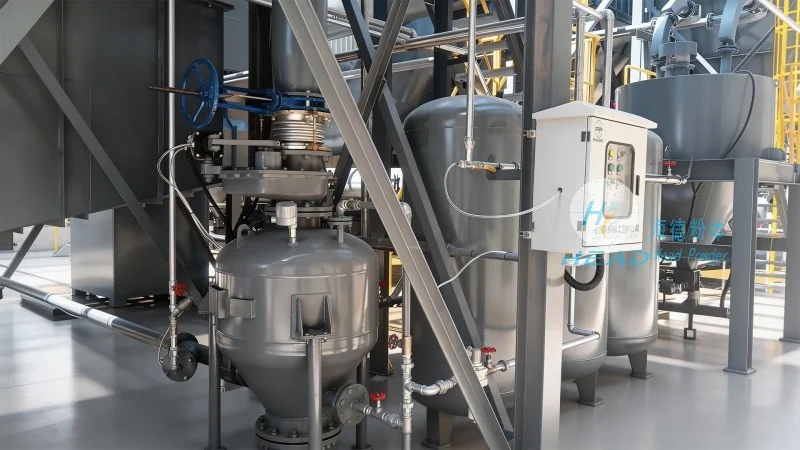
Shandong HeadPowder Engineering Co., Ltd., headquartered in Shandong, China, is a leading provider of customized pneumatic conveying solutions for industrial applications. With years of experience in the field, HeadPowder has developed a deep understanding of the unique requirements for alumina particle transport. The company's engineers leverage advanced design software and extensive industry knowledge to create tailored systems that meet specific client needs. HeadPowder's approach involves a comprehensive analysis of the material characteristics, process requirements, and operational constraints to design an efficient and cost-effective conveying system. The company's solutions are designed to optimize flow rates, minimize energy consumption, and ensure reliable operation, even in demanding alumina transport scenarios.
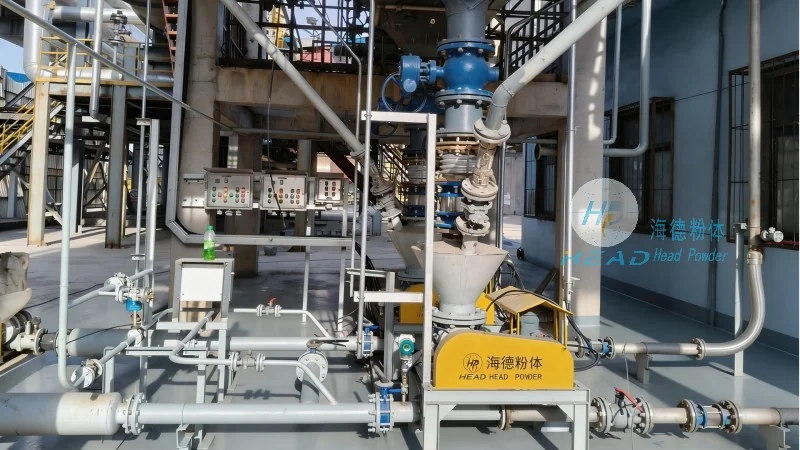
Optimizing pneumatic conveying systems for alumina transport involves several key strategies. First, the selection of the appropriate conveying mode (dilute or dense-phase) is critical. Dilute-phase systems are suitable for high flow rates and long-distance transport, while dense-phase systems are ideal for low flow rates and applications requiring precise control. HeadPowder employs advanced modeling techniques to determine the optimal mode based on the specific alumina characteristics and process requirements. Second, the design of the pipeline system, including the selection of suitable materials and the incorporation of features like bends, filters, and cyclones, is crucial for maintaining system efficiency and preventing blockages. The company's engineers consider factors such as particle size distribution, moisture content, and abrasive properties to ensure the pipeline components can withstand the material's effects. Third, the integration of control systems and monitoring tools allows for real-time optimization of the conveying process. HeadPowder's systems are equipped with sensors and automation controls that enable operators to adjust parameters such as air pressure, flow rate, and particle concentration, ensuring consistent performance and minimizing downtime.
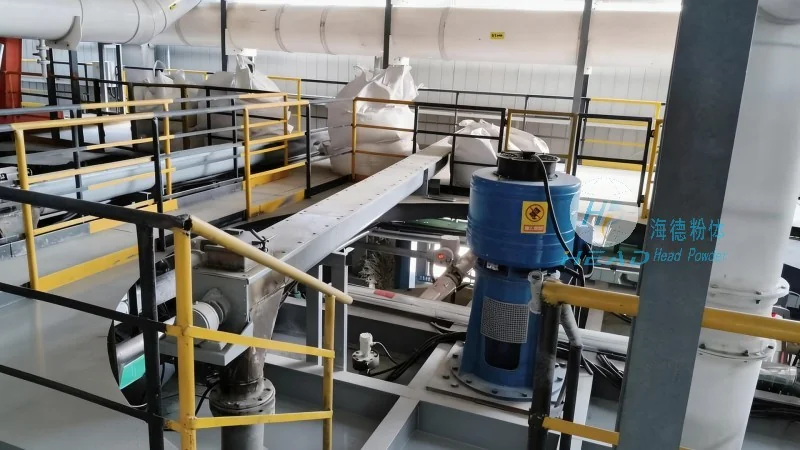
The implementation of HeadPowder's pneumatic conveying solutions for alumina transport offers numerous benefits. Firstly, the technology significantly reduces equipment wear and maintenance costs compared to traditional mechanical systems. By minimizing direct contact between the particles and equipment, the conveying system extends the lifespan of components such as pipelines, valves, and pumps. Secondly, pneumatic conveying enhances safety by eliminating the need for manual handling of alumina, reducing the risk of dust exposure and accidents. The enclosed pipeline system also prevents environmental contamination, making it an environmentally friendly option. Thirdly, the optimized systems improve process efficiency by ensuring consistent flow rates and material quality. This leads to increased productivity and reduced waste in alumina processing operations. Finally, HeadPowder's customized solutions provide flexibility to adapt to changing process requirements, ensuring long-term operational success.
In conclusion, the application and optimization of pneumatic conveying technology in alumina particle transport are essential for achieving efficient and reliable material handling. Shandong HeadPowder Engineering Co., Ltd. has demonstrated expertise in designing and implementing tailored pneumatic conveying systems that address the unique challenges of alumina transport. By leveraging advanced design principles, optimization strategies, and industry experience, HeadPowder provides solutions that enhance process efficiency, reduce costs, and improve safety. For industries relying on alumina, partnering with HeadPowder ensures access to cutting-edge pneumatic conveying technology that meets the highest standards of performance and reliability.

 Shandong Headpowder Engineering Co., Ltd.
 156-6277-7102(Manager Zhang)
  0531-83386006
  Zhangqiu District, Jinan City, Shandong Province, China
telephone
WeChatconsult
top