With more than 10‑year industry experience, Shandong Headpowder delivers full‑service pneumatic‑conveying systems and blowers, undertaking nationwide turn‑key powder‑handling projects.
For industrial operations dealing with gypsum powder, the selection of an efficient material handling system is critical to maintaining production efficiency and ensuring product quality. Pneumatic conveying technology has emerged as a preferred solution for transporting gypsum powder due to its ability to handle fine powders with minimal dust generation and reduced maintenance requirements compared to traditional methods like belt conveyors or bucket elevators.
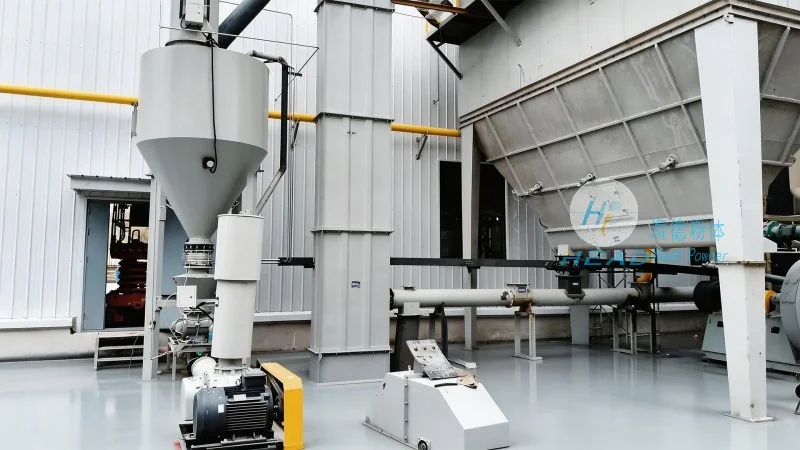
Gypsum powder, commonly used in construction materials, cement production, and agricultural applications, presents unique challenges when it comes to transportation. Its fine particle size, hygroscopic nature, and tendency to agglomerate can lead to blockages, system inefficiencies, and product degradation if not managed properly. Traditional mechanical conveying systems often struggle with these issues, making pneumatic conveying a more reliable choice. The technology relies on air flow to transport the powder through a pipeline network, offering advantages such as enclosed transport, which prevents dust contamination and environmental pollution.
Shandong HeadPowder Engineering Co., Ltd., a leading provider of material handling solutions, specializes in designing and implementing customized pneumatic conveying systems tailored to the specific needs of gypsum powder applications. With years of experience in the industry, the company has developed a deep understanding of the technical and operational aspects of gypsum powder handling. HeadPowder's approach involves a comprehensive analysis of the client's process requirements, including production volume, material characteristics, and site constraints, to design a system that maximizes efficiency and minimizes downtime.
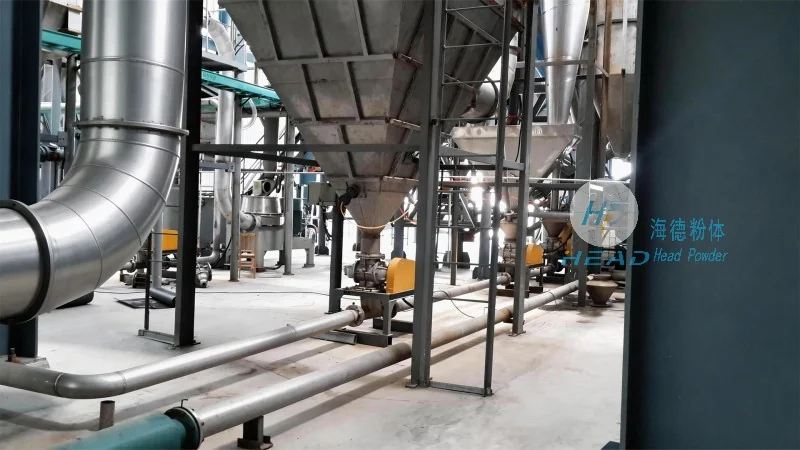
Optimizing the design of a pneumatic conveying system for gypsum powder requires careful consideration of several factors. The first is the selection of the appropriate conveying type, such as dilute-phase or dense-phase systems, based on the material's flowability and the distance to be covered. Dilute-phase systems use higher air velocities to transport the powder in a dispersed state, suitable for short distances and low to medium flow rates. Dense-phase systems, on the other hand, use lower air velocities and higher material-to-air ratios, ideal for longer distances and higher flow rates, reducing the risk of material degradation. HeadPowder engineers carefully evaluate these factors to select the most suitable system for each project.
The success of a pneumatic conveying system for gypsum powder depends on the quality and integration of its components. HeadPowder utilizes high-quality equipment including feeders, airlocks, cyclones, and filters to ensure smooth and efficient operation. The feeders, such as rotary valves or screw feeders, are designed to handle the fine, cohesive nature of gypsum powder without causing blockages. Airlocks are used to isolate the system and prevent backflow, while cyclones separate the powder from the air stream, allowing for recycling of the air and efficient material collection. Filters are essential to maintain air quality and comply with environmental regulations. Each component is selected and configured to work in harmony, ensuring the system operates at peak performance.
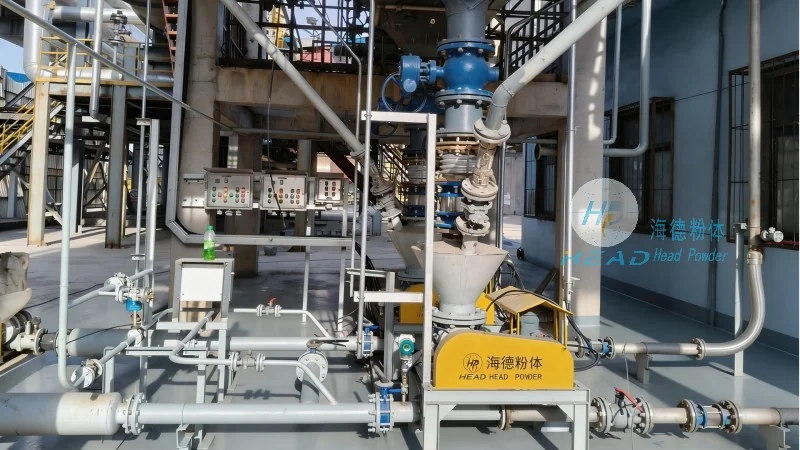
Modern pneumatic conveying systems for gypsum powder often integrate with the overall production process to enhance efficiency and reduce labor costs. HeadPowder designs systems that can be integrated with existing equipment, such as mixers, storage silos, and packaging units, to create a seamless material flow. Automation plays a crucial role in optimizing the system's performance, with features like pressure sensors, flow meters, and control panels enabling real-time monitoring and adjustment. This allows operators to quickly identify and resolve issues, minimizing downtime and maximizing production output. The company's expertise in process integration ensures that the conveying system works in tandem with other equipment, creating a cohesive and efficient production line.
Handling gypsum powder requires adherence to strict environmental and safety standards. Pneumatic conveying systems offer significant advantages in this regard, as they are enclosed and prevent dust from escaping into the environment. HeadPowder's designs incorporate dust collection and filtration systems to meet regulatory requirements and maintain a safe working environment. The company also considers factors such as noise reduction and energy efficiency in its system designs, ensuring that the equipment operates within acceptable limits and contributes to sustainable industrial practices. By prioritizing environmental and safety aspects, HeadPowder ensures that its pneumatic conveying solutions not only improve operational efficiency but also align with industry best practices.
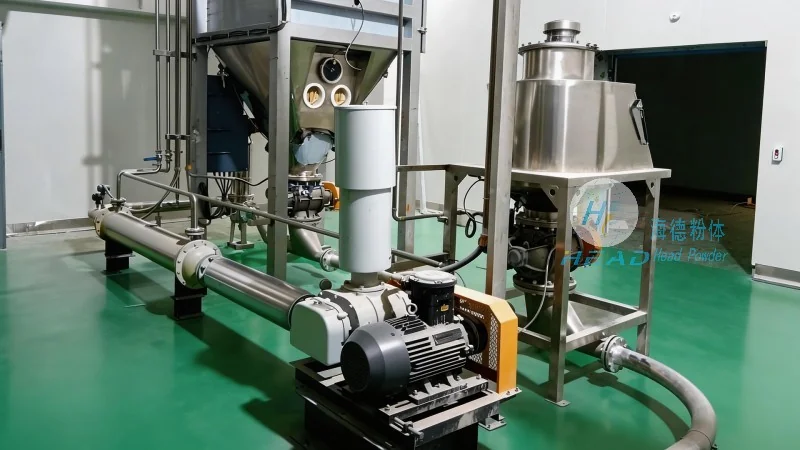
HeadPowder has successfully implemented numerous pneumatic conveying systems for gypsum powder in various industries. For example, in a construction materials plant, the company designed a dilute-phase system to transport gypsum powder from storage silos to a mixing facility, reducing material handling time by 30% and improving product consistency. In another application, a cement manufacturer used a dense-phase system to convey gypsum powder over a long distance, achieving a 20% increase in production capacity while maintaining low energy consumption. These case studies demonstrate the effectiveness of HeadPowder's customized solutions in addressing the unique challenges of gypsum powder handling and optimizing operational performance.
As the demand for gypsum powder continues to grow in various industries, the importance of efficient material handling systems cannot be overstated. Pneumatic conveying technology, when properly designed and optimized, offers a reliable and effective solution for transporting gypsum powder while addressing the challenges associated with its handling. Shandong HeadPowder Engineering Co., Ltd. stands at the forefront of this technology, providing expert design, implementation, and support to ensure that clients achieve the highest levels of efficiency, safety, and sustainability in their gypsum powder transportation operations. With a focus on tailored solutions and a commitment to excellence, HeadPowder continues to lead the way in optimizing pneumatic conveying systems for gypsum powder applications.

 Shandong Headpowder Engineering Co., Ltd.
 156-6277-7102(Manager Zhang)
  0531-83386006
  Zhangqiu District, Jinan City, Shandong Province, China
telephone
WeChatconsult
top