With more than 10‑year industry experience, Shandong Headpowder delivers full‑service pneumatic‑conveying systems and blowers, undertaking nationwide turn‑key powder‑handling projects.
HeadPowder, a leading engineering firm based in Shandong, China, specializes in the design and implementation of pneumatic conveying systems for sawdust particles. This technology is crucial for efficiently transporting fine, lightweight materials like sawdust from one location to another, often in industrial settings such as woodworking plants, biomass energy facilities, or material processing centers. The fundamental principle of pneumatic conveying involves using a gas stream—typically air—to transport solid particles through a pipeline. This method offers advantages over traditional mechanical conveyors, including reduced maintenance, lower energy consumption, and the ability to handle materials that are difficult to move via conventional means.
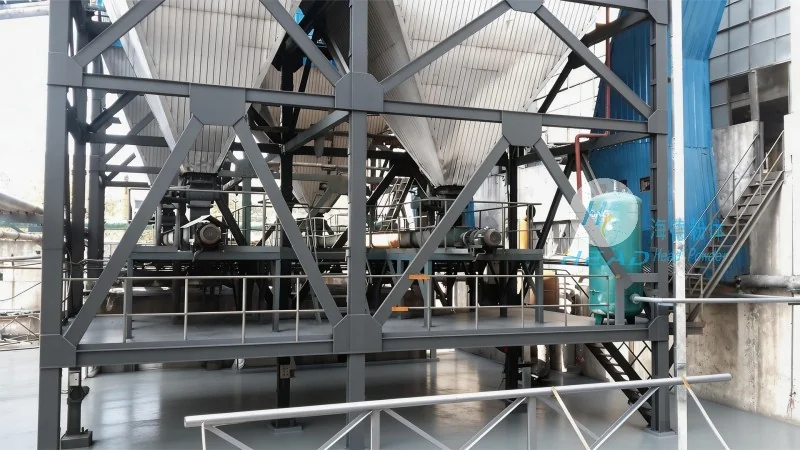
The core mechanism of sawdust particle pneumatic conveying relies on the interaction between the solid particles and the moving gas stream. In a typical system, sawdust is fed into a hopper or feeder, where it is then introduced into a pipeline. A fan or blower generates the necessary airflow, creating a pressure differential that propels the particles forward. There are two primary modes of pneumatic conveying: positive pressure (or pressure) systems and negative pressure (or vacuum) systems. Positive pressure systems operate by blowing air into the pipeline, pushing the material through, while negative pressure systems draw material into the system using a vacuum created by a fan at the discharge end. For sawdust, which is often light and prone to settling, positive pressure systems are commonly preferred as they provide better control over particle flow and minimize the risk of blockages.
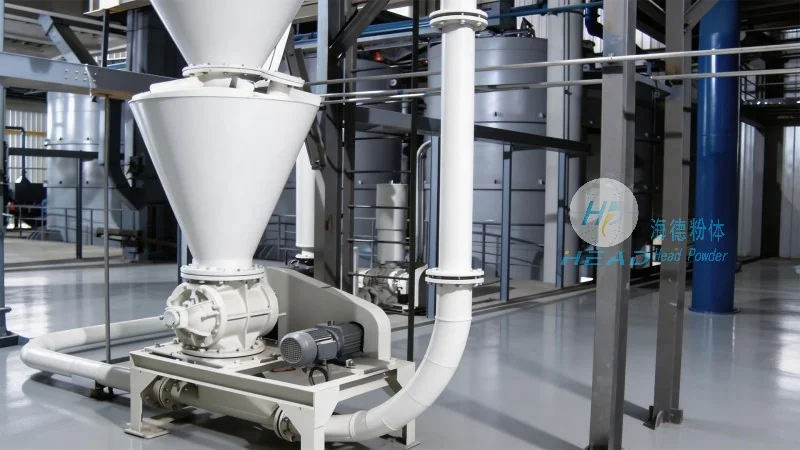
Pneumatic conveying systems for sawdust can be classified based on several key factors, including the pressure level, system configuration, and application requirements. The main categories include:
The versatility of sawdust particle pneumatic conveying makes it applicable across various industries. In woodworking and furniture manufacturing, these systems are used to transport sawdust from cutting and shaping operations to storage silos or processing units. This helps maintain a clean and organized workspace while ensuring that the material is available for reuse or disposal. In biomass energy production, sawdust is a key feedstock for power generation. Pneumatic conveying systems efficiently transport the material from storage to the boiler or gasifier, ensuring a consistent and reliable fuel supply. Additionally, in material recycling facilities, sawdust is often processed and reused in composite materials or as a fuel source. The ability to handle sawdust efficiently through pneumatic systems supports the sustainability goals of these operations by minimizing waste and maximizing resource utilization.
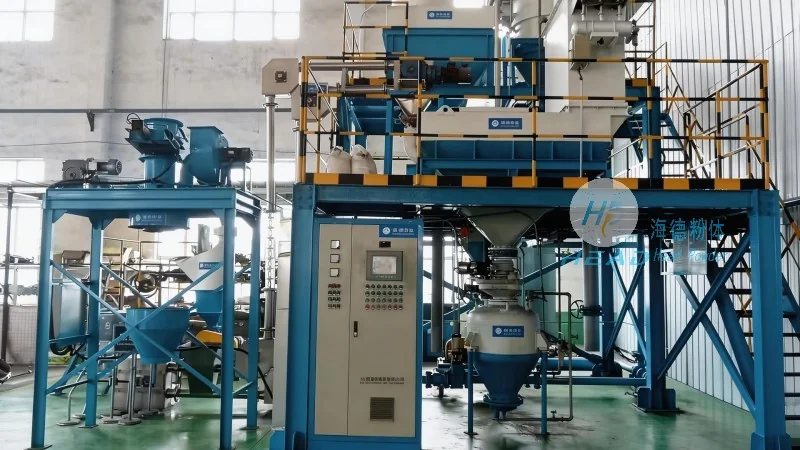
When designing a pneumatic conveying system for sawdust, several factors must be carefully considered to ensure optimal performance and longevity. First, the particle size and density of the sawdust are critical. Sawdust particles are typically fine and lightweight, which can lead to issues such as settling or blockages if the system is not properly designed. Engineers must select appropriate equipment, such as high-capacity feeders and smooth pipeline materials, to prevent material buildup. Second, the system's pressure and airflow requirements must be accurately calculated based on the distance to be covered and the material flow rate. Overdesigning the system can lead to unnecessary energy consumption, while underdesigning may result in inefficient transport or system failure. Third, the impact of dust and moisture on the system must be addressed. Sawdust often contains moisture, which can cause corrosion or clogging in the pipeline and equipment. Proper drying and filtration systems are essential to maintain system performance and extend equipment life. Finally, safety considerations are paramount. Pneumatic conveying systems can generate high pressures and velocities, posing risks of explosion or injury. Implementing safety features, such as pressure relief valves and proper ventilation, is crucial to ensure the safety of personnel and equipment.

 Shandong Headpowder Engineering Co., Ltd.
 156-6277-7102(Manager Zhang)
  0531-83386006
  Zhangqiu District, Jinan City, Shandong Province, China
telephone
WeChatconsult
top