With more than 10‑year industry experience, Shandong Headpowder delivers full‑service pneumatic‑conveying systems and blowers, undertaking nationwide turn‑key powder‑handling projects.
Mineral sand pneumatic conveying is a key technology in material handling, offering efficient and flexible solutions for transporting bulk materials like mineral sands. This article provides an in-depth overview of its working principles, classification methods, and practical applications, highlighting the expertise of Shandong HeadPowder Engineering Co., Ltd. as a leading provider in the field.
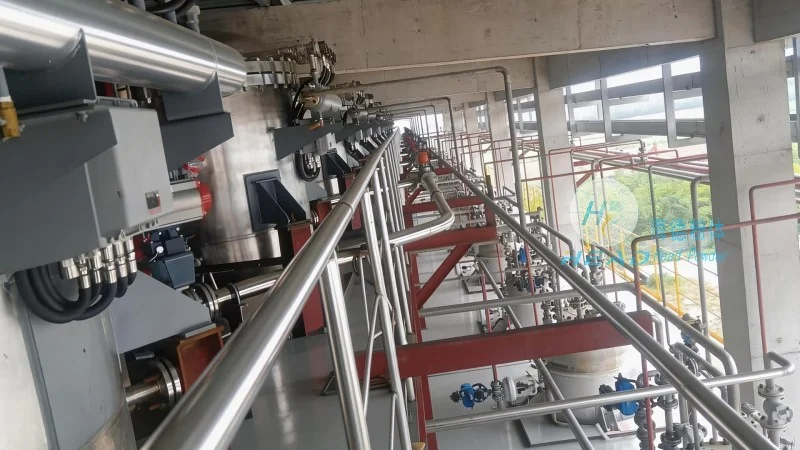
The core principle of pneumatic conveying involves using air as the medium to transport solid particles. There are two main operational modes: positive pressure and negative pressure systems. In positive pressure systems, air is forced through the conveying line under pressure, carrying the mineral sand particles. This method is suitable for long-distance and high-capacity transport. Negative pressure systems, on the other hand, create a vacuum to draw material into the line, which is often used for shorter distances or when the material needs to be transported from multiple points to a single collection point. The choice between these modes depends on factors such as the material's properties, the distance to be covered, and the required flow rate.
Pneumatic conveying systems for mineral sands are typically classified based on the flow rate and particle velocity. The primary categories include dilute-phase and dense-phase systems. Dilute-phase systems operate at higher air velocities, with particles suspended in the air stream, allowing for continuous and high-speed transport. Dense-phase systems, in contrast, use lower air velocities, causing particles to settle and form a slurry-like flow, which is ideal for handling abrasive or sensitive materials. Another classification is based on the pressure level, including low-pressure, medium-pressure, and high-pressure systems, each tailored to specific operational requirements and material characteristics.
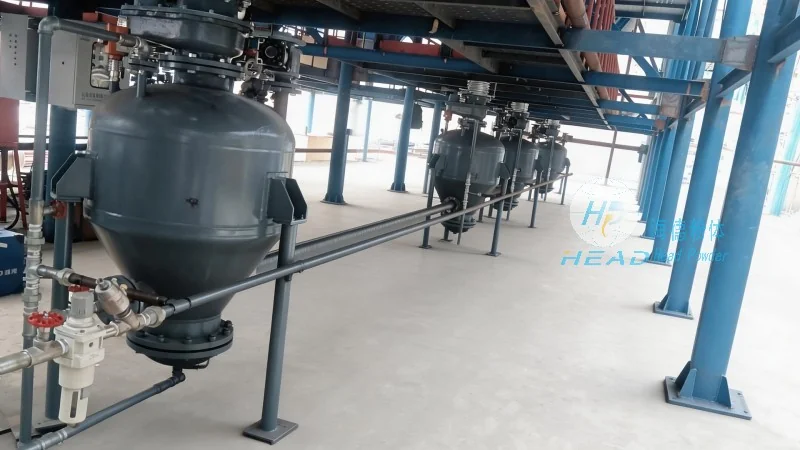
Shandong HeadPowder Engineering Co., Ltd. specializes in implementing pneumatic conveying solutions tailored to the mineral processing industry. These systems are widely used in the handling of mineral sands from mining sites to processing facilities. For instance, in sand mining operations, pneumatic conveyors efficiently transport raw mineral sand from extraction points to crushing and grinding units. In the processing stage, they facilitate the movement of sand between different processing stages, such as classification, drying, and sorting. The technology also supports the transport of sand from processing plants to storage or shipping areas, ensuring a seamless and continuous material flow. The company's expertise ensures that these systems are designed to meet the specific demands of each application, optimizing efficiency and minimizing operational costs.
Implementing pneumatic conveying for mineral sand transport offers several advantages. These include the ability to handle a wide range of particle sizes and densities, the flexibility to transport materials over varying distances, and the reduced need for mechanical components compared to traditional belt or bucket elevators. However, there are also considerations to keep in mind. For example, the system's performance is highly dependent on the air pressure and flow rate, which must be carefully controlled to prevent blockages or excessive energy consumption. Additionally, the material's properties, such as its abrasiveness and moisture content, can impact the system's lifespan and maintenance requirements. Shandong HeadPowder Engineering Co., Ltd. addresses these considerations through thorough system design and material selection, ensuring reliable and long-lasting performance.
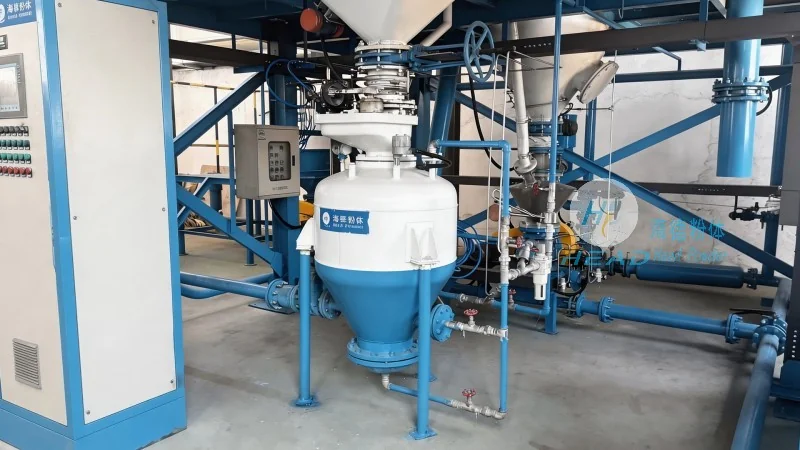
As a leading provider of pneumatic conveying solutions, Shandong HeadPowder Engineering Co., Ltd. offers customized systems that cater to the unique needs of each client. The company's engineers work closely with clients to assess their specific material handling requirements, including the type of mineral sand, the distance of transport, and the desired flow rate. Based on this assessment, they design and implement systems that optimize performance and efficiency. For example, for high-abrasion mineral sands, the company may recommend dense-phase systems with specialized materials for the conveying line to extend its lifespan. Similarly, for long-distance transport, positive pressure systems with higher air pressures are employed to maintain consistent flow rates. The company's commitment to quality and customer satisfaction ensures that each system is tailored to deliver the best possible results, supporting the client's operational goals.
In conclusion, mineral sand pneumatic conveying is a versatile and efficient technology that plays a crucial role in the mineral processing industry. The working principles and classification methods discussed here provide a solid foundation for understanding how these systems operate and how they can be applied effectively. Shandong HeadPowder Engineering Co., Ltd. leverages this knowledge to deliver high-quality, customized solutions that meet the diverse needs of its clients, ensuring reliable and efficient material handling. By focusing on the specific requirements of each application, the company helps its clients achieve optimal performance and operational efficiency in their mineral sand processing operations.

 Shandong Headpowder Engineering Co., Ltd.
 156-6277-7102(Manager Zhang)
  0531-83386006
  Zhangqiu District, Jinan City, Shandong Province, China
telephone
WeChatconsult
top