With more than 10‑year industry experience, Shandong Headpowder delivers full‑service pneumatic‑conveying systems and blowers, undertaking nationwide turn‑key powder‑handling projects.
Efficient and reliable peanut powder conveying systems are essential in various industrial applications, particularly in food processing and material handling. This overview aims to provide a comprehensive understanding of the structural design and operational principles behind such systems, highlighting the key components and their functional roles. By examining the technical aspects and engineering considerations, we can appreciate how these systems ensure safe and efficient transport of peanut powder, a critical ingredient in many food products.
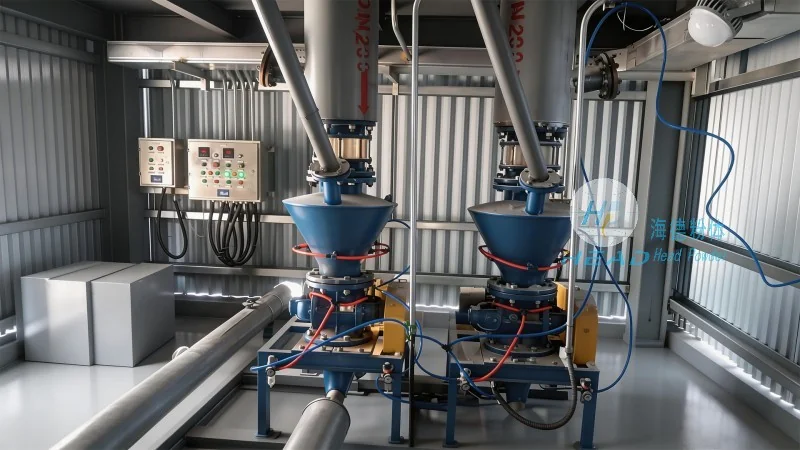
The core structure of a peanut powder conveying system typically comprises several interconnected components that work in tandem to achieve seamless material transport. The primary elements include the hopper, conveyor mechanism (such as screw or pneumatic conveyors), control system, and discharge outlet. Each component is meticulously designed to handle the unique properties of peanut powder, including its granular size, moisture content, and flow characteristics. The hopper serves as the initial storage and feeding unit, ensuring a consistent supply of material to the conveyor. The conveyor mechanism, whether mechanical or pneumatic, is engineered to move the powder through the system with minimal loss or degradation. Advanced control systems are integrated to monitor and regulate the conveying process, optimizing performance and preventing issues like blockages or overloading. The discharge outlet is strategically positioned to direct the powder to the next processing stage or storage area, maintaining the integrity of the material.
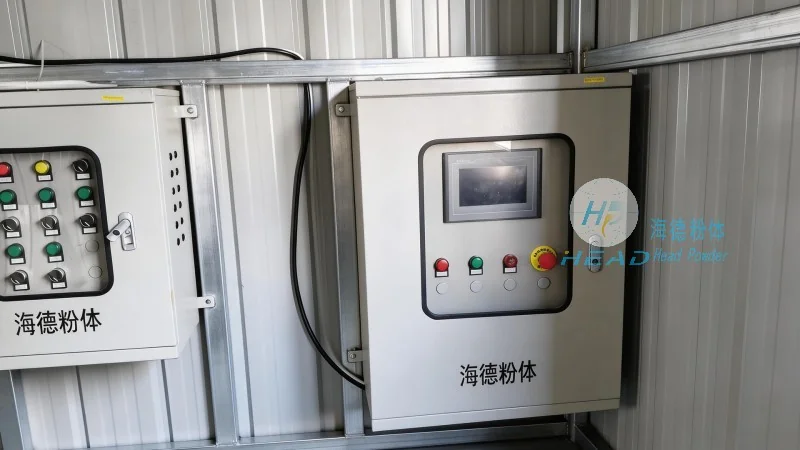
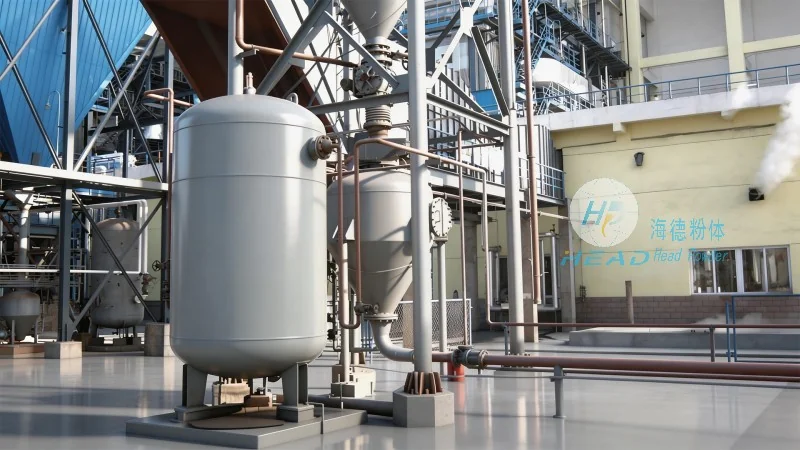
The operational principles of peanut powder conveying systems are based on fundamental engineering concepts that ensure efficient material transport. For mechanical conveyors, such as screw conveyors, the principle involves the rotation of a screw or auger within a trough, which pushes the powder forward through the system. The design of the screw pitch and diameter is critical, as it directly impacts the conveying capacity and pressure exerted on the material. Pneumatic conveyors, on the other hand, utilize air pressure to move the powder in a closed pipeline. This method is particularly effective for handling fine powders like peanut powder, as it minimizes product contamination and allows for flexible routing. The system operates by creating a pressure differential between the inlet and outlet, drawing the powder into the pipeline and transporting it to the desired location. Both mechanical and pneumatic systems are equipped with safety features and maintenance provisions to ensure continuous operation and longevity.
Designing an effective peanut powder conveying system requires careful consideration of several engineering factors to ensure optimal performance and longevity. Material selection is a critical aspect, as the components must be resistant to corrosion, wear, and the abrasive nature of peanut powder. Stainless steel and food-grade materials are commonly used for the hopper and conveyor parts to maintain hygiene standards and prevent contamination. The system's capacity and flow rate must be matched to the production requirements, ensuring that it can handle the expected volume of peanut powder without bottlenecks or inefficiencies. Additionally, the system must be designed to minimize dust generation and air leakage, as these can impact both safety and material quality. Proper sealing and filtration systems are incorporated to maintain a clean and safe working environment. Maintenance and operational guidelines are also integral to the design, providing clear instructions for regular checks, cleaning, and repairs to keep the system running smoothly.
Shandong HeadPowder Engineering Co., Ltd., operating under the brand name headpowder, is a leading manufacturer specializing in the design and production of advanced powder conveying systems. With a strong commitment to quality and innovation, the company has established itself as a trusted partner in the food processing and material handling industries. HeadPowder's expertise lies in developing customized solutions tailored to the specific needs of clients, ensuring that their peanut powder conveying systems meet the highest standards of efficiency, reliability, and safety. The company's state-of-the-art manufacturing facilities and rigorous quality control processes guarantee that each product is built to last, providing long-term value to customers. HeadPowder's team of experienced engineers and technicians work closely with clients to understand their unique requirements and provide tailored solutions that enhance operational efficiency and reduce downtime. The company's dedication to customer satisfaction and continuous improvement has earned it a reputation for excellence in the industry.

 Shandong Headpowder Engineering Co., Ltd.
 156-6277-7102(Manager Zhang)
  0531-83386006
  Zhangqiu District, Jinan City, Shandong Province, China
telephone
WeChatconsult
top