With more than 10‑year industry experience, Shandong Headpowder delivers full‑service pneumatic‑conveying systems and blowers, undertaking nationwide turn‑key powder‑handling projects.
For industrial applications requiring efficient and reliable transportation of petroleum coke, pneumatic conveying systems offer a robust solution. These systems utilize air or gas to move bulk materials like petroleum coke through pipelines, ensuring smooth and continuous operation in various processing environments. The equipment involved in such systems is designed to handle the unique characteristics of petroleum coke, including its density, particle size, and flow properties, making them ideal for applications in the petrochemical and steel industries.
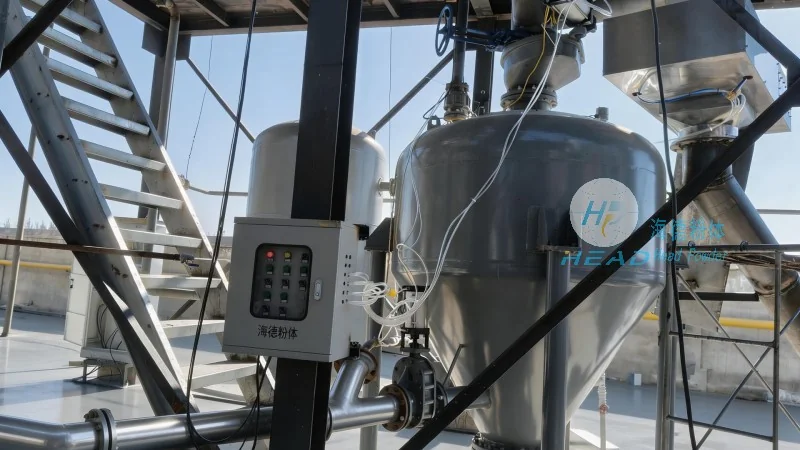
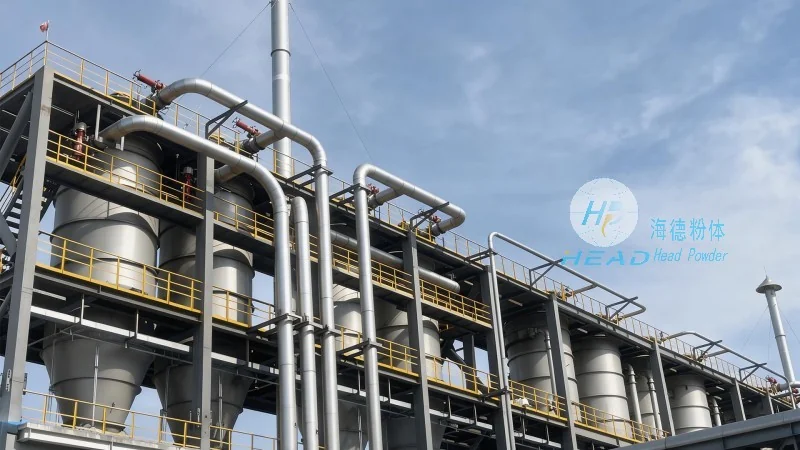
The core components of a petroleum coke pneumatic conveying system typically include a material feeder, a conveying pipeline, a pressure vessel or receiver, and a control system. The material feeder, often a rotary valve or a screw feeder, introduces petroleum coke into the system at a controlled rate, ensuring consistent flow. The conveying pipeline, usually constructed from stainless steel or other corrosion-resistant materials, transports the coke and air mixture, with bends and valves strategically placed to manage direction and pressure. The pressure vessel or receiver collects the material and may include a dust collection system to ensure environmental compliance, while the control system monitors and regulates the flow of material and air, maintaining optimal pressure and flow rates to prevent blockages and ensure efficient operation.
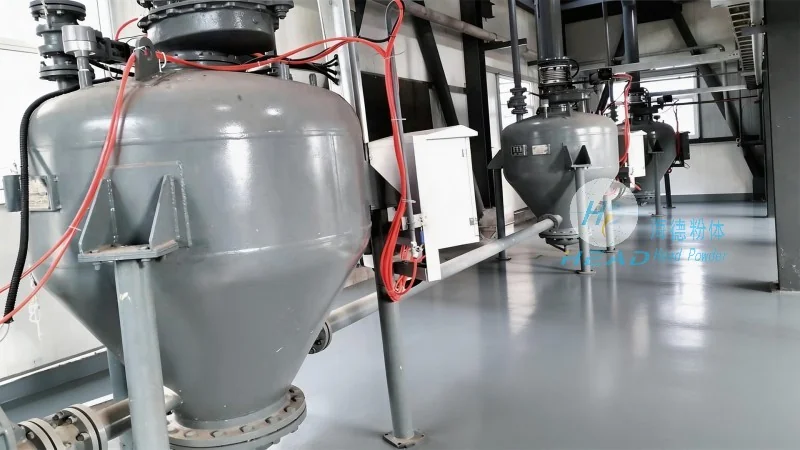
Several critical pieces of equipment are essential for the effective operation of petroleum coke pneumatic conveying systems. The material feeder, such as a rotary airlock or a screw conveyor, ensures consistent and controlled feeding of the coke into the pipeline, minimizing the risk of overloading or underfeeding. The conveying pipeline, often equipped with wear-resistant liners or coatings, is designed to handle the abrasive nature of petroleum coke and prevent wear over time. The pressure vessel or receiver, which may include a hopper and a dust collection system, collects the material and removes any airborne particles, ensuring clean and efficient material handling. Additionally, the control system, which may include sensors and automation, monitors pressure, flow, and temperature to maintain system stability and prevent operational issues, enhancing overall system reliability.
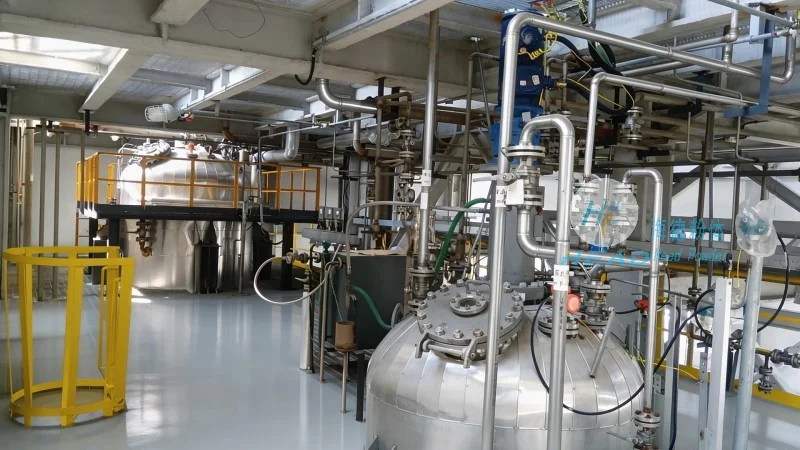
Petroleum coke pneumatic conveying systems are widely used in the petrochemical and steel industries, where the efficient transport of coke is crucial for production processes. These systems offer several benefits, including reduced labor costs by minimizing manual handling, improved safety by eliminating the need for workers to handle bulk materials directly, and enhanced process control through precise regulation of material flow. By eliminating the risk of material spillage and contamination associated with traditional conveyor belts or trucks, the systems also contribute to a cleaner and more efficient production environment. The ability to transport petroleum coke over long distances with minimal maintenance and downtime further enhances their appeal, making them a preferred choice for industrial applications requiring high reliability and performance.

 Shandong Headpowder Engineering Co., Ltd.
 156-6277-7102(Manager Zhang)
  0531-83386006
  Zhangqiu District, Jinan City, Shandong Province, China
telephone
WeChatconsult
top