With more than 10‑year industry experience, Shandong Headpowder delivers full‑service pneumatic‑conveying systems and blowers, undertaking nationwide turn‑key powder‑handling projects.
Low-pressure pneumatic conveying equipment is a crucial industrial device used for transporting bulk materials through a pipeline system using air as the conveying medium. This technology offers a dust-free, efficient, and flexible solution for material handling in various industries, including food processing, pharmaceuticals, chemicals, and mining. The equipment operates under low air pressure, typically ranging from 0.5 to 2 bar, making it suitable for a wide range of applications where traditional mechanical conveyors may not be feasible.
Shandong HeadPowder Engineering Co., Ltd., a leading manufacturer in the field, specializes in the design, development, and production of advanced low-pressure pneumatic conveying systems. With years of experience and a commitment to innovation, the company has established itself as a trusted partner for businesses seeking reliable material handling solutions. HeadPowder's products are engineered to meet the diverse needs of different industries, ensuring optimal performance and durability.
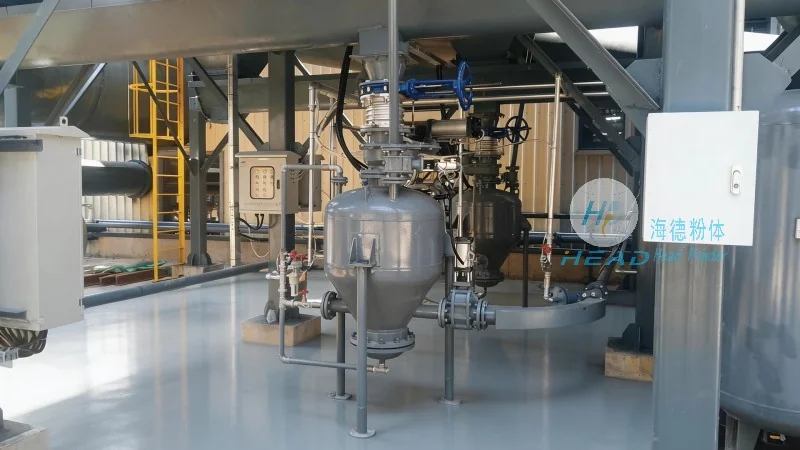
A typical low-pressure pneumatic conveying system consists of several essential components that work in harmony to achieve efficient material transport. The main components include a material feeder, a conveying pipeline, a pressure vessel (or receiver), a blower or fan, and a control system. Each component plays a vital role in the overall operation of the system.
The material feeder is responsible for feeding the bulk material into the conveying pipeline. It can be a screw feeder, a rotary valve, or a hopper with a gate mechanism, depending on the material characteristics and flow requirements. The feeder ensures a consistent and controlled flow of material, preventing blockages and maintaining system efficiency.
The conveying pipeline is the central part of the system, where the material is transported under low pressure. The pipeline is usually made of stainless steel or other corrosion-resistant materials to handle various types of materials and prevent contamination. The design of the pipeline, including bends, elbows, and straight sections, is critical to minimize pressure drop and ensure smooth material flow.
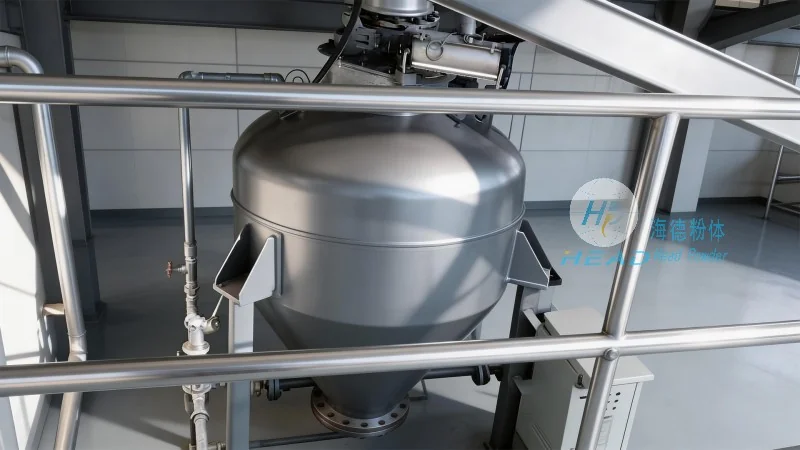
The pressure vessel, also known as a receiver or hopper, is used to collect the conveyed material at the end of the pipeline. It is equipped with a discharge valve or outlet to allow the material to be released when needed. The vessel also helps to separate the material from the air, allowing the air to be recycled or vented safely.
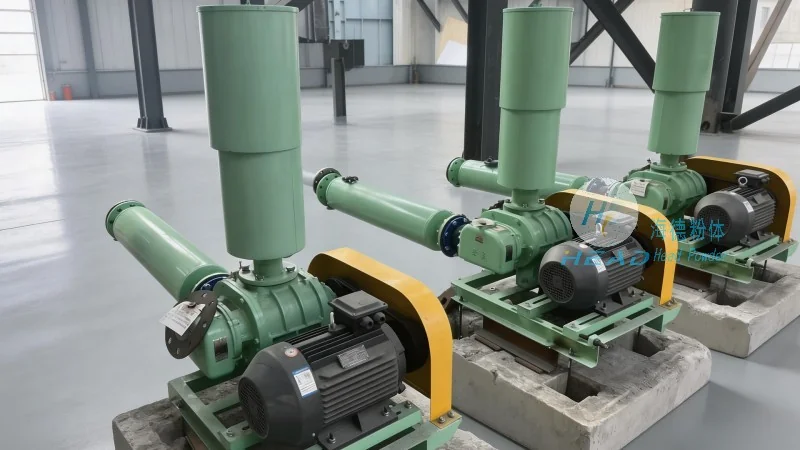
The blower or fan is the power source of the system, providing the necessary air pressure to move the material through the pipeline. Low-pressure blowers are commonly used, as they operate efficiently at lower pressure levels. The fan is connected to the pipeline at the inlet, creating a slight positive pressure that propels the material forward.
The control system is responsible for monitoring and regulating the operation of the entire system. It includes sensors to measure pressure, flow rate, and material level, as well as control valves and switches to adjust the air flow and feeder speed. The control system ensures that the system operates safely and efficiently, preventing overloading or underloading of the components.
The working principle of low-pressure pneumatic conveying involves the use of air to create a flow of material through the pipeline. The process starts with the material being fed into the pipeline by the feeder. The blower then introduces air into the pipeline, creating a low-pressure environment that lifts the material particles and carries them along the pipeline.
As the material moves through the pipeline, it is suspended in the air stream and transported to the pressure vessel. The air and material mixture then enters the pressure vessel, where the air is separated from the material. The air is either recycled back to the blower or vented to the atmosphere, depending on the system design. The material is then discharged from the vessel through the outlet valve, completing the conveying cycle.
The key to efficient low-pressure pneumatic conveying is maintaining a consistent air flow and material feed rate. If the air flow is too low, the material may not be fully suspended, leading to blockages or uneven flow. Conversely, if the air flow is too high, it can cause excessive pressure drop and energy consumption. The control system plays a crucial role in balancing these parameters to ensure optimal performance.
Low-pressure pneumatic conveying equipment offers several advantages over traditional mechanical conveyors. One of the main advantages is its ability to handle a wide range of materials, including powders, granules, and bulk solids. The system can transport materials over long distances and through complex layouts without the need for multiple components or maintenance.
Another advantage is the dust-free operation. Unlike mechanical conveyors, which can generate dust and cause health hazards, low-pressure pneumatic systems operate in a closed pipeline, preventing dust from being released into the environment. This makes it suitable for industries where dust control is critical, such as food and pharmaceuticals.
The system also provides flexibility in terms of layout and installation. The pipeline can be installed in various configurations, including vertical, horizontal, or inclined, to suit the specific requirements of the facility. This flexibility allows for easy integration into existing production lines or new installations.
Additionally, low-pressure pneumatic conveying is energy-efficient compared to high-pressure systems. The lower pressure requirements reduce energy consumption, resulting in cost savings for the end-user. The system also has low maintenance requirements, as the components are designed to withstand the low-pressure environment and are easy to clean and maintain.
Low-pressure pneumatic conveying systems are widely used in various industries due to their versatility and efficiency. In the food industry, the system is used to transport ingredients such as flour, sugar, and spices, ensuring a clean and hygienic process. The dust-free operation and stainless steel construction make it suitable for food processing applications.
In the pharmaceutical industry, low-pressure pneumatic conveying is used to transport active pharmaceutical ingredients (APIs) and other sensitive materials. The system's ability to maintain a sterile environment and prevent contamination is crucial for pharmaceutical production. The closed pipeline design and easy cleaning features make it ideal for GMP (Good Manufacturing Practice) compliance.
In the chemical industry, the system is used to transport various chemicals, including powders and granules. The corrosion-resistant materials used in the pipeline and components ensure that the system can handle aggressive chemicals without degradation. The low-pressure operation also reduces the risk of explosion or fire, making it safer for chemical processing.
In the mining and minerals industry, low-pressure pneumatic conveying is used to transport raw materials such as coal, ore, and minerals. The system's ability to handle large volumes of material over long distances makes it suitable for mining operations. The system can also be integrated with other processing equipment, such as crushers and screens, to form a complete material handling solution.
Low-pressure pneumatic conveying equipment is a vital technology in modern industrial material handling. Its ability to transport bulk materials efficiently, safely, and hygienically makes it an essential component in various industries. Shandong HeadPowder Engineering Co., Ltd. provides high-quality low-pressure pneumatic conveying systems that are designed to meet the specific needs of different applications. With their expertise and commitment to quality, HeadPowder is a reliable partner for businesses seeking advanced material handling solutions.

 Shandong Headpowder Engineering Co., Ltd.
 156-6277-7102(Manager Zhang)
  0531-83386006
  Zhangqiu District, Jinan City, Shandong Province, China
telephone
WeChatconsult
top