With more than 10‑year industry experience, Shandong Headpowder delivers full‑service pneumatic‑conveying systems and blowers, undertaking nationwide turn‑key powder‑handling projects.
Shandong HeadPowder Engineering Co., Ltd., commonly known as headpowder, specializes in the design and manufacturing of advanced material handling solutions. This article provides an overview of air-solid pneumatic conveying systems specifically tailored for wet ammonium nitrate, detailing their structural design and operational principles.
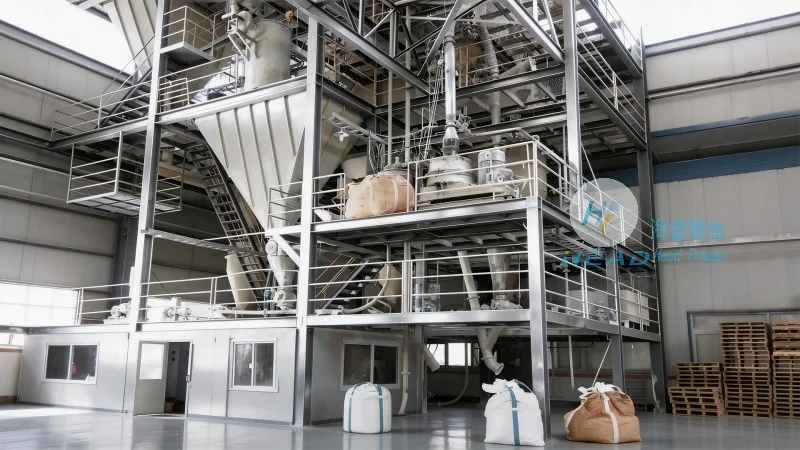
As a leading engineering firm based in Shandong, China, headpowder has established itself as a trusted provider of customized material handling equipment. With a focus on innovation and precision engineering, the company develops solutions that meet the stringent requirements of the chemical and fertilizer industries. The expertise of headpowder's team ensures that each system is tailored to the unique characteristics of wet ammonium nitrate, optimizing performance and safety.
Wet ammonium nitrate is a critical raw material in the production of fertilizers and other chemical products. Handling this material efficiently and safely requires specialized equipment that can manage its moisture content and abrasive properties. Air-solid pneumatic conveying systems offer a reliable solution by transporting the material through a pipeline using compressed air, eliminating the need for mechanical components that might be prone to wear or contamination.
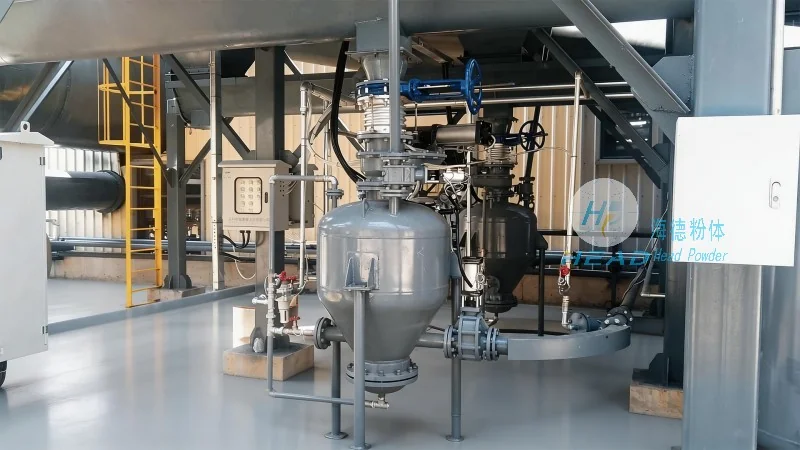
The air-solid pneumatic conveying system for wet ammonium nitrate consists of several key components that work in concert to ensure smooth material transport. The primary elements include a hopper for material storage, a feeder to control the flow rate, a conveying pipeline, and a receiver for the discharged material. Compressed air is introduced into the system through a blower or compressor, creating a flow that propels the wet ammonium nitrate particles through the pipeline.
One of the critical aspects of the system's design is the hopper, which is typically equipped with a cone or a screw feeder to maintain a consistent material level and prevent clogging. The feeder ensures that the material is fed at a controlled rate, preventing overloading of the pipeline and maintaining system efficiency. The conveying pipeline is usually made of corrosion-resistant materials such as stainless steel or polyethylene to withstand the acidic nature of wet ammonium nitrate and prevent degradation over time.
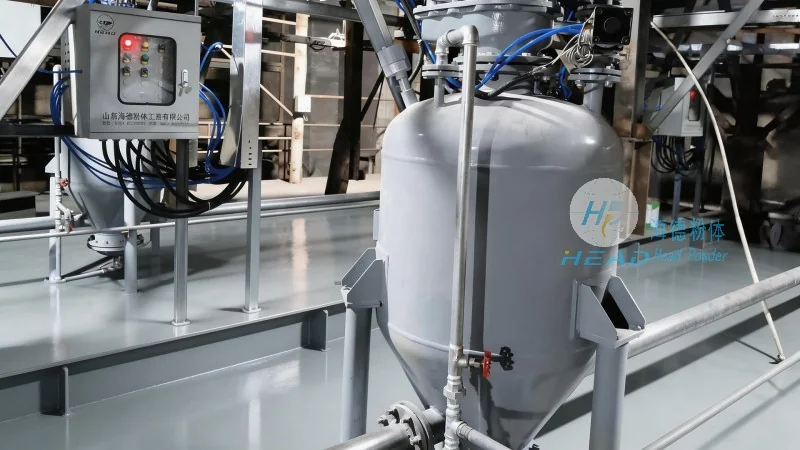
The blower or compressor provides the necessary pressure and airflow to move the material. The system can operate in either positive or negative pressure modes. In positive pressure mode, the air is forced into the pipeline, creating a high-pressure environment that pushes the material forward. In negative pressure mode, the air is drawn out of the pipeline, creating a vacuum that pulls the material. The choice between these modes depends on the specific application and the distance the material needs to be transported.
Implementing an air-solid pneumatic conveying system for wet ammonium nitrate offers several advantages over traditional mechanical conveying methods. First, it eliminates the need for moving parts such as belts, chains, or buckets, reducing maintenance costs and minimizing the risk of mechanical failure. Second, the system is highly efficient in terms of energy consumption, as it uses compressed air to transport the material directly to the destination, without the need for intermediate storage or transfer points.
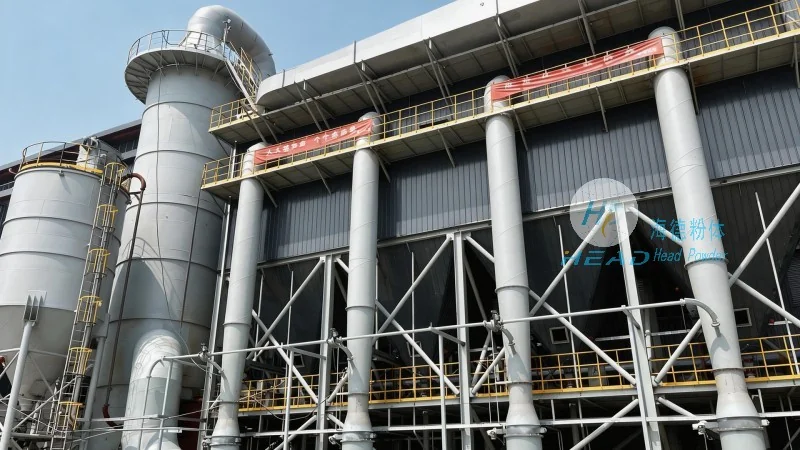
Third, the system provides excellent control over the material flow rate, allowing for precise dosing and batching. This is particularly important in chemical processes where accurate material quantities are critical for product quality and safety. Additionally, the system is designed to handle the abrasive and corrosive nature of wet ammonium nitrate, ensuring long-term durability and minimal downtime.
Shandong HeadPowder Engineering Co., Ltd. provides comprehensive air-solid pneumatic conveying systems for wet ammonium nitrate, combining advanced engineering with robust construction. By understanding the structural principles and operational benefits of these systems, industries can enhance their material handling processes, improve efficiency, and ensure compliance with safety standards. With a strong presence in Shandong, China, headpowder continues to deliver high-quality solutions that meet the evolving needs of the chemical and fertilizer sectors.

 Shandong Headpowder Engineering Co., Ltd.
 156-6277-7102(Manager Zhang)
  0531-83386006
  Zhangqiu District, Jinan City, Shandong Province, China
telephone
WeChatconsult
top