With more than 10‑year industry experience, Shandong Headpowder delivers full‑service pneumatic‑conveying systems and blowers, undertaking nationwide turn‑key powder‑handling projects.
For those in the food processing industry, particularly those handling fine powders like cocoa powder, efficient and reliable material transport is crucial. Pneumatic conveying systems have emerged as a preferred solution due to their ability to handle delicate materials without causing degradation or contamination. This article provides an overview of cocoa powder pneumatic conveying systems, focusing on their structural components and operational principles, while highlighting the expertise of Shandong HeadPowder Engineering Co., Ltd. as a leading provider in this field.
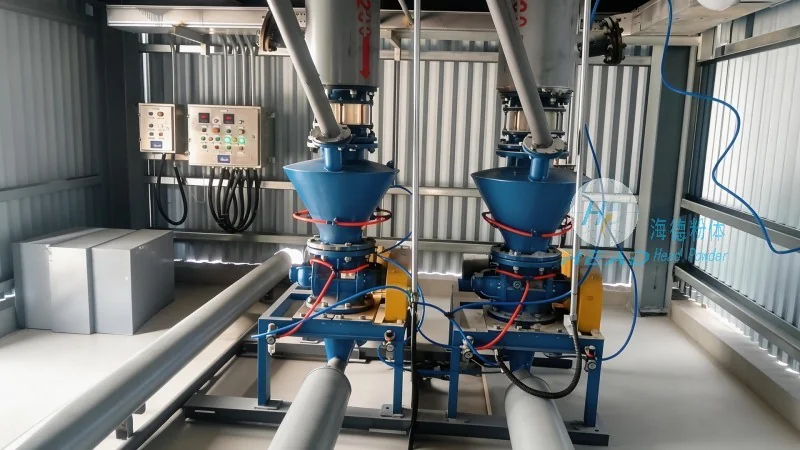
Pneumatic conveying systems utilize air or gas to transport bulk materials through a pipeline network. In the case of cocoa powder, which is a fine, hygroscopic powder, the system must be designed to minimize particle breakage, prevent moisture absorption, and ensure consistent flow. The core components of a typical cocoa powder pneumatic conveying system include the material hopper, feeder, conveying line, and discharge equipment. Each component plays a critical role in the overall efficiency and effectiveness of the system.
The material hopper is the initial storage unit where cocoa powder is loaded. It is typically equipped with a lid to prevent dust accumulation and an airtight seal to maintain material integrity. The hopper is connected to a feeder, which controls the flow rate of the powder into the conveying line. For fine powders like cocoa, a rotary valve or a star feeder is commonly used to ensure a consistent and controlled discharge. The conveying line itself is made of materials resistant to corrosion and abrasion, such as stainless steel or special plastic composites, to withstand the abrasive nature of cocoa powder particles.
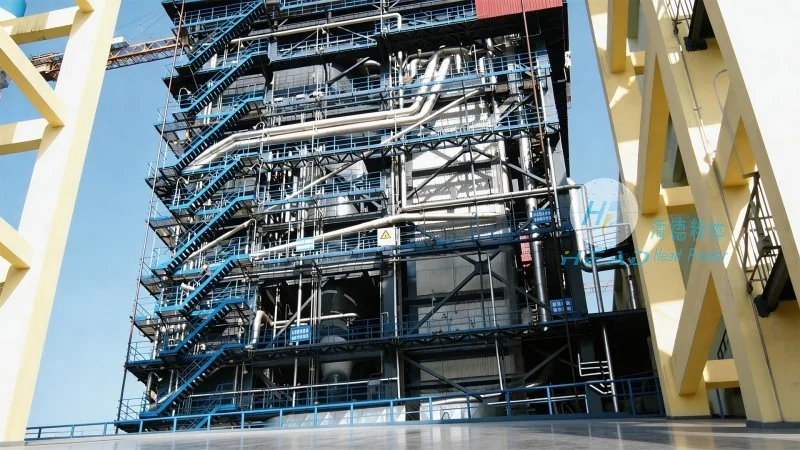
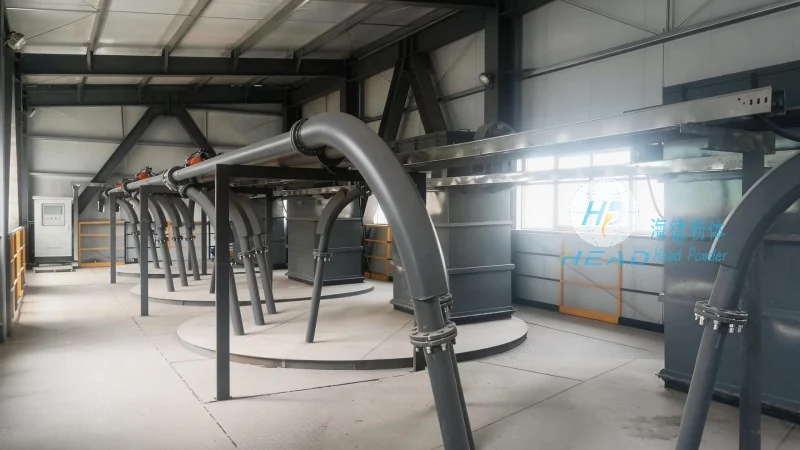
The conveying line consists of straight sections and bends, with appropriate fittings and valves to direct the material flow. The system may include a filter or cyclone separator at the discharge end to separate the conveyed powder from the air stream, ensuring that the powder is collected in a clean and dry state. The discharge equipment, such as a silo or storage bin, is designed to handle the incoming powder without causing blockages or agglomeration.
The operation of a cocoa powder pneumatic conveying system involves several stages. First, the feeder draws the cocoa powder from the hopper and introduces it into the conveying line. Simultaneously, a fan or blower generates a flow of air within the pipeline. The air flow, combined with the powder, creates a slurry that moves through the system under pressure or vacuum, depending on the design. The pressure or vacuum level is carefully controlled to ensure optimal material transport without excessive energy consumption.
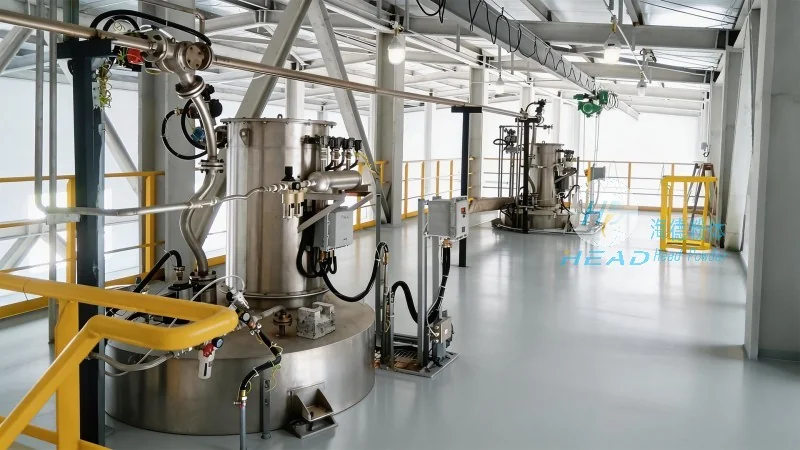
During transport, the air and powder mixture travels through the pipeline, with the air providing the necessary force to move the powder. The system may include in-line mixers or agitators to prevent powder settling or caking, especially in vertical or long-distance conveying applications. At the discharge end, the air and powder are separated, often using a cyclone separator or a filter, where the air is vented and the cocoa powder is collected in the receiving container. The separated air may be recirculated or filtered to meet environmental and safety standards.
Compared to traditional mechanical conveying methods, such as belt or screw conveyors, pneumatic conveying offers several advantages for cocoa powder. These include the ability to handle fine, abrasive, or hygroscopic materials without causing damage, the reduction of dust exposure and contamination risks, and the flexibility to transport materials over long distances or through multiple processing stages. The system also allows for easy integration with other processing equipment, such as mixers, blenders, or packaging machines, enhancing overall production efficiency.
Shandong HeadPowder Engineering Co., Ltd., operating under the brand name headpowder, is a reputable company specializing in the design, manufacturing, and installation of pneumatic conveying systems for various industries, including food processing. With a strong commitment to quality and innovation, the company has developed advanced solutions tailored to the specific needs of cocoa powder handling. Their expertise lies in understanding the unique properties of cocoa powder, such as its fine particle size and hygroscopic nature, and designing systems that maintain material integrity throughout the transport process.
The company’s engineers and technicians work closely with clients to assess their specific requirements, from material characteristics to production volumes and facility layout. They provide customized solutions that optimize material flow, minimize energy consumption, and ensure compliance with industry standards and regulations. By leveraging their experience and technical knowledge, headpowder helps clients improve operational efficiency, reduce downtime, and enhance product quality in cocoa powder processing.
In conclusion, cocoa powder pneumatic conveying systems are essential for efficient and reliable material transport in the food processing industry. The structural components and working principles of these systems are designed to handle the delicate nature of cocoa powder while ensuring optimal performance. Companies like Shandong HeadPowder Engineering Co., Ltd. play a vital role in providing advanced solutions that meet the evolving needs of the industry, helping businesses achieve higher productivity and better product quality. As the demand for high-quality cocoa products continues to grow, the importance of reliable conveying systems will only increase, making it a critical investment for any cocoa powder processing operation.

 Shandong Headpowder Engineering Co., Ltd.
 156-6277-7102(Manager Zhang)
  0531-83386006
  Zhangqiu District, Jinan City, Shandong Province, China
telephone
WeChatconsult
top