With more than 10‑year industry experience, Shandong Headpowder delivers full‑service pneumatic‑conveying systems and blowers, undertaking nationwide turn‑key powder‑handling projects.
Desulfurization fly ash is a byproduct generated during the flue gas desulfurization process in thermal power plants and other industrial facilities. The efficient and reliable transportation of this material is crucial for the overall operation and environmental compliance of these plants. Shandong HeadPowder Engineering Co., Ltd., a leading provider of material handling solutions, specializes in designing and manufacturing pneumatic conveying systems tailored for handling desulfurization fly ash, ensuring that plants can meet their operational and environmental goals effectively.
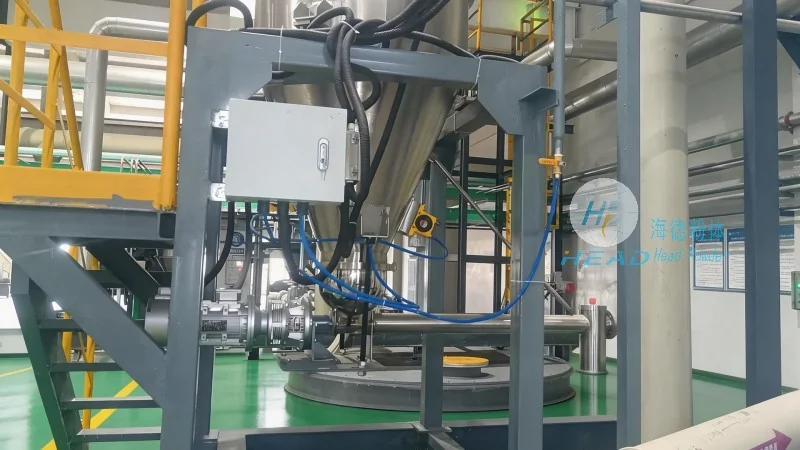
The pneumatic conveying system for desulfurization fly ash is engineered to transport fine particulate materials, such as the fly ash produced from wet or dry flue gas desulfurization processes, from the collection point to the storage or disposal location. This system is an essential component in the overall material handling infrastructure of power plants and industrial sites, ensuring that the fly ash is moved safely and efficiently without the need for manual handling or traditional bulk transport methods.
The system consists of several critical components that work in tandem to achieve effective material transport. The main parts include the ash collection hopper, the air compressor or blower unit, the conveying pipeline, and the discharge hopper or silo. Each component is designed with specific considerations to handle the characteristics of desulfurization fly ash, which typically includes a high moisture content, fine particle size, and potentially abrasive properties.
The ash collection hopper is usually equipped with a rotary valve or a lock hopper to control the flow of fly ash into the system. This ensures a consistent feed rate and prevents blockages in the pipeline. The air compressor or blower provides the necessary air pressure to create a pneumatic flow that carries the fly ash particles through the pipeline. The conveying pipeline is typically made of corrosion-resistant materials, such as stainless steel or special plastic, to withstand the acidic and abrasive nature of the fly ash. The pipeline design includes bends and elbows that are carefully engineered to minimize pressure loss and maintain the flow velocity required for effective transport.
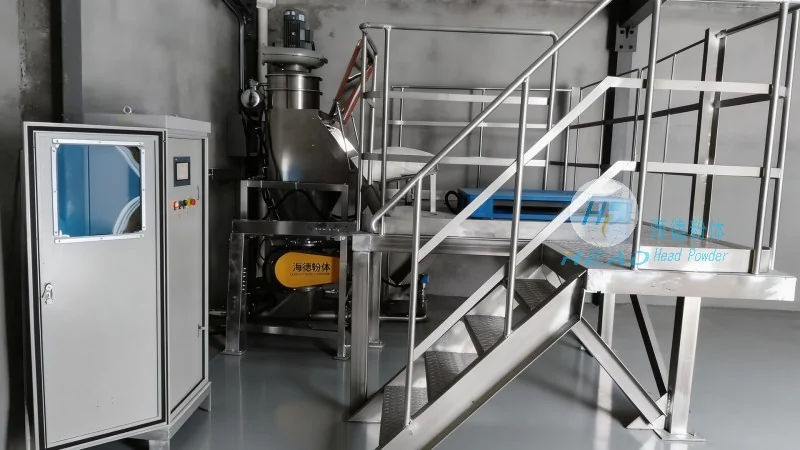
The operation of the desulfurization fly ash pneumatic conveying system is based on the principle of pneumatic transport, where air is used as the conveying medium to move the solid particles. The process begins with the fly ash being discharged from the collection hopper into the pipeline. The air compressor then generates a high-pressure air stream that is introduced into the pipeline at the inlet of the hopper. As the air flows through the pipeline, it picks up the fly ash particles and carries them to the discharge point.
The velocity of the air in the pipeline is a critical factor in the system's performance. It must be sufficient to overcome the gravitational force of the particles and maintain them in suspension. The air velocity is typically maintained at a level that ensures the particles remain entrained in the air stream, preventing deposition or blockages in the pipeline. The system may also include a series of pulse jets or air valves along the pipeline to help maintain the flow and prevent material buildup in the bends or elbows.
Compared to traditional methods like belt conveyors or truck transport, the pneumatic conveying system offers several advantages for handling desulfurization fly ash. First, it provides a closed system, which helps to prevent dust emissions and environmental contamination. This is particularly important for meeting environmental regulations and maintaining a clean working environment. Second, the system is more flexible in terms of layout, as the pipeline can be installed in various configurations to suit the plant's layout and space constraints. Third, it requires less maintenance compared to mechanical conveyors, as there are fewer moving parts that can wear out or require replacement.
Additionally, the pneumatic conveying system can handle a wide range of particle sizes and moisture contents, making it suitable for different types of desulfurization processes. It also allows for the integration of other processing steps, such as dewatering or mixing, within the system, enhancing its overall functionality and efficiency.
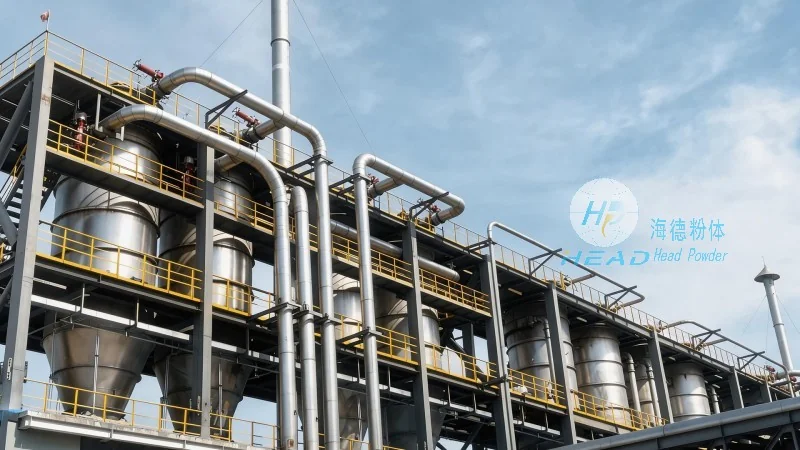
The desulfurization fly ash pneumatic conveying system is widely used in thermal power plants, industrial facilities, and waste management sites where fly ash needs to be transported from the desulfurization unit to storage or disposal areas. The system is typically installed as part of the plant's material handling infrastructure, with the ash collection hopper located near the desulfurization reactor and the discharge hopper or silo positioned at a suitable location for further processing or disposal.
The implementation of the system involves careful planning and design to ensure that it meets the specific requirements of the plant. This includes selecting the appropriate air compressor or blower, determining the optimal pipeline layout and diameter, and ensuring that all components are compatible with the characteristics of the fly ash. Proper installation and maintenance are also crucial to ensure the long-term performance and reliability of the system.
The pneumatic conveying system for desulfurization fly ash is a critical component in the material handling infrastructure of power plants and industrial facilities. Its efficient design and operational principles enable the safe and reliable transport of fly ash, contributing to the overall environmental compliance and operational efficiency of the plant. By understanding the structure and working principle of this system, plant operators and engineers can make informed decisions about its implementation and maintenance, ensuring optimal performance and longevity.

 Shandong Headpowder Engineering Co., Ltd.
 156-6277-7102(Manager Zhang)
  0531-83386006
  Zhangqiu District, Jinan City, Shandong Province, China
telephone
WeChatconsult
top