With more than 10‑year industry experience, Shandong Headpowder delivers full‑service pneumatic‑conveying systems and blowers, undertaking nationwide turn‑key powder‑handling projects.
High-temperature ash pneumatic conveying systems are critical components in industrial processes, particularly in power plants and other facilities that generate significant amounts of ash. These systems are designed to efficiently transport hot ash from its source to a disposal or processing location, ensuring safety and operational efficiency. The following overview details the key aspects of such systems, including their structure and working principles.
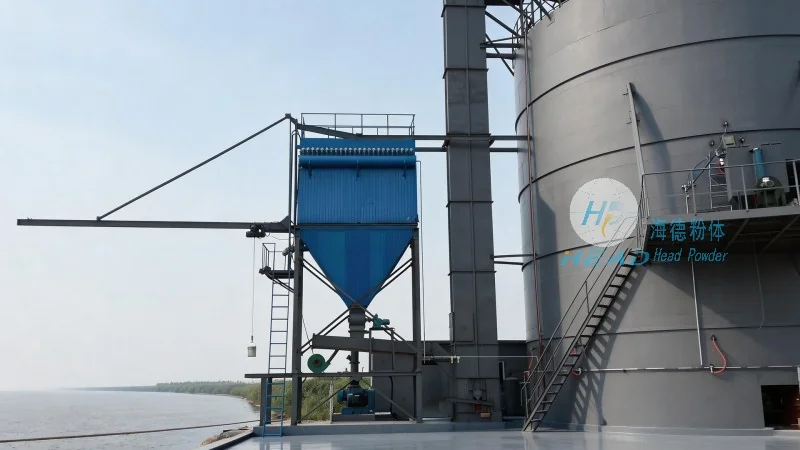
High-temperature ash pneumatic conveying systems are engineered to handle the unique challenges posed by hot ash, which can reach temperatures of several hundred degrees Celsius. The primary goal is to move this material without causing damage to the conveying equipment or compromising the safety of the operation. These systems are typically used in coal-fired power plants, where ash is a byproduct of combustion and must be managed effectively.
The high-temperature ash pneumatic conveying system consists of several interconnected components that work together to achieve efficient material transport. The main parts include the ash hopper, the air compressor or blower, the conveying line, and the discharge unit. Each component plays a vital role in the overall operation.
The ash hopper is the initial collection point where ash is gathered before being conveyed. It is designed to withstand high temperatures and is often equipped with insulation to prevent heat loss and maintain the ash's temperature. The hopper is connected to the conveying line via a feed valve, which controls the flow of ash into the system.
The air compressor or blower is the heart of the pneumatic conveying system. It generates the necessary air pressure to move the ash particles through the conveying line. High-temperature systems may use specialized compressors that are resistant to heat and corrosion, ensuring reliable operation under demanding conditions.
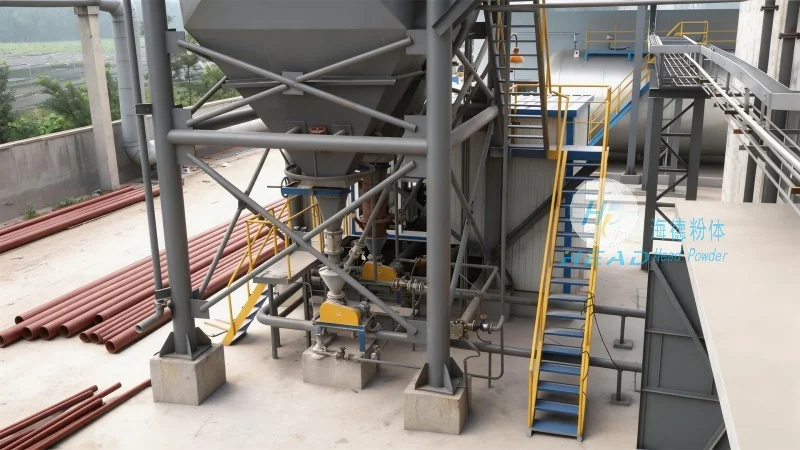
The conveying line is typically made of durable materials such as stainless steel or heat-resistant plastic. It is designed to withstand the high temperatures of the ash and the pressure generated by the air flow. The line may include bends and elbows to direct the ash to the discharge point, and it is often equipped with insulation to minimize heat loss.
The discharge unit is the final component of the system, where the ash is released from the conveying line. It may include a hopper or a storage tank, depending on the application. The discharge unit is designed to handle the hot ash safely and efficiently, preventing any leakage or spillage.
The operation of the high-temperature ash pneumatic conveying system is based on the principle of pneumatic transport, where air is used to move solid particles. The process begins when the ash is fed from the hopper into the conveying line. The air compressor then supplies high-pressure air into the line, creating a flow that carries the ash particles along with it.
As the air and ash move through the conveying line, the particles are suspended in the air stream. The velocity of the air is carefully controlled to ensure that the ash particles remain in suspension and do not settle out of the line. The system is designed to maintain a consistent flow rate, which is crucial for efficient transport.
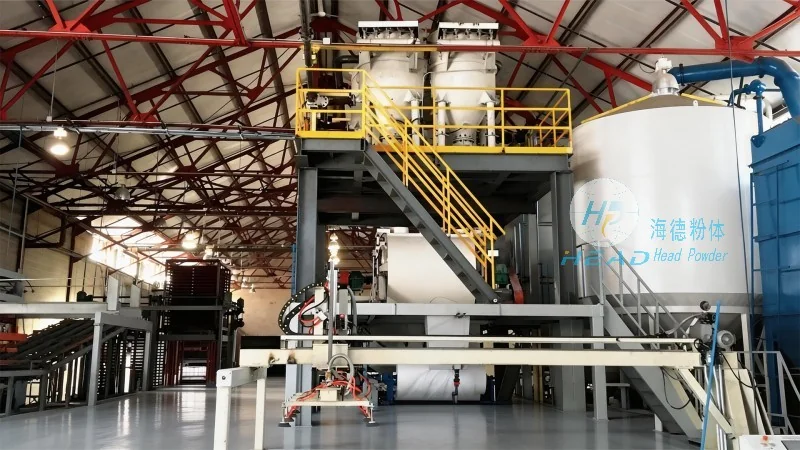
The conveying line leads the mixture of air and ash to the discharge unit, where the air is separated from the ash. This separation is typically achieved through a cyclone or a filter, which allows the air to exit while the ash is collected in the discharge hopper. The separated air may be recirculated back into the system to improve efficiency.
High-temperature ash pneumatic conveying systems offer several advantages over traditional methods of ash transport, such as mechanical conveyors or gravity systems. One of the main advantages is the ability to transport ash over long distances without the need for multiple transfer points. This reduces the risk of ash spillage and improves overall operational efficiency.
Another advantage is the reduced maintenance requirements compared to mechanical systems. Pneumatic systems have fewer moving parts, which means less wear and tear and lower maintenance costs. Additionally, the system can be easily adjusted to handle different ash compositions and temperatures, making it versatile for various industrial applications.
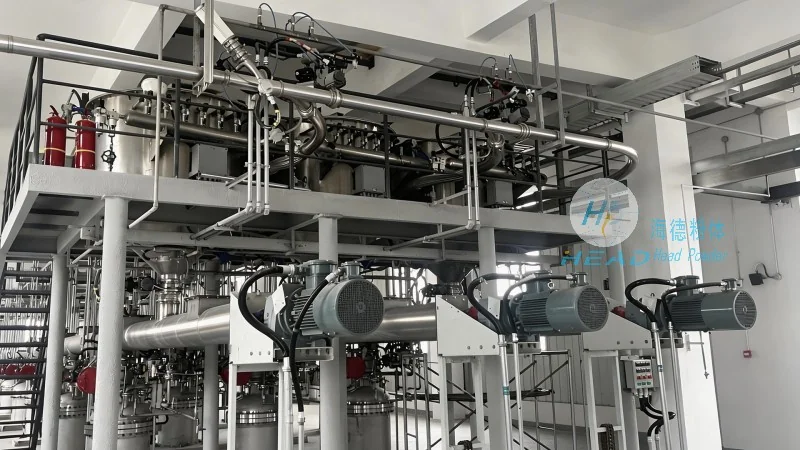
The use of high-temperature ash pneumatic conveying systems also contributes to improved safety in industrial facilities. By eliminating the need for manual handling of hot ash, the risk of burns and other injuries is significantly reduced. The system also helps to minimize dust emissions, as the ash is contained within the conveying line and is only released at the discharge point.
High-temperature ash pneumatic conveying systems are widely used in various industries, particularly in power generation and waste management. They are commonly employed in coal-fired power plants, where ash is a significant byproduct that must be disposed of or recycled. The systems are also used in other facilities that generate hot ash, such as incineration plants and industrial boilers.
In addition to power generation, these systems are used in the chemical and petrochemical industries, where hot ash or similar materials need to be transported from one processing unit to another. The versatility of the high-temperature ash pneumatic conveying system makes it suitable for a wide range of applications, from small-scale operations to large industrial facilities.
High-temperature ash pneumatic conveying systems are essential for the efficient and safe management of hot ash in industrial processes. By understanding the structure and working principles of these systems, users can make informed decisions about their application and maintenance. The systems offer numerous advantages, including long-distance transport, reduced maintenance, and improved safety, making them a preferred choice for many industries.

 Shandong Headpowder Engineering Co., Ltd.
 156-6277-7102(Manager Zhang)
  0531-83386006
  Zhangqiu District, Jinan City, Shandong Province, China
telephone
WeChatconsult
top