With more than 10‑year industry experience, Shandong Headpowder delivers full‑service pneumatic‑conveying systems and blowers, undertaking nationwide turn‑key powder‑handling projects.
Ammonia fertilizer is a critical component in modern agricultural practices, and efficient handling and transportation of this material is essential for both productivity and safety. The ammonia fertilizer pneumatic conveying system is a specialized solution designed to address these needs, offering a reliable method for moving bulk ammonia fertilizer from storage to processing or application areas. This article provides an overview of the ammonia fertilizer pneumatic conveying system, detailing its structure and operational principles.
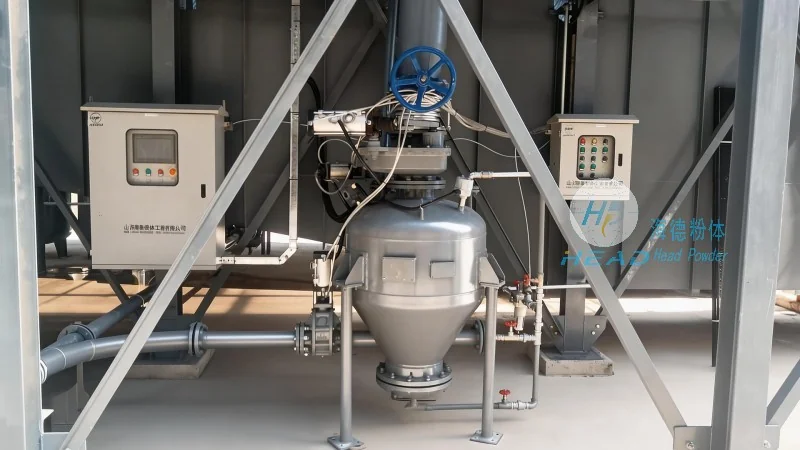
Ammonia fertilizer, often in the form of anhydrous ammonia or ammonium-based compounds, requires careful handling due to its chemical properties and potential hazards. Traditional methods of transporting such materials, such as manual handling or mechanical conveyors, may pose risks related to exposure and operational inefficiencies. The pneumatic conveying system provides a solution by using air pressure to move the fertilizer through a sealed pipeline system, minimizing direct contact and ensuring a controlled environment.
The ammonia fertilizer pneumatic conveying system consists of several key components that work in concert to facilitate the movement of the material. These components include the hopper or feed hopper, which holds the ammonia fertilizer and regulates the flow into the system. The feed hopper is typically equipped with a rotary valve or feeder to ensure a consistent and controlled discharge of the material.
Next in the system is the conveying line, which is a sealed pipeline that transports the fertilizer from the feed hopper to the discharge point. The pipeline is often made of materials resistant to ammonia, such as stainless steel or specialized plastic composites, to prevent corrosion and maintain integrity. The conveying line may include bends, elbows, and straight sections, with appropriate fittings to ensure smooth flow and minimize pressure loss.
A critical component is the air compressor or blower, which generates the necessary air pressure to move the fertilizer particles through the pipeline. The compressor is typically sized to handle the specific flow rate and pressure requirements of the system, ensuring efficient operation without excessive energy consumption. The air flow is controlled by a regulator or control valve to maintain consistent pressure and prevent overpressurization.
At the discharge end of the system, a receiver or storage tank is used to collect the conveyed ammonia fertilizer. The receiver may be equipped with a vent or pressure relief valve to manage any excess pressure and ensure safe operation. Additionally, the system may include a filter or separator to remove any air or debris from the fertilizer, ensuring the material is delivered in a clean and consistent state.
The operation of the ammonia fertilizer pneumatic conveying system is based on the principle of air suspension, where the fertilizer particles are suspended in a stream of air and transported through the pipeline. The process begins with the fertilizer being fed from the hopper into the conveying line. As the air compressor generates pressure, the air flows through the line, creating a flow that lifts and moves the fertilizer particles.
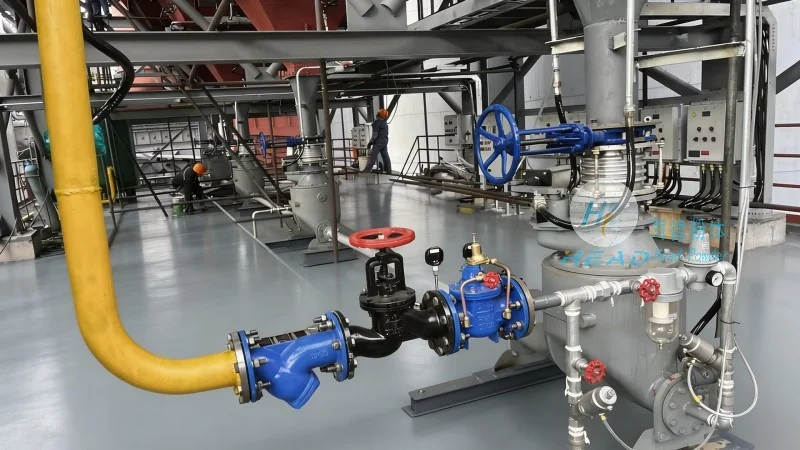
The velocity of the air in the pipeline is a key factor in the system's efficiency. The air velocity must be sufficient to keep the fertilizer particles suspended and prevent them from settling or clogging the pipeline. This velocity is typically determined by the size and density of the fertilizer particles, as well as the length and diameter of the conveying line. Proper design of the system ensures that the air velocity remains within the optimal range for effective conveying.
As the fertilizer moves through the pipeline, it may encounter bends or changes in direction. The system is designed with appropriate fittings and flow control devices to minimize pressure loss and maintain consistent flow. The air and fertilizer mixture is then directed to the discharge point, where the fertilizer is collected in the receiver. The air may be filtered and recycled back to the compressor to improve energy efficiency and reduce waste.
There are several advantages to implementing an ammonia fertilizer pneumatic conveying system in agricultural or industrial settings. One of the primary benefits is improved safety, as the system minimizes direct human contact with the ammonia fertilizer, reducing the risk of exposure to harmful chemicals. Additionally, the sealed pipeline design prevents dust and fumes from escaping into the environment, contributing to better air quality and compliance with environmental regulations.
Efficiency is another significant advantage of the pneumatic conveying system. By using air pressure to move the material, the system can achieve high throughput rates with minimal labor requirements. The consistent flow and controlled environment also reduce the risk of material loss or contamination, ensuring that the fertilizer is delivered in optimal condition for use.
Flexibility is a key feature of the system, as it can be configured to handle different types of ammonia fertilizer and varying flow rates. The modular design allows for easy expansion or modification as operational needs change, making it a versatile solution for various applications. Additionally, the system can be integrated with other processing equipment, such as mixing or packaging systems, to create a comprehensive fertilizer handling solution.
The ammonia fertilizer pneumatic conveying system is widely used in various industries, particularly in agriculture and chemical manufacturing. In agricultural settings, the system is commonly employed in fertilizer production facilities, where it is used to transport raw materials to processing units or to move finished products to storage or distribution centers.
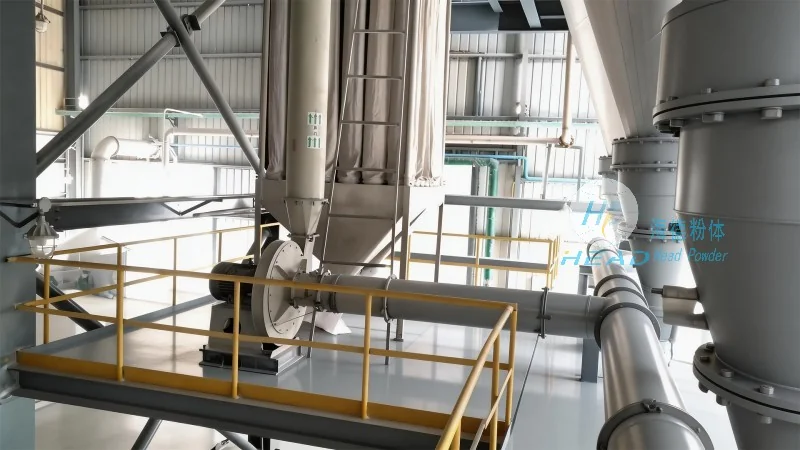
In chemical manufacturing, the system is used to handle ammonia-based compounds in production processes, such as the synthesis of nitrogen-based fertilizers or other chemical products. The system's ability to handle bulk materials efficiently and safely makes it a preferred choice for these applications.
Other industries that may benefit from the ammonia fertilizer pneumatic conveying system include food processing, where ammonia may be used as a refrigerant or processing aid, and industrial cleaning, where ammonia-based solutions are used for cleaning equipment. The system's versatility and reliability make it suitable for a wide range of applications where bulk material handling is required.
Proper installation and regular maintenance are crucial for the optimal performance and longevity of the ammonia fertilizer pneumatic conveying system. The system should be installed by qualified professionals who are familiar with the specific requirements of handling ammonia fertilizer and pneumatic conveying systems.
During installation, it is important to ensure that all components are properly aligned and connected to prevent leaks or pressure losses. The pipeline should be checked for any damage or corrosion, and the air compressor should be sized appropriately for the system's requirements. Proper grounding and electrical connections are also essential to ensure safe operation.
Maintenance of the system involves regular inspection of components such as the feed hopper, conveying line, and air compressor. The rotary valve or feeder should be checked for wear and replaced as needed to maintain consistent flow. The pipeline should be cleaned periodically to remove any buildup of fertilizer or debris, which can affect the system's efficiency. The air compressor should be serviced according to the manufacturer's recommendations to ensure optimal performance and prevent breakdowns.
The ammonia fertilizer pneumatic conveying system is a highly effective and reliable solution for the transportation of bulk ammonia fertilizer. By understanding its structure and working principles, users can appreciate the benefits it offers in terms of safety, efficiency, and flexibility. When properly installed and maintained, this system can significantly improve the overall performance of fertilizer handling operations, contributing to increased productivity and reduced operational risks.

 Shandong Headpowder Engineering Co., Ltd.
 156-6277-7102(Manager Zhang)
  0531-83386006
  Zhangqiu District, Jinan City, Shandong Province, China
telephone
WeChatconsult
top