With more than 10‑year industry experience, Shandong Headpowder delivers full‑service pneumatic‑conveying systems and blowers, undertaking nationwide turn‑key powder‑handling projects.
Positive pressure pneumatic conveying is a key technology in material handling, offering efficient and flexible solutions for transporting bulk materials. This article provides an overview of the technology, focusing on its structural components and operational principles. The information is presented by Shandong HeadPowder Engineering Co., Ltd., a leading provider in the field, based in Shandong, China.
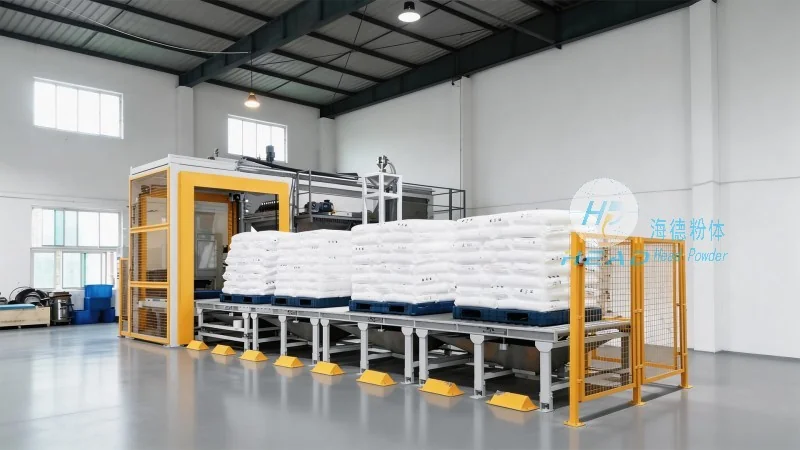
Positive pressure pneumatic conveying systems operate by using compressed air to move materials through a closed pipeline network. Unlike negative pressure systems, which create a vacuum to draw materials in, positive pressure systems push materials forward with pressurized air. This method is particularly effective for transporting dry, free-flowing powders and granules over long distances with minimal product degradation.
The effectiveness of a positive pressure system relies on several critical components that work in concert to ensure reliable material transport. These components include the air compressor, which generates the necessary pressure; the material feed hopper, which holds the bulk material and allows for controlled discharge; the conveying line, typically made of stainless steel or other corrosion-resistant materials to prevent material contamination; and the control valves, which regulate air flow and material discharge. Additionally, the system may incorporate filters and cyclones to separate the material from the air stream, ensuring clean air is released and the material is collected efficiently.
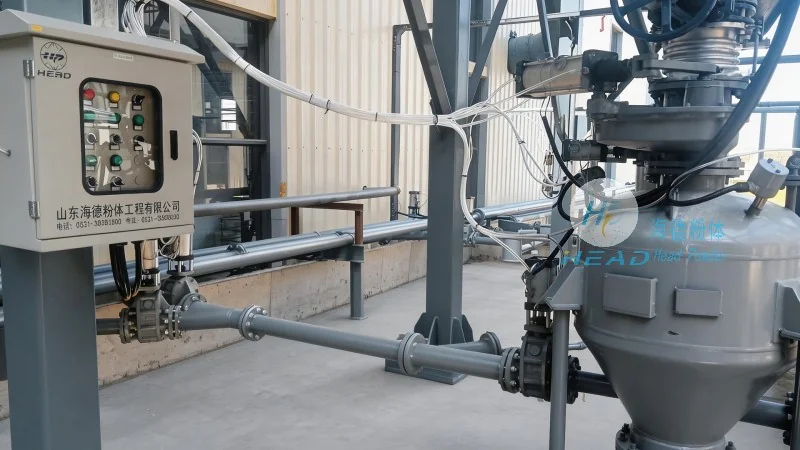
The operational principle of a positive pressure system is straightforward yet highly effective. The process begins with the material being fed into the hopper from a storage silo or bin. As the material accumulates, it is discharged into the conveying line under the pressure of the compressed air. The air, which is typically filtered to remove contaminants, is introduced at the discharge end of the hopper or directly into the conveying line. This pressurized air creates a flow that propels the material through the pipeline, overcoming resistance and ensuring consistent transport. The system can handle various material types, including powders, granules, and even some bulk solids, making it versatile for different industrial applications.
Positive pressure pneumatic conveying offers several advantages over other material handling methods. One of the primary benefits is its ability to transport materials over long distances with minimal maintenance. The closed system design prevents dust emissions and contamination, which is crucial for industries where product purity is essential, such as pharmaceuticals, food processing, and chemical manufacturing. Additionally, the system can handle a wide range of material properties, from fine powders to larger granules, without requiring significant modifications. The flexibility of the system allows for easy integration into existing production lines, reducing downtime and increasing operational efficiency.
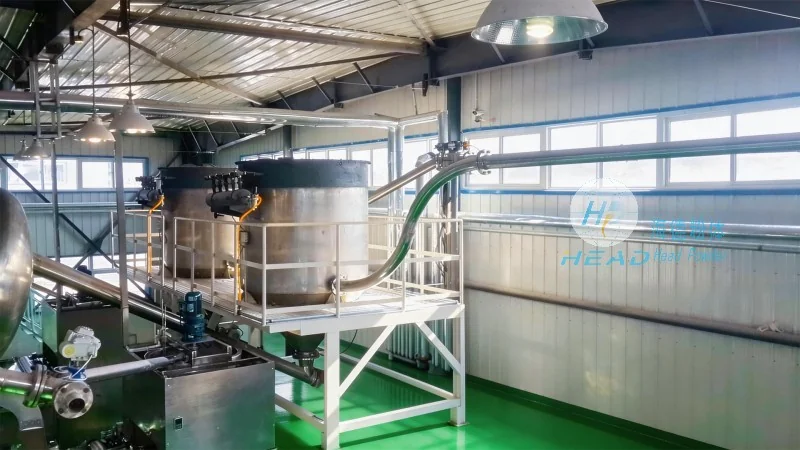
The versatility of positive pressure pneumatic conveying makes it suitable for a wide array of industrial applications. In the pharmaceutical industry, it is used to transport active pharmaceutical ingredients (APIs) and excipients with high precision, ensuring that the materials remain sterile and free from contamination. In the food industry, the system is employed to handle dry ingredients like flour, sugar, and spices, maintaining product quality and safety standards. The chemical industry utilizes positive pressure systems to transport powders and granules in processes involving hazardous materials, where containment and safety are paramount. Other applications include the mining and mining-related industries, where it is used to transport raw materials from processing plants to storage facilities, and in the agricultural sector, for handling grain and other bulk agricultural products.
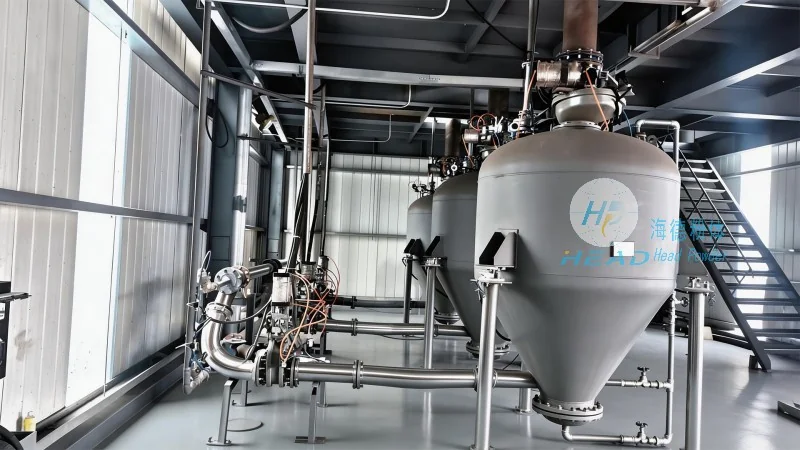
Proper installation and regular maintenance are essential for the optimal performance of a positive pressure pneumatic conveying system. Installation requires careful planning to ensure that the pipeline layout minimizes pressure losses and avoids sharp bends or restrictions that could impede material flow. The system should be installed with appropriate supports to prevent sagging and maintain alignment. Regular maintenance involves checking the air compressor for proper operation, inspecting the conveying line for leaks or damage, and cleaning the filters and cyclones to prevent clogging. Additionally, the material feed hopper should be checked for material buildup or blockages, which can affect the system's efficiency. By adhering to a regular maintenance schedule, users can extend the lifespan of the equipment and ensure consistent performance.
Positive pressure pneumatic conveying is a reliable and efficient technology for transporting bulk materials in various industrial applications. Its closed system design, combined with the ability to handle a wide range of materials, makes it an ideal solution for industries where product purity, safety, and operational efficiency are critical. Shandong HeadPowder Engineering Co., Ltd. specializes in providing high-quality positive pressure pneumatic conveying systems, tailored to meet the specific needs of its clients. With a focus on innovation and customer satisfaction, the company continues to advance the technology, offering solutions that enhance productivity and reduce operational costs for its customers.

 Shandong Headpowder Engineering Co., Ltd.
 156-6277-7102(Manager Zhang)
  0531-83386006
  Zhangqiu District, Jinan City, Shandong Province, China
telephone
WeChatconsult
top