With more than 10‑year industry experience, Shandong Headpowder delivers full‑service pneumatic‑conveying systems and blowers, undertaking nationwide turn‑key powder‑handling projects.
HeadPowder, a professional manufacturer based in Shandong, China, specializes in the design, production, and installation of pneumatic conveying systems for various powder materials, including river sand. This article provides a detailed overview of the operation process and working principle of a typical river sand powder pneumatic conveying line, highlighting the key components, operational steps, and technical considerations that ensure efficient and reliable material transport.
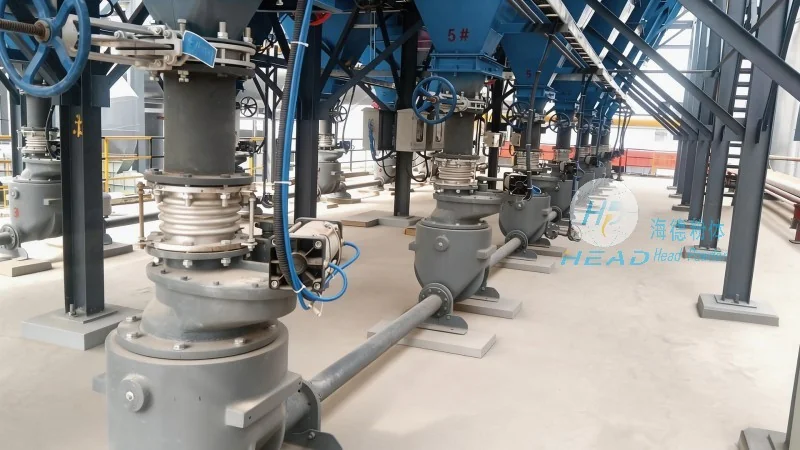
The river sand powder pneumatic conveying line typically consists of several essential components that work in tandem to achieve the desired material transport. The primary components include the material hopper, feeder, air compressor, conveying pipeline, dust collector, and discharge hopper. Each component plays a crucial role in the overall system performance and efficiency.
The material hopper is designed to store the river sand powder and maintain a consistent feed rate. It is equipped with a level indicator to monitor the material level and ensure proper feeding. The feeder, often a rotary valve or a screw feeder, regulates the flow of river sand from the hopper into the conveying pipeline. The air compressor generates the necessary air pressure to move the powder through the pipeline, with the pressure level adjusted based on the material characteristics and pipeline length.
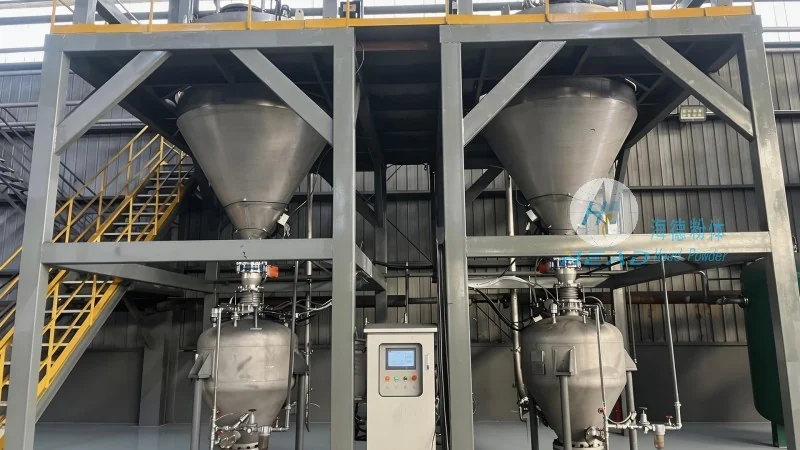
The conveying pipeline is made of durable materials such as stainless steel or PVC, which are resistant to corrosion and abrasion from the river sand particles. The pipeline layout is carefully designed to minimize pressure drop and ensure smooth material flow. The dust collector is integrated to capture any airborne particles, ensuring compliance with environmental regulations and maintaining a clean working environment. The discharge hopper collects the transported river sand at the destination, allowing for easy handling and storage.
The operation of the river sand powder pneumatic conveying line follows a systematic sequence of steps to ensure efficient material transport. The process begins with the loading of river sand into the material hopper. The feeder then starts to regulate the flow of powder into the conveying pipeline, while the air compressor maintains the required air pressure. As the air flows through the pipeline, it entrains the river sand particles, creating a slurry-like mixture that moves towards the discharge point.
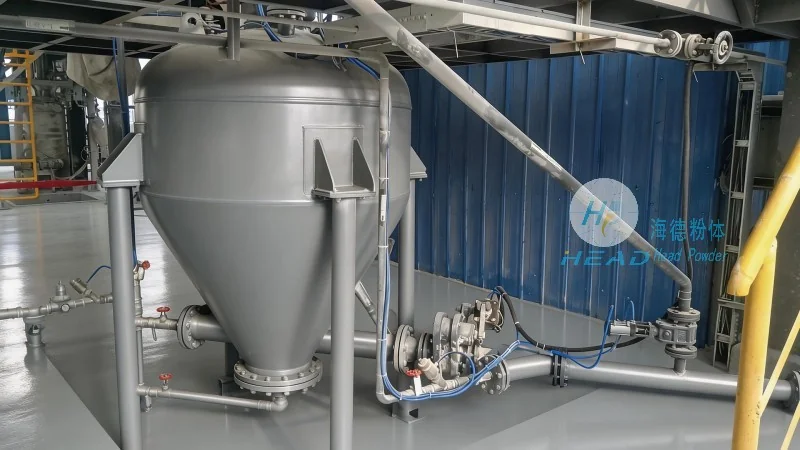
During the conveying process, the system continuously monitors key parameters such as air pressure, flow rate, and material level. Any deviations are immediately detected and adjusted by the control system to maintain optimal performance. The dust collector operates in parallel, capturing any particles that escape from the pipeline and preventing them from entering the environment. Once the river sand reaches the discharge hopper, the air pressure is reduced, allowing the material to settle and be collected for further use.
The entire operation is automated, with the control system managing all components to ensure smooth and continuous transport. This automation reduces the need for manual intervention, minimizes operational errors, and enhances overall system reliability. The system can be adjusted to handle varying feed rates and material characteristics, making it versatile for different industrial applications.
The working principle of the river sand powder pneumatic conveying line is based on the principle of fluidization and particle entrainment. The air compressor supplies high-pressure air into the conveying pipeline, which creates a flow that lifts and transports the river sand particles. The air velocity within the pipeline is maintained above the minimum fluidization velocity of the powder, ensuring that the particles remain suspended and move with the air stream.
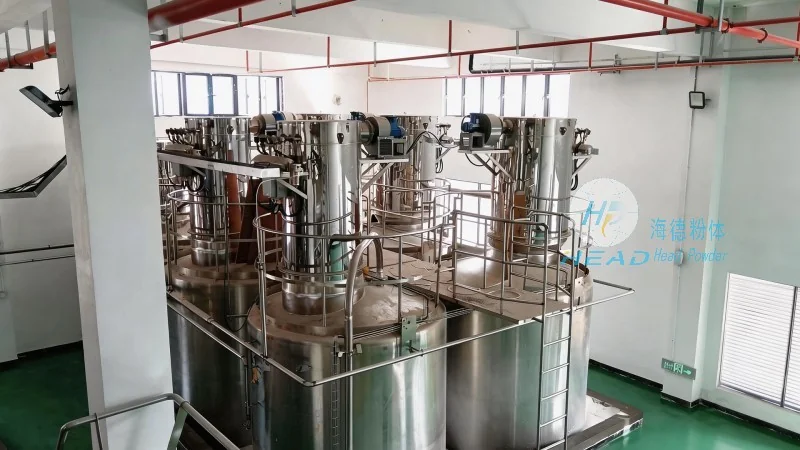
This principle allows for the efficient transport of river sand over long distances without the need for mechanical components such as belts or buckets. The pneumatic system eliminates the need for multiple transfer points and reduces the risk of material contamination, as the entire process is enclosed and controlled. The system also provides flexibility in terms of pipeline layout, as the pipeline can be configured to follow complex routes and adapt to different site conditions.
The efficiency of the pneumatic conveying system is influenced by several factors, including the particle size distribution of the river sand, the air pressure, and the pipeline diameter. Proper design and maintenance of the system are crucial to ensure optimal performance and minimize energy consumption. Regular inspection and maintenance of the components, such as the air compressor and dust collector, are essential to prevent breakdowns and extend the system's lifespan.

 Shandong Headpowder Engineering Co., Ltd.
 156-6277-7102(Manager Zhang)
  0531-83386006
  Zhangqiu District, Jinan City, Shandong Province, China
telephone
WeChatconsult
top