With more than 10‑year industry experience, Shandong Headpowder delivers full‑service pneumatic‑conveying systems and blowers, undertaking nationwide turn‑key powder‑handling projects.
HeadPowder, a leading provider of industrial material handling solutions, specializes in the design and manufacturing of advanced pneumatic conveying systems. The small bag quantitative feeding line is a critical component in many bulk material processing applications, enabling precise and efficient transfer of powders and granules from storage to processing equipment. This system integrates several key technologies to ensure accurate dosing and reliable material transport, making it an essential tool for industries such as pharmaceuticals, food processing, and chemical manufacturing.
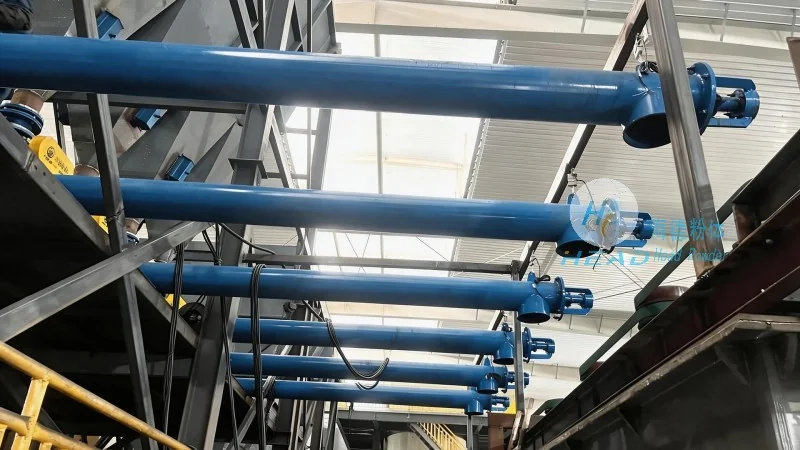
HeadPowder is headquartered in Shandong, China, and has established itself as a trusted name in the material handling industry. With years of experience in engineering and manufacturing, the company focuses on delivering high-quality, customized solutions that meet the specific needs of its clients. The small bag quantitative feeding pneumatic conveying line is a product line that reflects HeadPowder's commitment to precision, reliability, and innovation in material handling technology.
The small bag quantitative feeding line typically consists of several interconnected components that work together to achieve accurate material transfer. The primary components include a small bag hopper, a dosing valve, a pneumatic conveying pipeline, and a receiver or processing unit. Each component plays a crucial role in the overall operation of the system.
The small bag hopper is designed to store the bulk material, such as powders or granules, in a compact and efficient manner. It is equipped with a feeding mechanism that allows for the controlled release of material into the dosing valve. The dosing valve, often a rotary valve or a gravimetric feeder, is responsible for measuring and dispensing the required amount of material. This component ensures that the material is fed at a consistent rate, minimizing variations in the final product.
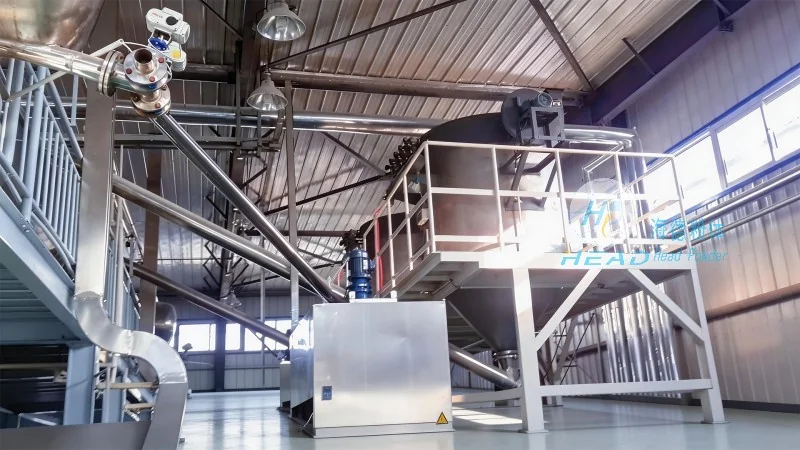
The pneumatic conveying pipeline is the core of the system, responsible for transporting the material from the dosing valve to the receiver. The pipeline is typically made of stainless steel or other corrosion-resistant materials to ensure durability and hygiene, especially in industries like food and pharmaceuticals. The conveying process relies on compressed air or other gases to create a flow of material through the pipeline, ensuring efficient and reliable transport.
The receiver or processing unit is the final destination of the material, where it is collected and prepared for further processing. This component may include a hopper, a mixer, or other equipment depending on the specific application. The receiver is designed to handle the material safely and efficiently, ensuring that the entire system operates smoothly and without interruption.
The operation of the small bag quantitative feeding line involves several steps that are carefully coordinated to ensure accurate and consistent material transfer. The process begins with the loading of the small bag hopper with the bulk material. The material is then fed into the dosing valve, which measures and dispenses the required amount of material. The dosing valve controls the flow rate of the material, ensuring that the correct quantity is delivered to the pneumatic conveying pipeline.
Once the material is in the pipeline, compressed air is introduced to create a flow. The air and material mixture travels through the pipeline to the receiver, where the material is collected. The receiver may be equipped with a venting system to remove excess air and maintain proper pressure. The entire process is monitored and controlled by a system of sensors and controls, ensuring that the operation is efficient and reliable.
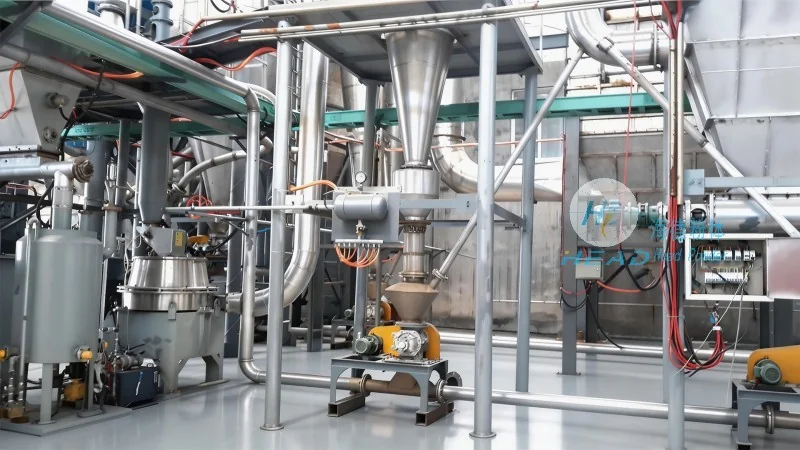
The system operates in a continuous or batch mode, depending on the specific requirements of the application. In continuous mode, the material is fed at a constant rate, providing a steady supply to the processing equipment. In batch mode, the system is used to transfer a specific quantity of material, often for batch processing or quality control purposes. The flexibility of the system allows it to adapt to a wide range of industrial applications.
The working principle of the small bag quantitative feeding line is based on the principles of pneumatic conveying, where compressed air is used to transport bulk materials. The system operates by creating a pressure differential between the hopper and the receiver, which drives the material through the pipeline. The dosing valve plays a critical role in controlling the flow rate of the material, ensuring that the correct amount is delivered to the pipeline.
The pneumatic conveying process involves the creation of a "slip flow" where the material particles are suspended in the air stream. This allows for efficient transport of the material, minimizing the risk of clogging or blockages in the pipeline. The system is designed to handle a wide range of materials, including fine powders, granules, and even abrasive materials, without causing damage to the equipment.

 Shandong Headpowder Engineering Co., Ltd.
 156-6277-7102(Manager Zhang)
  0531-83386006
  Zhangqiu District, Jinan City, Shandong Province, China
telephone
WeChatconsult
top