With more than 10‑year industry experience, Shandong Headpowder delivers full‑service pneumatic‑conveying systems and blowers, undertaking nationwide turn‑key powder‑handling projects.
This article provides a detailed overview of the operation process and working principle of the automatic quantitative powder pneumatic conveying line, a sophisticated system designed for efficient bulk material handling in industrial settings. The system is engineered by Shandong HeadPowder Engineering Co., Ltd., a leading manufacturer based in Shandong, China, with a focus on delivering reliable and precise material transportation solutions. The following sections will delve into the step-by-step operation of the line and the underlying principles that enable its functionality.
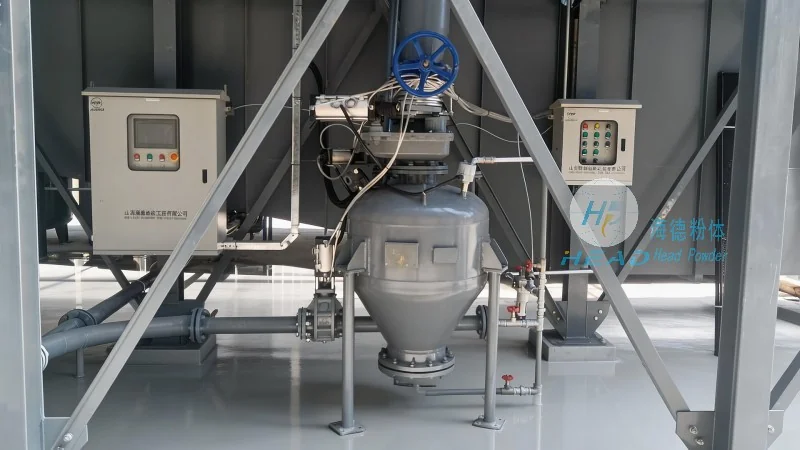
The automatic quantitative powder pneumatic conveying line consists of several core components that work in tandem to ensure seamless material transfer. These include a hopper for material storage, a feeder for controlled discharge, a pneumatic conveying pipeline, a receiver for material collection, and a control system for automated operation. The system is designed to handle various types of powders and bulk materials, such as cement, flour, and chemical powders, with high accuracy and minimal loss. The company, HeadPowder, has optimized each component to ensure durability, efficiency, and compliance with industrial standards.
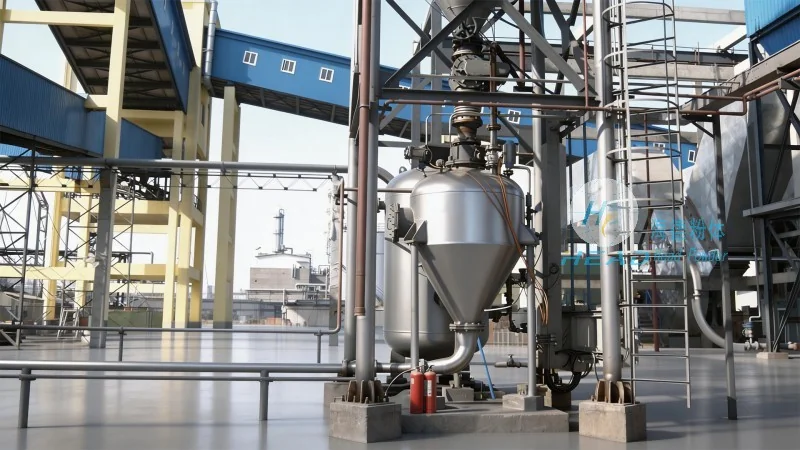
The operation of the automatic quantitative powder pneumatic conveying line follows a systematic sequence to achieve precise material delivery. The process begins with the loading of raw material into the hopper. The hopper is equipped with a level indicator to monitor the material level, ensuring that the system operates within safe limits. Once the material reaches a predetermined level, the feeder activates to discharge a controlled amount of powder into the pneumatic conveying pipeline. The feeder is typically a rotary valve or a screw feeder, which provides adjustable discharge rates to match the required output. The discharged powder is then mixed with compressed air in the pipeline, creating a slurry-like flow that propels the material forward. The conveying velocity and pressure are carefully controlled to prevent material degradation and ensure uniform flow.
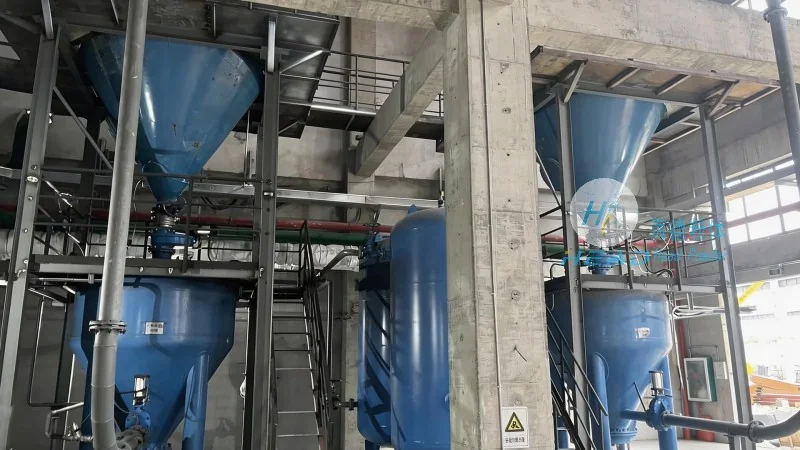
The working principle of the automatic quantitative powder pneumatic conveying line is based on the principles of pneumatic transport, where compressed air is used to move bulk materials through a pipeline. The system operates under positive pressure, meaning that the air pressure inside the pipeline is higher than the ambient air pressure. This pressure differential creates a force that drives the material particles forward. The air and material mixture travels through the pipeline, with the air acting as a carrier medium. The pipeline is designed with appropriate bends and fittings to minimize pressure loss and maintain consistent flow. At the receiving end, the material is separated from the air using a cyclone separator or a filter, and the air is either recirculated or vented to the atmosphere. The control system monitors key parameters such as pressure, flow rate, and material level, adjusting the operation in real-time to maintain optimal performance. This closed-loop control ensures that the system operates efficiently and reliably, minimizing downtime and maximizing productivity.
The automatic quantitative powder pneumatic conveying line offers several advantages over traditional material handling methods. It provides a dust-free and hygienic environment, which is crucial for industries such as food and pharmaceuticals. The system also reduces material loss and contamination, as the material is contained within the pipeline and handled in a controlled manner. Additionally, the automated operation minimizes human intervention, enhancing safety and reducing labor costs. The system is highly versatile and can be customized to meet the specific requirements of different industries. It is widely used in cement plants, flour mills, chemical factories, and other industrial facilities that require efficient bulk material transportation.
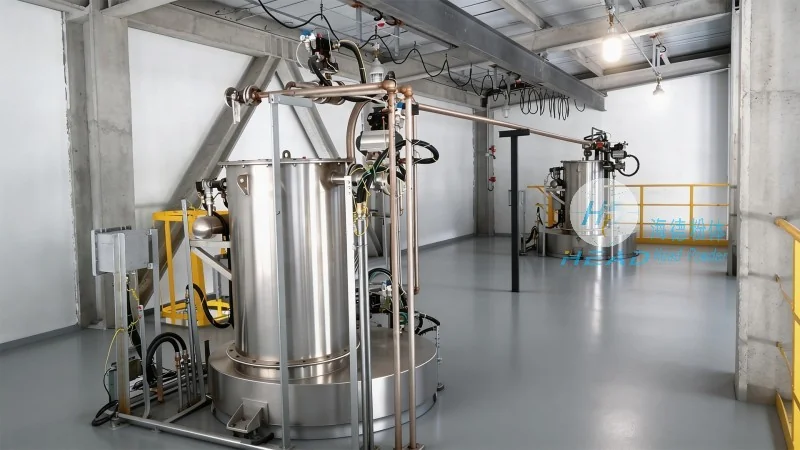
In conclusion, the automatic quantitative powder pneumatic conveying line is a highly efficient and reliable system for bulk material handling. The operation process involves a series of steps, from material loading to controlled discharge and pneumatic transport, all managed by an advanced control system. The working principle relies on the use of compressed air to move material through a pipeline, with careful control of pressure and flow to ensure optimal performance. The system, manufactured by Shandong HeadPowder Engineering Co., Ltd. in Shandong, China, offers numerous benefits, including dust-free operation, reduced material loss, and automated control. It is an essential component in modern industrial processes, enabling efficient and safe material transportation.

 Shandong Headpowder Engineering Co., Ltd.
 156-6277-7102(Manager Zhang)
  0531-83386006
  Zhangqiu District, Jinan City, Shandong Province, China
telephone
WeChatconsult
top