With more than 10‑year industry experience, Shandong Headpowder delivers full‑service pneumatic‑conveying systems and blowers, undertaking nationwide turn‑key powder‑handling projects.
Ammonium fertilizer powder pneumatic conveying equipment is a specialized system designed to transport bulk solid materials, such as ammonium-based fertilizers, through a pressurized or vacuum air stream. This technology is widely used in the agricultural and chemical industries to ensure efficient, safe, and reliable material handling. The equipment operates by utilizing air as the medium to move the powder, eliminating the need for mechanical components like belts or buckets that might cause contamination or damage to the product.
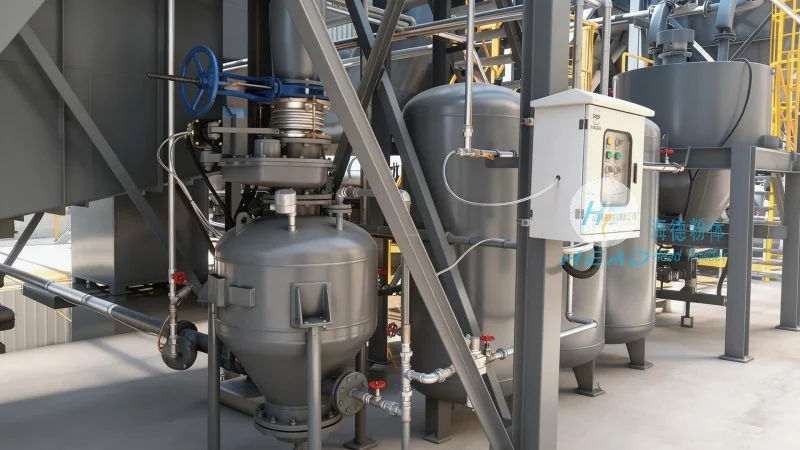
HeadPowder, a prominent manufacturer based in Shandong, China, specializes in developing and supplying advanced pneumatic conveying systems tailored for the fertilizer industry. The company's equipment is engineered to handle the unique characteristics of ammonium fertilizers, including their fine particle size, hygroscopic nature, and potential for dust generation. By integrating state-of-the-art components and control systems, the equipment ensures optimal performance while maintaining product integrity and environmental safety.
The core mechanism of the pneumatic conveying equipment involves the generation of a high-velocity air stream within a pipeline. This air stream can be created through either positive pressure (where air is forced into the system) or negative pressure (where air is drawn out, creating a vacuum). In the case of ammonium fertilizer, a positive pressure system is often preferred to prevent moisture absorption and maintain the material's quality. The air stream propels the powder particles forward, with the velocity and pressure maintained at levels that prevent particle separation or blockage in the pipeline. The system typically includes a hopper for material storage, a feeder to control the flow rate, a conveying line, and a receiver to collect the material at the destination. The control system monitors parameters like pressure, flow rate, and temperature to ensure smooth operation and prevent system failures.
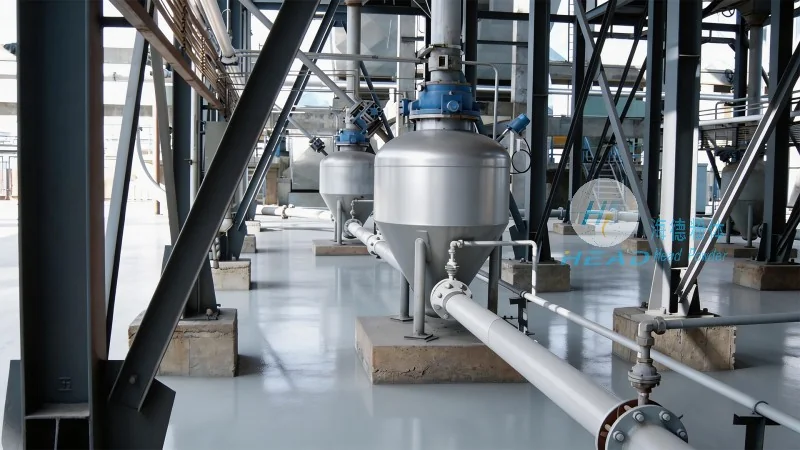
The operation of the ammonium fertilizer powder pneumatic conveying equipment follows a systematic process that ensures consistent and efficient material transport. Initially, the fertilizer is loaded into the hopper, which is equipped with a level indicator to monitor the material volume. The feeder, usually a rotary valve or a screw feeder, regulates the discharge rate from the hopper, ensuring a steady flow of powder into the conveying line. The air compressor or vacuum pump generates the necessary pressure or vacuum, which is then introduced into the pipeline through the air inlet. As the air flows through the conveying line, it carries the powder particles along, maintaining a uniform mixture to prevent segregation. The receiver at the end of the line collects the conveyed material, which can then be discharged into storage silos or directly into packaging equipment. The control panel continuously monitors key operational parameters, such as pressure differentials, air flow rates, and material flow rates, allowing for real-time adjustments to maintain optimal performance. In case of any anomalies, such as blockages or pressure drops, the system is equipped with safety features like alarms and automatic shut-off mechanisms to prevent damage to the equipment or product.
The pneumatic conveying system for ammonium fertilizers consists of several critical components, each playing a vital role in the overall operation. The hopper serves as the primary storage vessel, designed with a smooth interior to minimize material buildup and prevent caking. The feeder is responsible for controlling the material discharge rate, with adjustable settings to match the conveying capacity. The air compressor or vacuum pump provides the necessary energy to move the material, with options for variable speed control to adapt to different flow rates. The conveying line is typically made of corrosion-resistant materials, such as stainless steel or PVC, to withstand the chemical properties of the fertilizer and prevent degradation. The receiver is equipped with a dust collection system to capture any airborne particles, ensuring compliance with environmental regulations and maintaining a clean working environment. The control system integrates sensors and actuators to monitor and regulate the entire process, providing data for maintenance and operational optimization.
Implementing ammonium fertilizer powder pneumatic conveying equipment offers numerous benefits for agricultural and chemical companies. The primary advantage is the elimination of manual handling, reducing labor costs and minimizing the risk of product contamination or spills. The system also ensures consistent material flow, improving production efficiency and reducing downtime. Additionally, pneumatic conveying is a closed-loop process, which helps in controlling dust emissions and maintaining a safe working environment. The equipment's compact design allows for easy integration into existing production lines, and its low maintenance requirements contribute to long-term cost savings. By using air as the conveying medium, the system avoids the need for mechanical parts that might wear out or require frequent replacement, leading to lower operational costs over time. Furthermore, the ability to transport materials over long distances without the need for intermediate storage points enhances operational flexibility and reduces logistics costs.
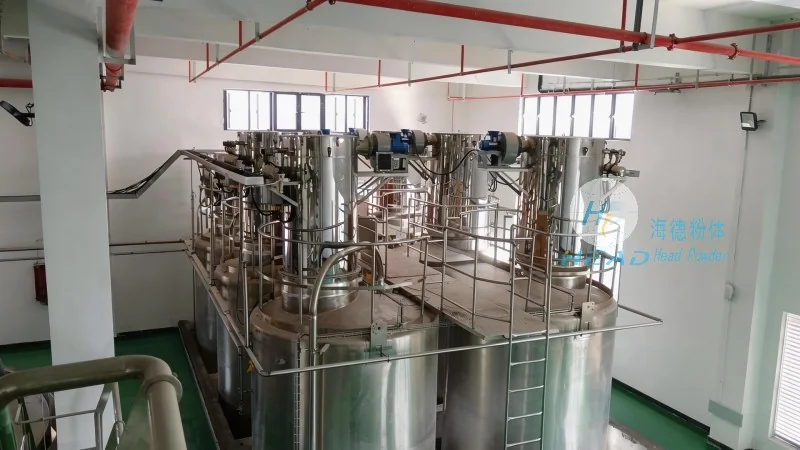
The ammonium fertilizer powder pneumatic conveying equipment is widely used in various applications within the fertilizer industry. It is commonly employed in fertilizer production plants to transport raw materials from storage silos to processing units, as well as in packaging facilities to move finished products to storage or shipping areas. The system is also utilized in agricultural supply chains, where it helps in distributing fertilizers from manufacturing sites to farms or distribution centers. The equipment's ability to handle large volumes of material efficiently makes it ideal for high-throughput operations, supporting the growing demand for ammonium-based fertilizers in modern agriculture. By improving the speed and reliability of material handling, the equipment contributes to increased productivity and reduced operational costs for companies in the sector. The technology also aligns with the industry's trend towards automation and process optimization, enabling businesses to stay competitive in a rapidly evolving market.
Ammonium fertilizer powder pneumatic conveying equipment, as developed by HeadPowder, represents a reliable and efficient solution for bulk material handling in the fertilizer industry. The system's working principle, based on pneumatic transport, ensures safe and effective movement of ammonium-based fertilizers while maintaining product quality and environmental standards. The step-by-step operation process, supported by advanced control systems, allows for seamless integration into existing production lines and easy maintenance. The key components, including the hopper, feeder, air compressor, and receiver, work in harmony to deliver consistent performance and long-term reliability. The benefits of this equipment, such as reduced labor costs, improved efficiency, and enhanced safety, make it a valuable asset for any fertilizer company. As the agricultural industry continues to evolve, advancements in pneumatic conveying technology, such as energy-efficient designs and smart control systems, will further enhance the equipment's capabilities, ensuring its continued relevance in the future of bulk material handling.

 Shandong Headpowder Engineering Co., Ltd.
 156-6277-7102(Manager Zhang)
  0531-83386006
  Zhangqiu District, Jinan City, Shandong Province, China
telephone
WeChatconsult
top