

Operation Process and Working Principle of Long-Distance Powder Pneumatic Conveying Equipment
Long-distance powder pneumatic conveying equipment is a critical component in modern industrial material handling systems, designed to transport bulk powders over extended distances with efficiency and reliability. The operation process and working principle of such equipment involve several key stages that ensure smooth and effective material transfer. This article will delve into the detailed operation process and the underlying working principles of long-distance powder pneumatic conveying systems, highlighting the technical aspects and practical applications.
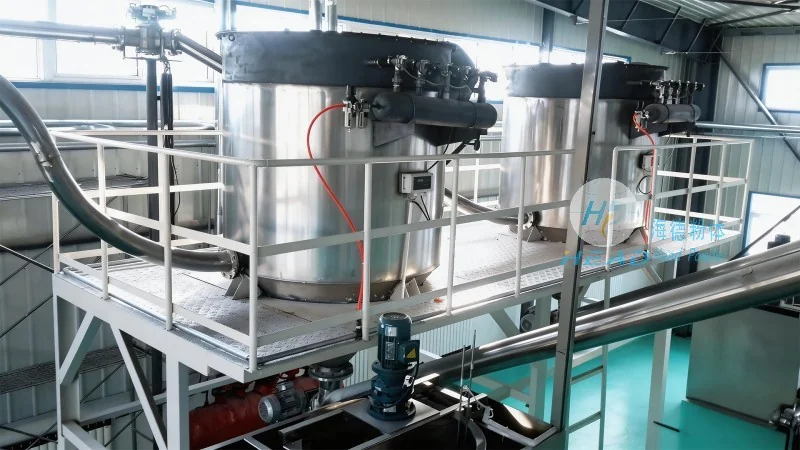
Overview of Long-Distance Powder Pneumatic Conveying Systems
Long-distance powder pneumatic conveying systems are engineered to handle the transportation of dry powders, granules, or fine particles from a source to a destination, often covering distances ranging from several hundred meters to several kilometers. These systems are widely used in industries such as food processing, pharmaceuticals, chemicals, and mining, where the need to move bulk materials without contamination or degradation is paramount. The core components of a typical long-distance powder pneumatic conveying system include a material hopper, a conveying line (often equipped with bends and straight sections), a dust collector, and a control system. Each component plays a vital role in the overall operation, ensuring that the material is conveyed safely and efficiently.
The Working Principle of Pneumatic Conveying
The fundamental working principle of long-distance powder pneumatic conveying is based on the use of compressed air or gas to create a flow that transports the material particles. There are two primary types of pneumatic conveying systems: pressure systems and vacuum systems. In pressure systems, compressed air is introduced at the material discharge point, creating a positive pressure that pushes the material through the conveying line. The material is then discharged at the receiving end, often through a pressure relief valve or a controlled outlet. In vacuum systems, a vacuum is created at the receiving end, drawing the material from the source through the conveying line. The choice between pressure and vacuum systems depends on factors such as the distance to be covered, the material characteristics, and the required flow rate.
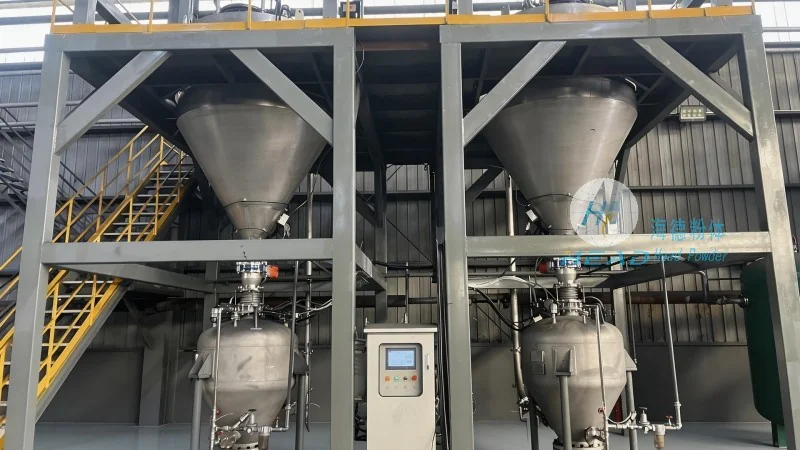
Key Components and Their Functions
Several key components are integral to the operation of long-distance powder pneumatic conveying equipment. The material hopper, or feed hopper, is responsible for storing and feeding the powder into the conveying line. It is typically equipped with a gate valve or a rotary valve to control the flow rate of the material. The conveying line, made of metal or plastic, is designed to withstand the pressure and temperature of the conveying medium and to minimize material buildup or blockages. Bends and straight sections are strategically placed along the line to guide the material flow and to maintain the velocity necessary for effective transportation. The dust collector, often a cyclone or a bag filter, is used to separate the material from the conveying air, preventing dust emissions and ensuring compliance with environmental regulations. The control system, which may include sensors, valves, and a programmable logic controller (PLC), monitors and regulates the operation of the system, ensuring optimal performance and safety.
Operation Process: From Material Loading to Discharge
The operation process of long-distance powder pneumatic conveying equipment involves several sequential steps. First, the material is loaded into the hopper from a storage silo or a bulk container. The hopper is then sealed to prevent dust leakage and to maintain the material's integrity. Next, the conveying line is pressurized (in pressure systems) or the vacuum is applied (in vacuum systems). The material is then discharged from the hopper into the conveying line, where it is carried by the air flow to the receiving end. At the receiving end, the material is discharged into a storage bin or a processing unit. The system is equipped with safety features, such as pressure relief valves and overpressure protection, to prevent damage to the equipment in case of blockages or other malfunctions. The control system continuously monitors the pressure, flow rate, and temperature of the system, adjusting the air flow as needed to maintain optimal operation.
Advantages and Applications of Long-Distance Powder Pneumatic Conveying
Long-distance powder pneumatic conveying systems offer several advantages over traditional material handling methods, such as belt conveyors or bucket elevators. These advantages include the ability to transport materials over long distances without the need for multiple transfer points, reduced risk of material contamination, and lower maintenance costs due to fewer moving parts. Additionally, pneumatic conveying systems can handle a wide range of material types, including abrasive or corrosive powders, and can be easily integrated with other processing equipment. The applications of long-distance powder pneumatic conveying are diverse and include the transportation of flour, cement, pharmaceutical powders, and chemical powders in various industrial settings.
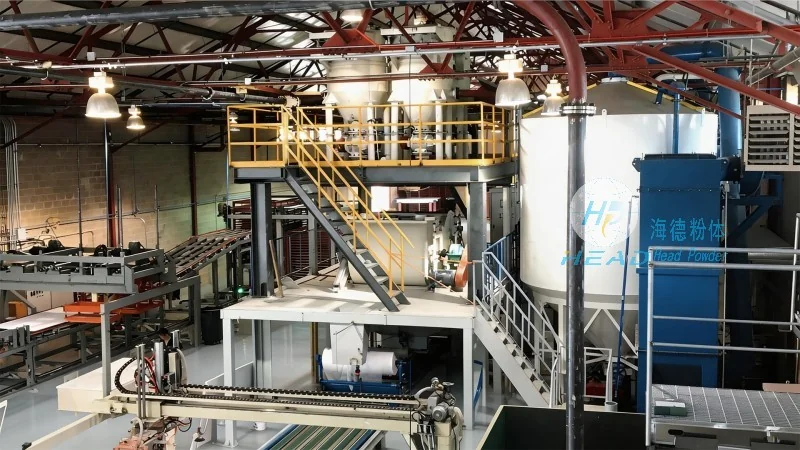
Maintenance and Troubleshooting
Proper maintenance is crucial to ensure the reliable operation of long-distance powder pneumatic conveying equipment. Regular maintenance tasks include cleaning the hopper and conveying line to prevent material buildup, inspecting the dust collector for clogs or damage, and checking the control system for proper functionality. Common issues that may arise during operation include blockages in the conveying line, pressure fluctuations, and air leaks. Blockages can be caused by material bridging or agglomeration, and can be resolved by adjusting the flow rate or using a vibratory feeder. Pressure fluctuations may indicate a problem with the air compressor or the control system, and should be addressed by checking the compressor settings and the sensor readings. Air leaks can reduce the efficiency of the system and increase energy consumption, and should be identified and repaired promptly.
Conclusion
Long-distance powder pneumatic conveying equipment is a sophisticated and efficient solution for transporting bulk powders over extended distances. The operation process and working principle of such equipment involve a combination of mechanical and pneumatic components that work together to ensure reliable material transfer. By understanding the key components, operation process, and maintenance requirements, users can optimize the performance of their long-distance powder pneumatic conveying systems and achieve efficient material handling in their industrial operations. Shandong HeadPowder Engineering Co., Ltd., a leading manufacturer of long-distance powder pneumatic conveying equipment, provides high-quality systems that meet the diverse needs of various industries, ensuring reliable and efficient material transportation.