Operation Process and Working Principle of Glass Fiber Cellulose Powder Pneumatic Conveying System
Release time:2026-09-21 06:01:39
name of the company:Shandong Headpowder Engineering Co., Ltd.
telephone:156-6277-7102
contacts:Manager Zhang
For industrial applications involving the handling of glass fiber cellulose powders, efficient and reliable material transport is crucial. The pneumatic conveying system designed by Shandong HeadPowder Engineering Co., Ltd. (referred to as HeadPowder) offers a sophisticated solution that ensures smooth operation and optimal performance. This article delves into the operation process and working principle of the glass fiber cellulose powder pneumatic conveying system, highlighting its key components, operational mechanisms, and the advantages it brings to material handling processes.
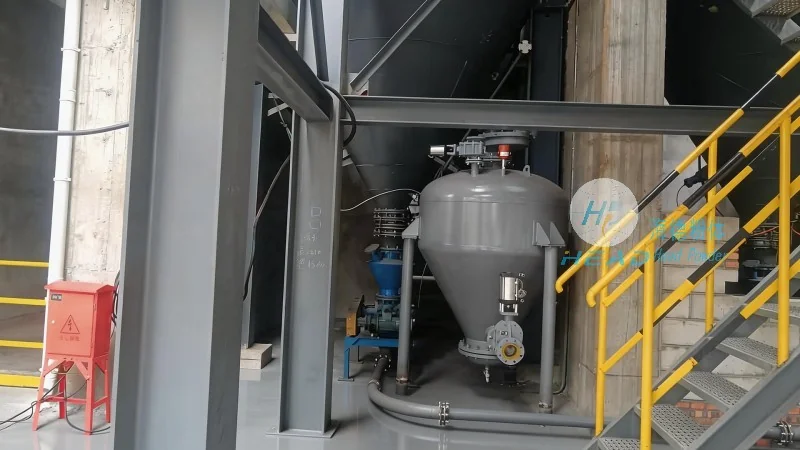
Overview of the Glass Fiber Cellulose Powder Pneumatic Conveying System
The glass fiber cellulose powder pneumatic conveying system is a specialized equipment used to transport glass fiber cellulose powders through a pipeline using air as the conveying medium. HeadPowder, a leading manufacturer based in Shandong, China, has developed this system to meet the high demands of industries such as construction, textiles, and chemical processing. The system is engineered to handle the unique properties of glass fiber cellulose powders, including their fine particle size, high density, and potential for dust generation, ensuring safe and efficient material transport.
Key Components of the Pneumatic Conveying System
The pneumatic conveying system for glass fiber cellulose powders consists of several critical components that work in tandem to achieve effective material transport. These components include:
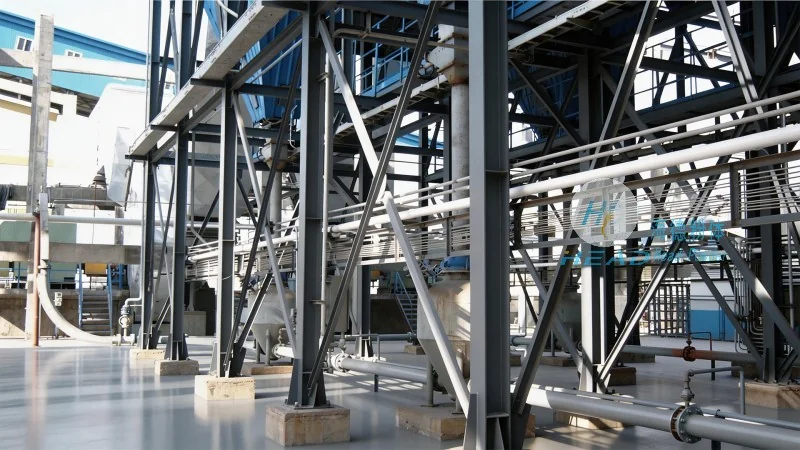
- Feed Hopper: This component is responsible for storing and feeding the glass fiber cellulose powder into the system. The hopper is designed with a suitable capacity to accommodate the required material volume and features a discharge valve to control the flow rate.
- Pneumatic Conveying Pipe: The pipeline is the main channel through which the powder and air mixture travels. It is typically made of corrosion-resistant materials like stainless steel to ensure durability and prevent contamination of the powder. The pipe diameter and length are carefully selected based on the material characteristics and conveying distance.
- Blower or Air Compressor: This is the power source that generates the air flow necessary for conveying the powder. The blower or compressor provides the required pressure and airflow rate to move the powder particles through the pipeline. HeadPowder selects appropriate equipment based on the system's capacity and the specific properties of the glass fiber cellulose powder.
- Control System: The control system monitors and regulates the operation of the conveying process. It includes sensors to measure pressure, flow rate, and material level, as well as control valves to adjust the air supply and powder feed. This ensures stable and consistent operation, preventing issues such as blockages or overloading.
- Receiver or Discharge Bin: The receiver is the final component where the conveyed powder is deposited. It is designed to collect the material and may include features like a dust collection system to maintain air quality and prevent dust emissions.
Operation Process of the Pneumatic Conveying System
The operation of the glass fiber cellulose powder pneumatic conveying system follows a systematic process that ensures efficient material transport. The steps involved are as follows:
- Material Loading: The glass fiber cellulose powder is loaded into the feed hopper from the storage silo or batch container. The hopper is equipped with a feeding mechanism, such as a screw feeder or rotary valve, to control the flow of powder into the system.
- Air Supply Initiation: The blower or air compressor is started, generating a flow of air through the conveying pipe. The air flow creates a negative pressure in the pipe, which draws the powder particles into the air stream.
- Powder Conveying: As the air flows through the pipe, it entrains the glass fiber cellulose powder particles, forming a mixture of air and powder. The mixture travels through the pipeline under the pressure and velocity provided by the blower. The system's design ensures that the powder particles are suspended and transported without settling or clogging.
- Material Deposition: The mixture reaches the receiver or discharge bin, where the air is separated from the powder. The powder is collected in the bin, while the air is either recirculated or discharged through a filtration system to prevent dust contamination.
- System Shutdown: After the material transport is complete, the system is shut down in the reverse order. The air supply is stopped first, followed by the powder feed mechanism. This sequence prevents any residual powder from being left in the system and ensures safe operation.
Working Principle of the Pneumatic Conveying System
The working principle of the glass fiber cellulose powder pneumatic conveying system is based on the fundamental concept of pneumatic transport, where air is used as the conveying medium to move solid particles. The key principles involved are:
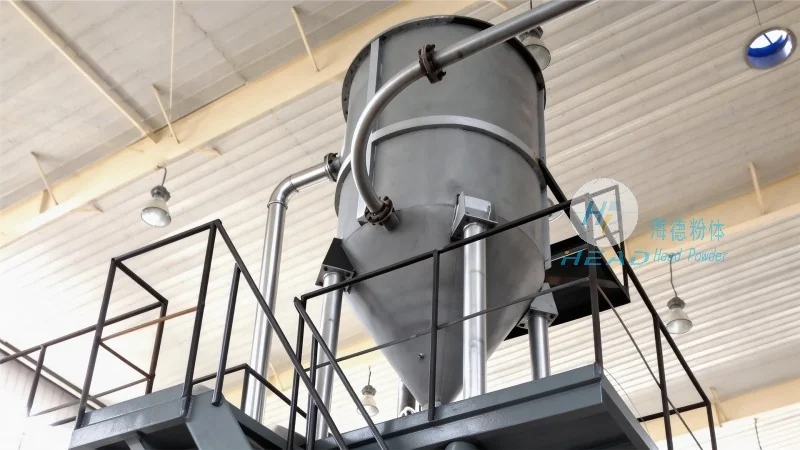
- Fluidization and Suspension: The air flow in the pipeline creates a fluidized state for the glass fiber cellulose powder particles. The velocity of the air is sufficient to keep the particles suspended and prevent them from settling or sticking to the pipe walls. This is achieved by maintaining an appropriate air velocity, which is typically higher than the settling velocity of the powder particles.
- Pressure Drop and Energy Consumption: The system operates under a certain pressure drop along the pipeline. The blower or compressor provides the necessary energy to overcome the frictional losses in the pipe and the resistance caused by the powder particles. The pressure drop is carefully calculated to ensure efficient operation with minimal energy consumption.
- Particle Size and Density Considerations: The properties of the glass fiber cellulose powder, such as particle size and density, influence the conveying performance. Finer particles may require higher air velocities to maintain suspension, while denser particles may need higher pressure to be transported effectively. HeadPowder's system is designed to accommodate a wide range of powder characteristics, ensuring optimal performance for different applications.
- Control and Regulation: The control system plays a crucial role in maintaining the stability of the conveying process. It adjusts the air flow rate and powder feed rate to match the system's capacity and the material's properties. This ensures that the system operates within safe and efficient parameters, preventing issues such as overloading or under-conveying.
Advantages of the Glass Fiber Cellulose Powder Pneumatic Conveying System
The pneumatic conveying system for glass fiber cellulose powders offers several advantages over traditional material handling methods. These benefits include:
- Efficient and Continuous Transport: The system allows for continuous and uninterrupted material transport, reducing downtime and increasing productivity. The air flow and powder feed are controlled to maintain a steady flow rate, ensuring consistent material delivery to the destination.
- Low Maintenance and Long Lifespan: The components of the system are designed for durability and low maintenance. The use of corrosion-resistant materials and robust construction minimizes the risk of wear and tear, resulting in a long operational life. HeadPowder's systems are built to withstand the harsh conditions of industrial environments, ensuring reliable performance over time.
- Safe and Clean Operation: The pneumatic conveying system eliminates the need for manual handling of powders, reducing the risk of dust exposure and potential health hazards. The enclosed pipeline design prevents dust emissions and maintains a clean working environment. Additionally, the system can be equipped with dust collection and filtration systems to further enhance safety and compliance with environmental regulations.
- Flexibility and Scalability: The system can be customized to meet the specific requirements of different applications. HeadPowder offers flexible configurations, including different pipe diameters, lengths, and material handling capacities. This allows the system to be scaled up or down to accommodate varying production needs and operational conditions.
- Energy Efficiency: The system is designed to be energy-efficient by optimizing the air flow and pressure drop. The use of high-efficiency blowers and proper system design minimizes energy consumption while maintaining effective material transport. This contributes to cost savings and environmental sustainability.
Application Scenarios
The glass fiber cellulose powder pneumatic conveying system is widely used in various industries where glass fiber cellulose powders are processed or handled. Some common application scenarios include:

 Shandong Headpowder Engineering Co., Ltd.
 156-6277-7102(Manager Zhang)
  0531-83386006
  Zhangqiu District, Jinan City, Shandong Province, China