With more than 10‑year industry experience, Shandong Headpowder delivers full‑service pneumatic‑conveying systems and blowers, undertaking nationwide turn‑key powder‑handling projects.
HeadPowder, a leading engineering company based in Shandong, China, specializes in the design and implementation of advanced pneumatic conveying systems for various bulk materials, including sawdust and wood flour. This article provides a detailed overview of the operation process and working principle of a sawdust and wood flour pneumatic conveying system, highlighting the key components, operational procedures, and technical aspects that ensure efficient material handling.
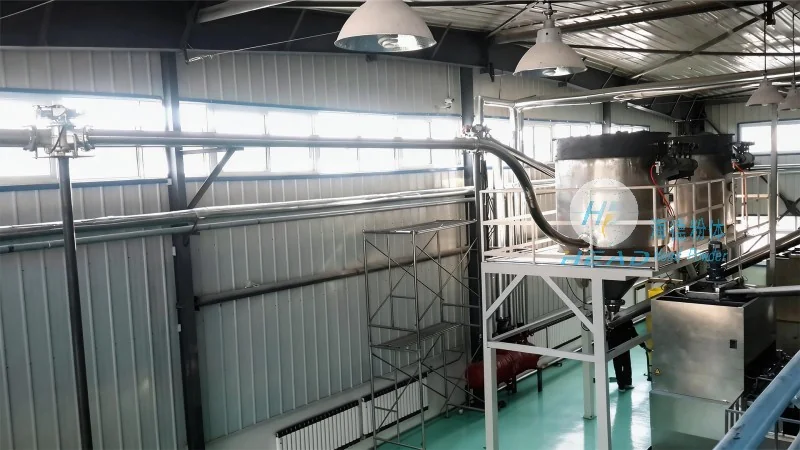
The sawdust and wood flour pneumatic conveying system is engineered to transport fine powders like sawdust and wood flour from a storage silo or hopper to processing units or storage locations. This system utilizes air as the primary conveying medium, enabling the material to be moved through pipelines without the need for mechanical components like belts or buckets. The design of such systems is critical for maintaining material integrity, minimizing dust emissions, and ensuring consistent flow rates, which are essential for industrial applications in woodworking, biomass processing, and related sectors.
The pneumatic conveying system for sawdust and wood flour typically consists of several key components that work in tandem to achieve efficient material transport. These components include a material feeder, a blower or air compressor, conveying pipelines, a separation or filter system, and a discharge unit. Each component plays a vital role in the overall operation of the system:
1. Material Feeder: This component is responsible for feeding the sawdust or wood flour from the storage silo into the conveying pipeline. It ensures a consistent and controlled flow of material, preventing blockages and maintaining uniform particle size distribution. The feeder may be a rotary valve or a screw feeder, depending on the system design and material characteristics.
2. Air Compressor or Blower: The air compressor or blower generates the necessary air pressure and volume to move the material through the pipelines. The choice of equipment depends on the material's density, particle size, and the required conveying distance. High-pressure blowers are often used for short-distance conveying, while vacuum systems are preferred for longer distances or when the material needs to be transported from a lower to a higher elevation.
3. Conveying Pipelines: The pipelines are made of materials resistant to the corrosive or abrasive nature of sawdust and wood flour, such as stainless steel or special plastic composites. The pipeline design, including bends and elbows, is optimized to minimize pressure drop and maintain efficient material flow. Proper pipeline sizing is crucial to avoid excessive energy consumption and ensure smooth operation.
4. Separation and Filter System: As the material is conveyed through the pipelines, it may carry fine particles that can cause dust emissions or clog downstream equipment. The separation and filter system, typically located at the discharge end, separates the material from the air and captures any fine particles. This system may include cyclones, bag filters, or electrostatic precipitators, depending on the system's requirements and environmental regulations.
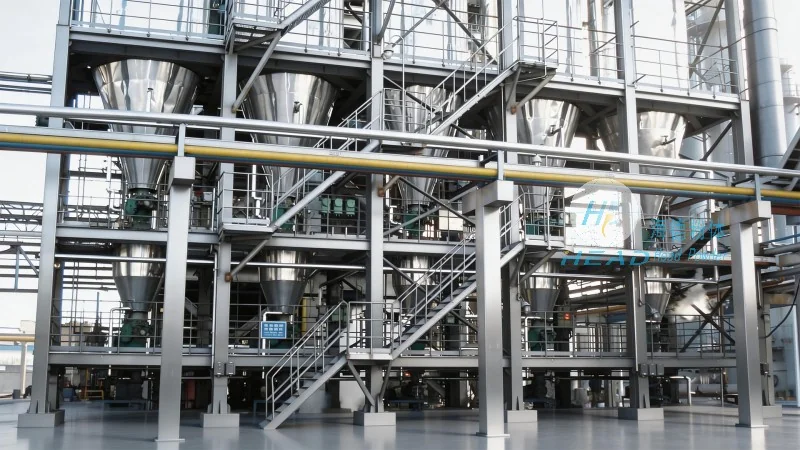
5. Discharge Unit: The discharge unit is where the material is released from the conveying system into the processing or storage unit. It may include a rotary valve or a gate valve to control the flow of material and prevent backflow. The design of the discharge unit is critical to ensure that the material is discharged smoothly and without causing blockages or dust emissions.
The operation of the sawdust and wood flour pneumatic conveying system follows a systematic process that ensures efficient and reliable material transport. The process typically involves the following steps:
1. Material Loading: The sawdust or wood flour is loaded into the storage silo or hopper. The material is then fed into the material feeder, which regulates the flow rate into the conveying pipeline.
2. Air Compression: The air compressor or blower starts operating, generating the required air pressure and volume. The air is introduced into the conveying pipeline, creating a flow that carries the material particles.
3. Material Conveying: The material particles are entrained by the air flow and transported through the pipelines. The system's design ensures that the material is conveyed at a consistent velocity, preventing particle segregation or agglomeration.
4. Separation and Filtration: At the discharge end, the material is separated from the air, and any fine particles are captured by the filter system. The clean air is then discharged, while the material is collected in the discharge unit.
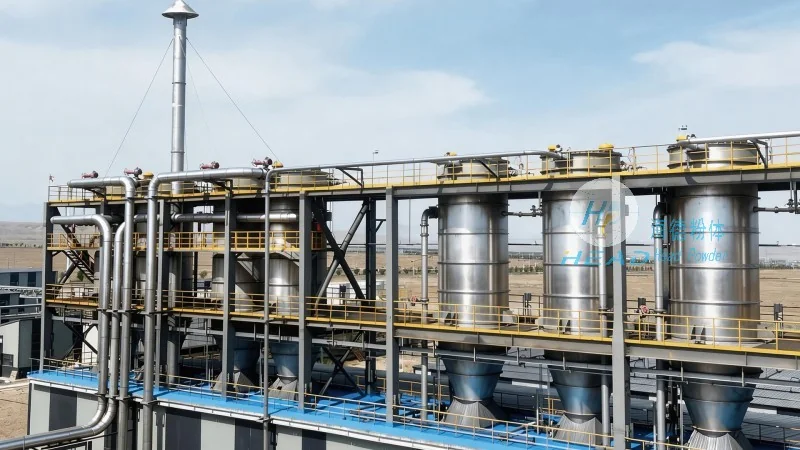
5. Material Discharge: The material is discharged from the system into the processing or storage unit. The discharge rate is controlled by the discharge unit, ensuring that the material is delivered at the required rate without causing overloading or underloading of the downstream equipment.
The working principle of the sawdust and wood flour pneumatic conveying system is based on the physics of fluid dynamics and particle transport. The system operates by creating a pressure differential between the inlet and outlet of the conveying pipeline, which causes the material to be carried by the air flow. The key principles involved include:
1. Entrainment: The air flow entrains the material particles, lifting them off the pipeline walls and carrying them through the system. The velocity of the air flow must be sufficient to overcome the gravitational force acting on the particles and any frictional forces within the pipeline.
2. Pressure Drop: The pressure drop along the conveying pipeline is a critical factor in determining the system's performance. The pressure drop is caused by the friction between the air and the pipeline walls, as well as the resistance offered by the material particles. Proper pipeline sizing and design are essential to minimize the pressure drop and ensure efficient operation.
3. Particle Size and Density: The size and density of the sawdust or wood flour particles affect the system's performance. Smaller particles require higher air velocities to be entrained, while larger particles may settle out of the air stream if the velocity is too low. The system design must account for the material's particle size distribution and density to ensure optimal performance.
4. System Efficiency: The efficiency of the pneumatic conveying system is determined by the ratio of the energy required to transport the material to the actual material transported. Factors such as pipeline length, elevation changes, and material characteristics influence the system's efficiency. Proper system design and maintenance are crucial to maximize efficiency and minimize energy consumption.
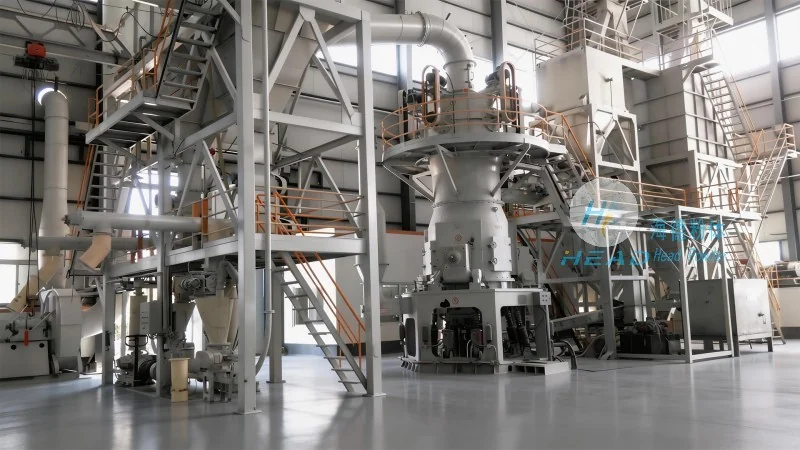
The sawdust and wood flour pneumatic conveying system offers several benefits over traditional mechanical conveying systems, making it an ideal solution for industrial applications. These benefits include:
1. Reduced Maintenance: The system has fewer moving parts compared to mechanical systems, resulting in lower maintenance costs and longer equipment life.
2. Improved Material Integrity: The system minimizes material degradation and contamination, as the material is not subjected to mechanical stress or exposure to the environment.
3. Minimized Dust Emissions: The enclosed pipeline design and filtration system reduce dust emissions, improving workplace safety and compliance with environmental regulations.
4. Flexibility and Scalability: The system can be easily scaled to accommodate changes in production volume or material handling requirements, making it suitable for various industrial applications.
HeadPowder, with its expertise in engineering and manufacturing, provides customized sawdust and wood flour pneumatic conveying systems tailored to the specific needs of its clients. The company's commitment to quality, efficiency, and sustainability ensures that its systems deliver reliable and cost-effective material handling solutions for the woodworking and biomass processing industries.

 Shandong Headpowder Engineering Co., Ltd.
 156-6277-7102(Manager Zhang)
  0531-83386006
  Zhangqiu District, Jinan City, Shandong Province, China
telephone
WeChatconsult
top