With more than 10‑year industry experience, Shandong Headpowder delivers full‑service pneumatic‑conveying systems and blowers, undertaking nationwide turn‑key powder‑handling projects.
Shandong HeadPowder Engineering Co., Ltd., commonly known as HeadPowder, specializes in the design, manufacturing, and integration of advanced material handling solutions. Our expertise lies in metal particle material handling systems, which are crucial for efficient and reliable transport of metal powders and granules in various industrial applications. This article delves into the operation process and working principle of such systems, highlighting their key components, operational mechanisms, and practical applications.
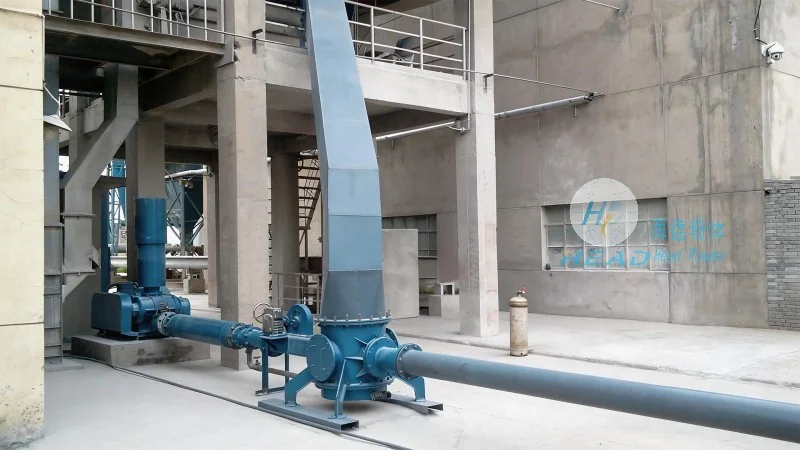
The metal particle material handling system typically consists of several core components that work in tandem to ensure smooth material transport. These components include feeders, conveyors, control systems, and sometimes storage silos or hoppers. Each component plays a vital role in the overall functionality of the system. Feeders are responsible for regulating the flow of metal particles from the source to the conveyor. They can be designed as screw feeders, vibratory feeders, or rotary valves, depending on the material characteristics and required flow rates. Conveyors, such as belt conveyors or pneumatic conveyors, are used to transport the metal particles over a specified distance. Control systems, often integrated with sensors and automation technology, monitor and adjust the system's operation to maintain optimal performance. Storage silos or hoppers are used to store the metal particles before they are fed into the system, ensuring a consistent supply.
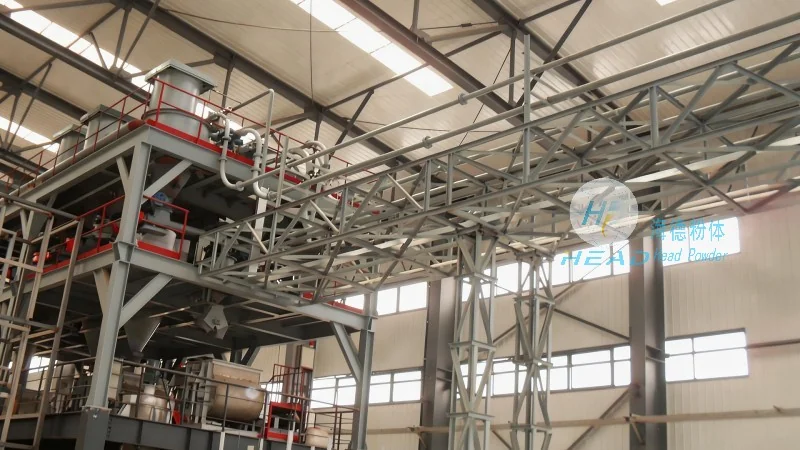
The operation process of a metal particle material handling system involves several sequential steps that ensure the efficient movement of metal particles from the source to the destination. The first step is the material feeding, where the metal particles are introduced into the system from the storage silo or hopper. The feeder then regulates the flow rate, ensuring a consistent and controlled supply of material. Next, the material is transported through the conveyor system. Belt conveyors use a moving belt to carry the metal particles, while pneumatic conveyors use air pressure to move the particles through a pipeline. The conveyor system may include multiple sections, such as inclines or declines, to adjust the material's path. As the material moves through the system, it is continuously monitored by sensors that detect any blockages or variations in flow. The control system adjusts the feeder speed or conveyor speed as needed to maintain the desired flow rate. Finally, the metal particles are discharged at the destination point, such as a processing unit or a storage container. The entire process is automated and can be adjusted based on real-time demand, ensuring minimal downtime and maximum efficiency.
The working principle of metal particle material handling systems is based on the principles of material flow and mechanical transport. The system operates by converting the potential energy of the metal particles into kinetic energy, allowing them to move from a higher to a lower elevation or from one location to another. For example, in a belt conveyor system, the motor drives the conveyor belt, which moves the metal particles along its surface. The friction between the belt and the particles ensures that the particles are carried along with the belt. In a pneumatic conveyor system, the air pressure creates a flow of air that carries the metal particles through the pipeline. The pressure difference between the inlet and outlet of the pipeline determines the speed and volume of the material flow. The control system uses sensors to detect the position and flow rate of the metal particles, adjusting the air pressure or conveyor speed to maintain the desired conditions. This closed-loop control system ensures that the system operates efficiently and reliably, minimizing energy consumption and maximizing material throughput.
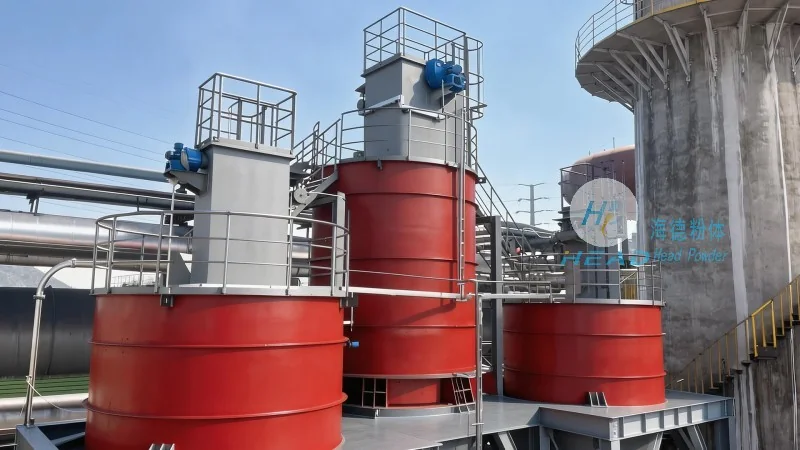
Metal particle material handling systems are widely used in various industries, including metal powder manufacturing, pharmaceuticals, food processing, and chemical processing. These systems are essential for transporting metal powders and granules, which are often delicate and require careful handling to prevent degradation or contamination. The benefits of using such systems include improved efficiency, reduced labor costs, enhanced safety, and increased product quality. By automating the material handling process, companies can achieve higher throughput and lower operational costs. The systems also minimize the risk of material spillage or contamination, ensuring that the metal particles remain in a controlled environment. Additionally, the use of advanced control systems allows for real-time monitoring and adjustment, enabling companies to respond quickly to changes in demand or material characteristics.

 Shandong Headpowder Engineering Co., Ltd.
 156-6277-7102(Manager Zhang)
  0531-83386006
  Zhangqiu District, Jinan City, Shandong Province, China
telephone
WeChatconsult
top