

Operation Process and Working Principle of Compound Fertilizer Material Handling Systems
Compound fertilizer material handling systems are essential components in the modern fertilizer production and distribution industry. These systems are designed to efficiently transport bulk materials such as nitrogen, phosphorus, and potassium compounds, as well as other additives, from storage silos to processing units or packaging lines. The operation of these systems is critical for maintaining production efficiency, ensuring product quality, and minimizing operational costs. In this article, we will explore the detailed operation process and working principles of a typical compound fertilizer material handling system, highlighting the key components, their functions, and the overall workflow.
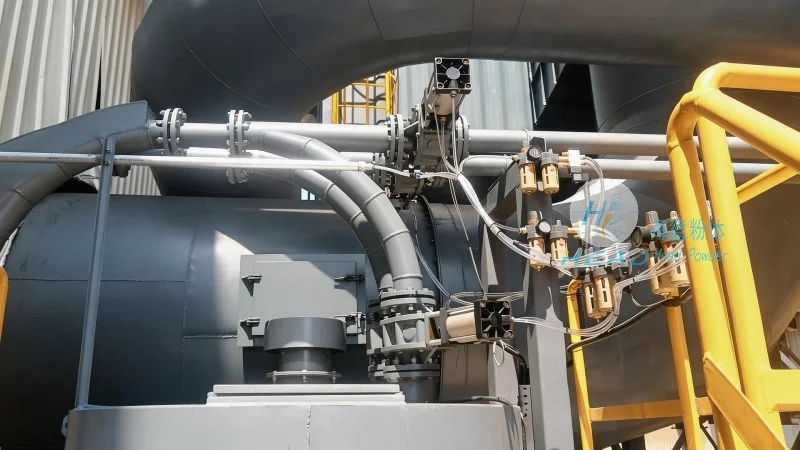
Key Components of the Material Handling System
The compound fertilizer material handling system typically consists of several interconnected components that work in tandem to ensure smooth material flow. The primary components include storage silos, conveyor systems (such as belt conveyors, screw conveyors, or pneumatic conveyors), feeding mechanisms, control panels, and safety devices. Each component plays a vital role in the system's performance and reliability.
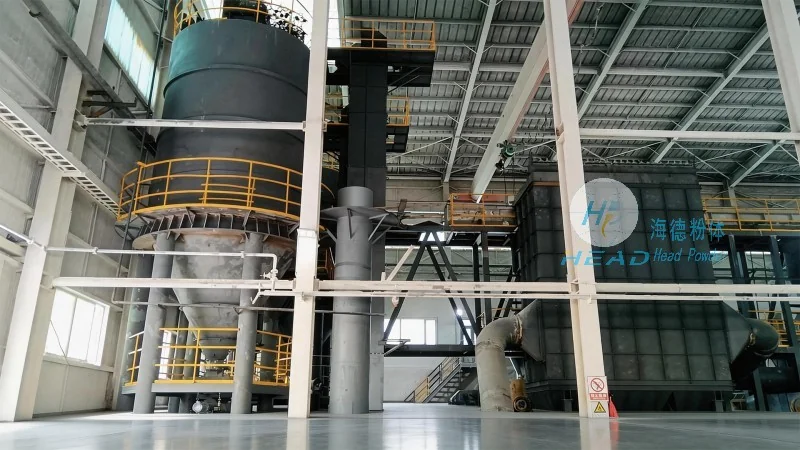
Storage silos are used to store raw materials and finished products. They are usually made of steel or concrete and are equipped with aeration systems to prevent material caking and maintain optimal moisture levels. The silos are connected to the conveyor system via a discharge outlet, which allows materials to be drawn out as needed. Conveyor systems are responsible for transporting materials from the silos to the processing or packaging areas. Belt conveyors are commonly used for horizontal and slight incline transport due to their high load capacity and low maintenance requirements. Screw conveyors are ideal for vertical or inclined transport, especially when dealing with powdery or granular materials. Pneumatic conveyors, on the other hand, use air pressure to move materials through a pipeline, making them suitable for fine powders and preventing material contamination.
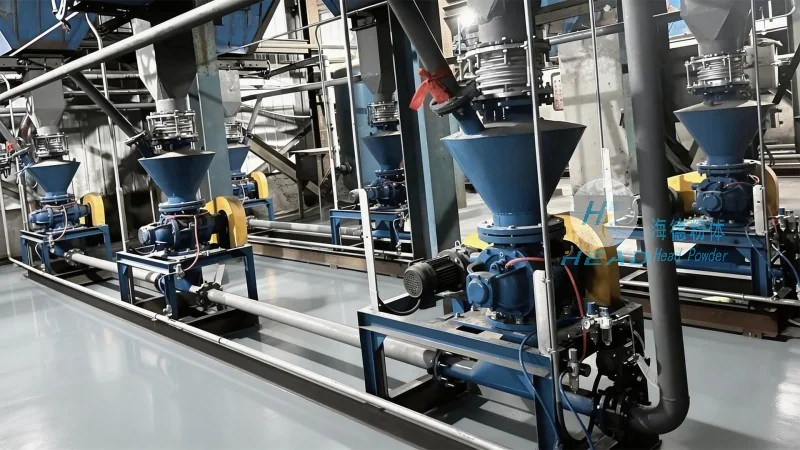
Feeding mechanisms, such as rotary valves or star feeders, are used to control the flow rate of materials from the silos to the conveyor system. These devices ensure a consistent and controlled feed, preventing overloading or underloading of the conveyor. The control panel is the brain of the system, where operators can monitor the system's status, adjust parameters, and initiate or stop operations. It typically includes sensors, indicators, and alarms to detect any abnormalities and alert the operator. Safety devices, such as emergency stop buttons and overload protection systems, are integrated into the system to prevent accidents and protect personnel and equipment.
Operation Process of the Material Handling System
The operation process of a compound fertilizer material handling system involves several sequential steps, starting from material storage and ending with material delivery to the processing line. The process begins with the loading of raw materials into the storage silos. The raw materials, such as urea, phosphate rock, and potassium chloride, are delivered to the plant and stored in the silos until they are needed for production. Once the production schedule is set, the system is activated by the control panel.
First, the feeding mechanism starts to draw materials from the silo. The material is then transported by the conveyor system to the processing unit. For example, in a belt conveyor system, the material is carried by a moving belt and transported to the next stage. The conveyor speed can be adjusted to control the flow rate of materials. In a screw conveyor system, the material is pushed forward by a rotating screw, which can be adjusted to control the discharge rate. Pneumatic conveyors use air pressure to move the material through the pipeline, with the air flow rate controlling the material flow.