With more than 10‑year industry experience, Shandong Headpowder delivers full‑service pneumatic‑conveying systems and blowers, undertaking nationwide turn‑key powder‑handling projects.
Styrene is a critical chemical raw material widely used in the production of polystyrene, ABS, and other polymer products. Efficient and reliable material handling of styrene is essential for maintaining production efficiency and ensuring product quality in industrial applications. This article provides an overview of the operation process and working principle of styrene material handling systems, highlighting key components and operational mechanisms.
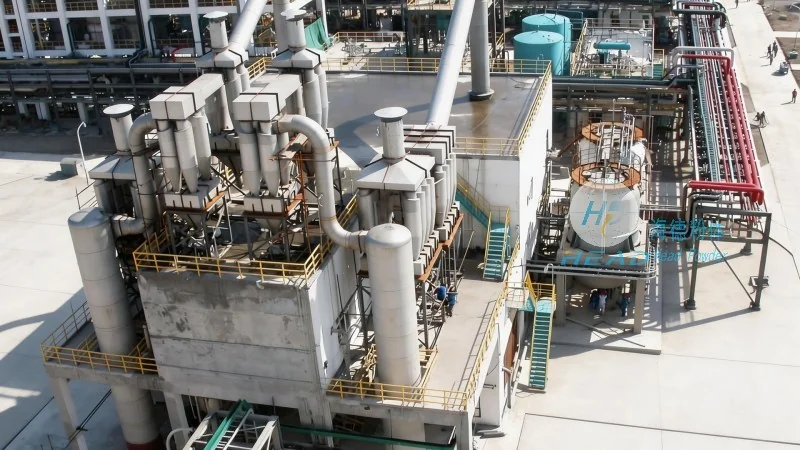
Shandong HeadPowder Engineering Co., Ltd., commonly known as HeadPowder, is a professional manufacturer and supplier specializing in engineering solutions for material handling and processing equipment. With a focus on innovation and quality, HeadPowder provides customized solutions tailored to the specific needs of clients in the chemical and polymer industries. The company is headquartered in Shandong, China, and has established a strong reputation for delivering reliable and efficient equipment for handling various chemical materials, including styrene.
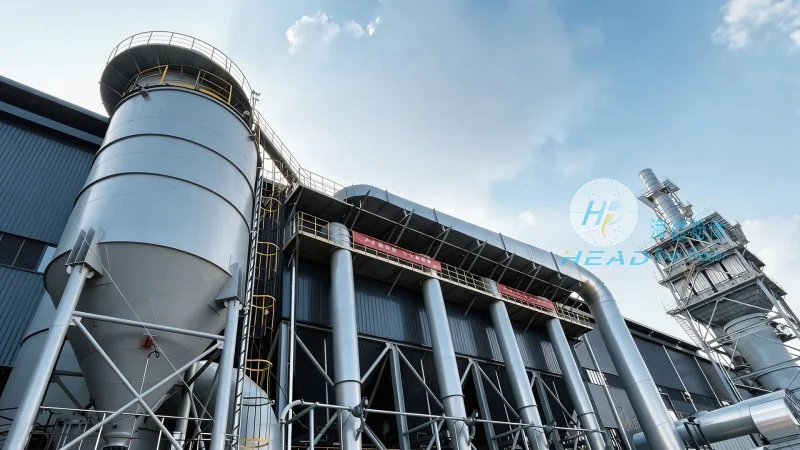
The operation of styrene material handling systems involves several critical components that work in tandem to ensure smooth and safe material transfer. These components typically include storage tanks, pumps, pipelines, valves, and control systems. Storage tanks are used to hold the liquid styrene, providing a stable source of material for the handling process. Pumps, often centrifugal or positive displacement types, are employed to transfer the styrene from the storage tanks to the processing units. Pipelines and valves regulate the flow of styrene, allowing for precise control over the material's movement and pressure. Control systems, equipped with sensors and automation technology, monitor and adjust the operation parameters to maintain optimal performance and safety.
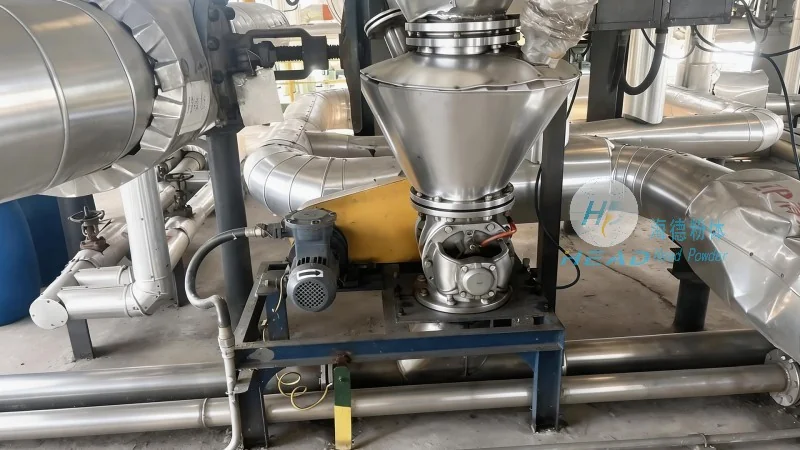
The operation process of styrene material handling systems typically follows a standardized sequence to ensure consistent and efficient material transfer. The process begins with the loading of styrene into the storage tanks, either through direct delivery from suppliers or from internal production processes. Once the tanks are filled, the control system initiates the pumping process, which starts by opening the relevant valves to allow the styrene to flow through the pipelines. The pumps then start operating, generating the necessary pressure to move the liquid styrene to the processing units or other destinations. During the transfer, the control system continuously monitors parameters such as flow rate, pressure, and temperature to ensure that the operation remains within safe and optimal limits. Any deviations are automatically adjusted by the system to maintain stability. After the material is transferred to the target location, the valves are closed, and the pumps are shut down, completing the cycle. This process is often repeated as needed to meet production demands.
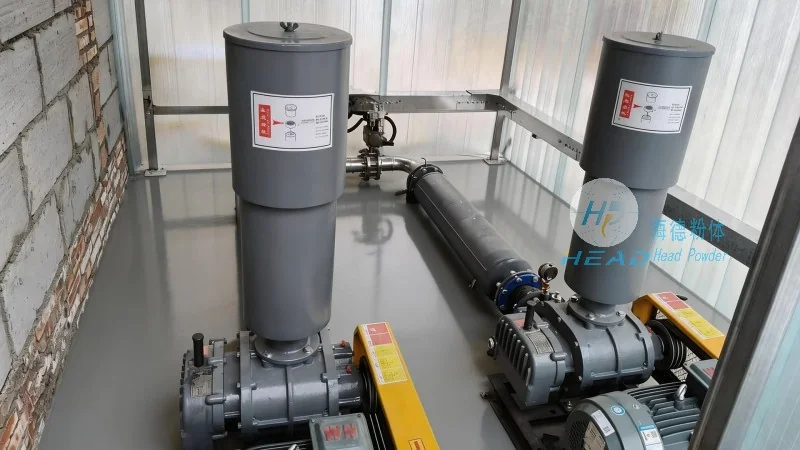
The working principle of styrene material handling systems is based on the principles of fluid dynamics and mechanical engineering. The system operates by converting the potential energy of the stored styrene into kinetic energy through the use of pumps. The storage tanks maintain a constant level of styrene, providing a stable pressure head that drives the flow. The pipelines and valves are designed to minimize friction and pressure losses, ensuring that the material is transferred efficiently. The control system plays a crucial role in maintaining the balance between supply and demand, preventing overfilling or underfilling of tanks and ensuring that the material is delivered at the required rate. Additionally, safety features such as pressure relief valves and emergency shut-off systems are integrated into the design to protect against potential hazards, such as overpressure or leaks. Overall, the working principle emphasizes efficiency, safety, and reliability, ensuring that the styrene is handled in a manner that meets industry standards and client requirements.

 Shandong Headpowder Engineering Co., Ltd.
 156-6277-7102(Manager Zhang)
  0531-83386006
  Zhangqiu District, Jinan City, Shandong Province, China
telephone
WeChatconsult
top