

Operation Process and Working Principle of Vanadium Oxide Material Handling
Vanadium oxide material handling is a critical process in industrial applications, particularly in the production of vanadium compounds and related chemical products. The efficient operation of material handling systems ensures smooth workflow, enhances productivity, and maintains safety standards. This article provides an in-depth look at the operation process and working principle of vanadium oxide material handling, with a focus on the technical aspects and practical implementation.
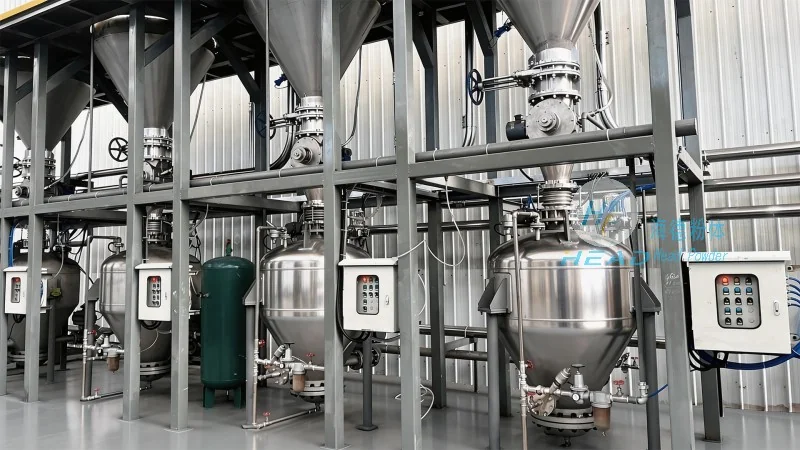
Company Introduction
HeadPowder, a leading provider in the field, specializes in engineering solutions for material handling systems. As Shandong HeadPowder Engineering Co., Ltd., the company is headquartered in Shandong, China, and has established itself as a trusted partner for industries requiring reliable and efficient material transport solutions. With a commitment to innovation and quality, HeadPowder delivers tailored systems that meet the specific needs of clients in the vanadium oxide sector.
Overview of Vanadium Oxide Material Handling
Vanadium oxide, a key raw material in various industrial processes, requires specialized handling due to its chemical properties and potential hazards. The material handling process involves several stages, from storage and loading to transportation and unloading. Each step is designed to ensure the material is handled safely and efficiently, minimizing risks and maximizing operational efficiency.
The Operation Process of Vanadium Oxide Material Handling
The operation process of vanadium oxide material handling typically begins with the storage of raw materials. In most industrial setups, vanadium oxide is stored in bulk containers or silos, which are designed to prevent contamination and ensure stable conditions. The first step in the operation process involves loading the material from the storage facility into the transport equipment. This is often done using conveyor systems, elevators, or loading machines that are specifically engineered for handling vanadium oxide.
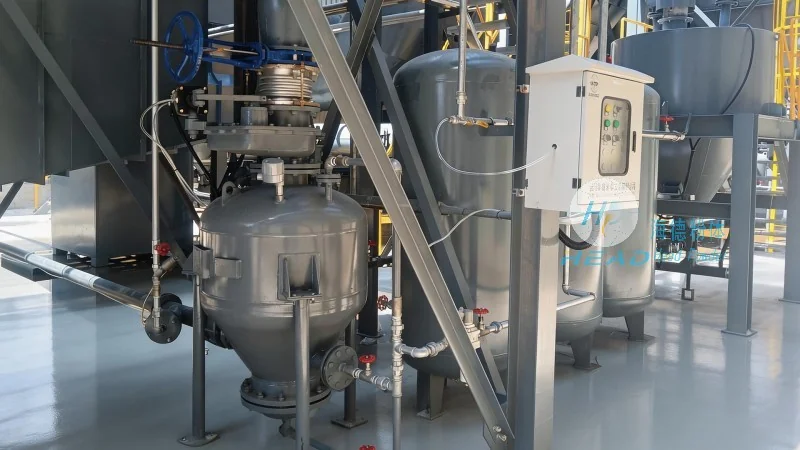
Once loaded, the material is transported to the processing or production area. The transport equipment, such as belt conveyors, pneumatic conveyors, or trucks, moves the material through the facility. The choice of transport method depends on the scale of operation, the distance to be covered, and the specific requirements of the material. For example, in large-scale production facilities, belt conveyors are commonly used due to their high capacity and reliability.
The next stage involves unloading the material at the destination point. This may involve transferring the material from the transport equipment to a processing unit or another storage location. The unloading process is carefully controlled to prevent spillage and ensure that the material is handled in a manner consistent with safety regulations. After unloading, the transport equipment is prepared for the next cycle, completing the operation process.
Working Principle of Vanadium Oxide Material Handling Systems
The working principle of vanadium oxide material handling systems is based on mechanical and sometimes pneumatic or hydraulic systems that facilitate the movement of material from one point to another. The core components of these systems include storage units, loading mechanisms, transport equipment, and unloading devices. Each component plays a crucial role in ensuring the smooth operation of the entire process.
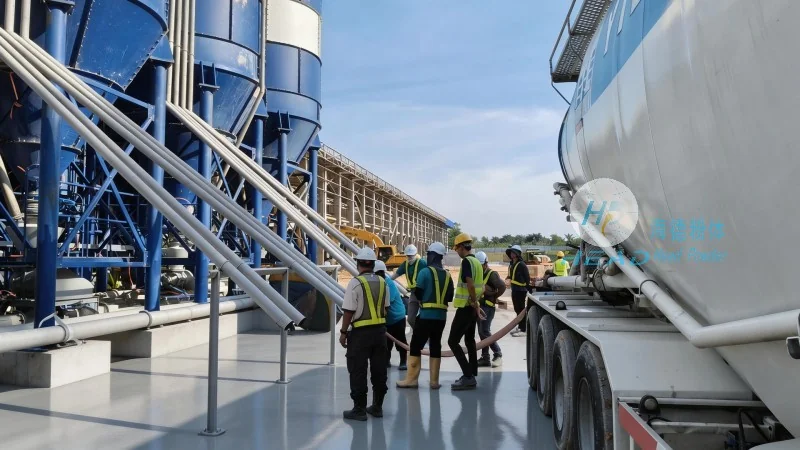
Storage units, such as silos or bulk containers, are designed to hold vanadium oxide in a stable and controlled environment. These units are typically made of materials that are resistant to corrosion and chemical reactions, ensuring the integrity of the material. The loading mechanisms, which may include hoppers, feeders, or loading arms, are used to transfer the material from the storage unit to the transport equipment. These mechanisms are carefully calibrated to maintain a consistent flow rate, preventing overloading or underloading of the transport equipment.
Transport equipment, such as belt conveyors, are driven by motors that provide the necessary force to move the material. The speed and capacity of the conveyor system are adjusted based on the production requirements. For instance, in high-demand production lines, the conveyor speed may be increased to meet output targets. Pneumatic conveyors, on the other hand, use air pressure to move the material through a pipeline, which is particularly useful for handling fine powders like vanadium oxide.
Unloading devices, such as discharge chutes or unloaders, are used to transfer the material from the transport equipment to the processing unit. These devices are designed to ensure that the material is discharged smoothly and without causing blockages or spills. The unloading process is monitored to ensure that the material is handled in a safe manner, with proper containment measures in place to prevent environmental contamination.
Key Considerations in Vanadium Oxide Material Handling
Several factors must be considered when designing and operating vanadium oxide material handling systems. Safety is a primary concern, as vanadium oxide can be hazardous if not handled properly. The systems must be equipped with safety features such as dust suppression systems, explosion-proof components, and emergency stop mechanisms. Additionally, the material handling equipment must be regularly maintained to ensure optimal performance and prevent breakdowns.
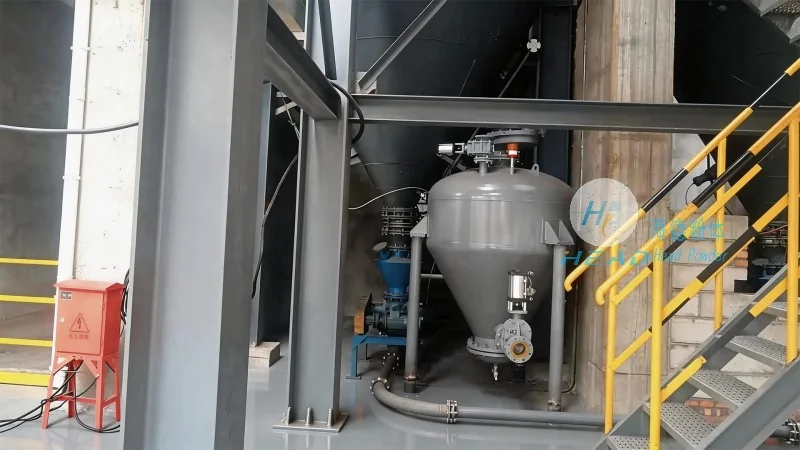
Efficiency is another critical factor, as the cost of material handling can significantly impact the overall production costs. The choice of equipment and the design of the system are optimized to minimize energy consumption and maximize throughput. For example, using high-capacity conveyors can reduce the number of transport cycles required, thereby increasing productivity. The integration of automation and control systems also plays a role in improving efficiency by reducing human error and optimizing the operation process.
Environmental considerations are also important, as vanadium oxide can be a source of air and soil pollution if not handled correctly. The material handling systems must include measures to control dust emissions and prevent spills. This may involve using dust collection systems, containment structures, and regular cleaning procedures. Compliance with environmental regulations is essential to ensure that the operation is sustainable and responsible.
Conclusion
Vanadium oxide material handling is a complex process that requires careful planning and execution. The operation process and working principle of these systems are designed to ensure the safe and efficient transport of vanadium oxide. With the expertise of companies like Shandong HeadPowder Engineering Co., Ltd., industries can benefit from reliable and efficient material handling solutions that meet their specific needs. By understanding the technical aspects and best practices of vanadium oxide material handling, businesses can enhance their operational performance and achieve their production goals.