With more than 10‑year industry experience, Shandong Headpowder delivers full‑service pneumatic‑conveying systems and blowers, undertaking nationwide turn‑key powder‑handling projects.
Lancoal, a type of low-rank coal, is widely utilized in various industrial processes due to its distinctive characteristics. The efficient transportation of lancoal from storage to processing units is vital for maintaining production efficiency and safety. This article offers a comprehensive overview of the operation process and working principle of lancoal material conveying systems, highlighting the key components and mechanisms involved.
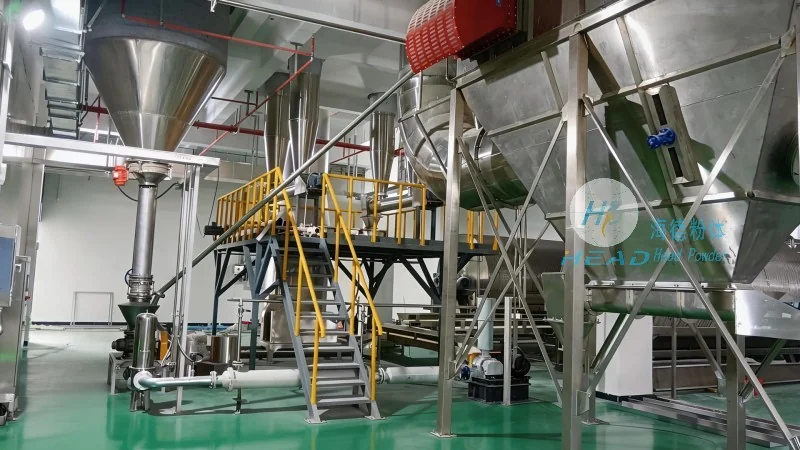
Shandong HeadPowder Engineering Co., Ltd., commonly referred to as headpowder, is a professional engineering firm specializing in the design, manufacturing, and installation of material handling systems. With a strong emphasis on industrial applications, headpowder provides customized solutions tailored to the specific needs of clients in the coal and related sectors. The company’s headquarters is situated in Shandong, China, where it leverages local expertise and resources to deliver high-quality products and services.
The operation of lancoal material conveying systems typically involves several key steps to ensure smooth and continuous material flow. The process starts with the storage of lancoal in bulk storage facilities, such as silos or stockpiles. From there, the material is transferred to the conveying equipment, which may include belt conveyors, screw conveyors, or pneumatic conveyors, depending on the specific requirements of the application.
Once the lancoal reaches the conveying equipment, it is moved through a series of components, including feeders, hoppers, and transition sections. The feeders are responsible for regulating the flow rate of the material, ensuring that it is delivered at a consistent and controlled speed. The hoppers act as storage containers, holding the lancoal before it is transferred to the next stage of the process. The transition sections are designed to smoothly change the direction of the material flow, minimizing the risk of blockages or material loss.
The conveying equipment then transports the lancoal to the processing units, such as crushers or dryers. The speed and tension of the conveyor belt are carefully controlled to prevent material spillage and ensure efficient transport. In pneumatic conveying systems, the lancoal is suspended in a stream of air and transported through pipelines, which allows for more flexible and compact layouts compared to traditional belt conveyors.
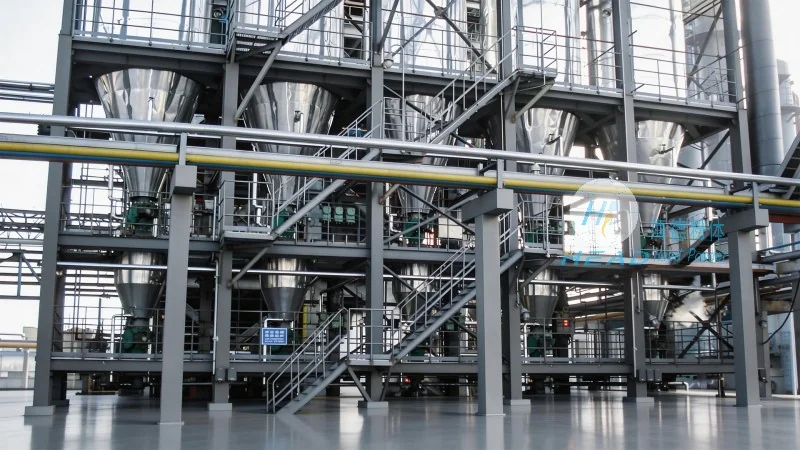
The working principle of lancoal material conveying systems is based on the principles of mechanical and pneumatic transport. In mechanical systems, such as belt conveyors, the material is moved by the friction between the material and the conveyor belt, which is driven by a motor. The belt rotates, pulling the lancoal along its path, while the tension and speed are adjusted to maintain optimal performance.
In screw conveyors, the lancoal is moved by a rotating screw, which pushes the material forward through a cylindrical tube. The speed of the screw and the pitch of the screw are critical factors that determine the conveying capacity and efficiency of the system. Screw conveyors are particularly suitable for handling lancoal with a high moisture content or fine particles, as they can prevent material segregation and ensure uniform flow.
Pneumatic conveying systems operate by using compressed air to transport the lancoal through a network of pipelines. The lancoal is suspended in the air stream and carried to the destination. The pressure and flow rate of the air are carefully controlled to ensure that the material is transported efficiently and without damage. Pneumatic systems are often used for short-distance conveying or when the layout requires a more compact design.
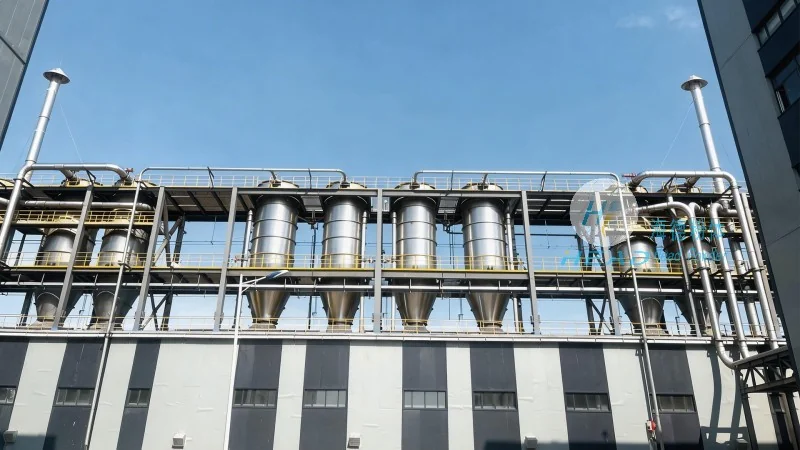
Several key components are essential for the proper operation of lancoal material conveying systems. These include feeders, hoppers, transition sections, and the conveying equipment itself. Each component plays a critical role in ensuring the smooth flow of material and preventing issues such as blockages or spillage.
One of the main advantages of lancoal material conveying systems is their ability to handle large volumes of material efficiently. This reduces the need for manual handling and improves overall production efficiency. Additionally, the systems are designed to minimize material loss and contamination, which is crucial for maintaining product quality and meeting regulatory requirements.
Another advantage is the flexibility of the systems, which can be customized to fit the specific needs of different applications. Whether it's a small-scale operation or a large industrial plant, headpowder can provide tailored solutions that optimize material flow and reduce operational costs.
Lancoal material conveying systems are essential for the efficient and safe transportation of low-rank coal in various industrial applications. The operation process involves the storage, transfer, and processing of lancoal through a series of components, while the working principle is based on mechanical or pneumatic transport mechanisms. With the expertise of companies like Shandong HeadPowder Engineering Co., Ltd., clients can benefit from customized solutions that enhance production efficiency and ensure compliance with industry standards.

 Shandong Headpowder Engineering Co., Ltd.
 156-6277-7102(Manager Zhang)
  0531-83386006
  Zhangqiu District, Jinan City, Shandong Province, China
telephone
WeChatconsult
top