With more than 10‑year industry experience, Shandong Headpowder delivers full‑service pneumatic‑conveying systems and blowers, undertaking nationwide turn‑key powder‑handling projects.
Clay material conveying is a critical process in various industrial applications, particularly in sectors such as ceramics, construction, and mining. The efficient handling and transportation of clay materials are essential for maintaining production efficiency and ensuring product quality. This article provides a detailed overview of the operation process and working principle of clay material conveying systems, highlighting the key components and mechanisms involved in the process. As a leading manufacturer in the field, Shandong HeadPowder Engineering Co., Ltd. specializes in providing high-quality clay material conveying solutions tailored to the specific needs of industrial clients.
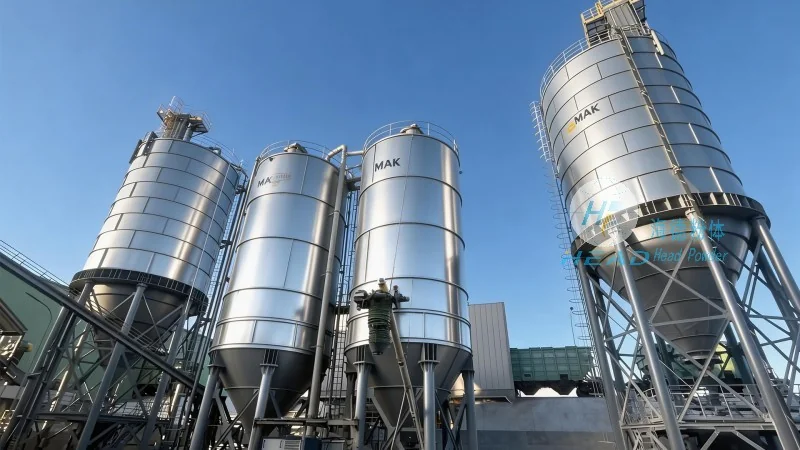
Clay material conveying systems typically consist of several core components that work in tandem to ensure smooth and reliable material transport. These components include feeders, conveyors, control systems, and sometimes auxiliary equipment such as crushers or classifiers. The feeders are responsible for uniformly feeding clay material into the conveying system, while the conveyors transport the material from one location to another. Control systems monitor and regulate the operation of the entire system, ensuring optimal performance and safety. Auxiliary equipment may be used to preprocess the clay material, such as reducing particle size or removing impurities, to improve the conveying efficiency.
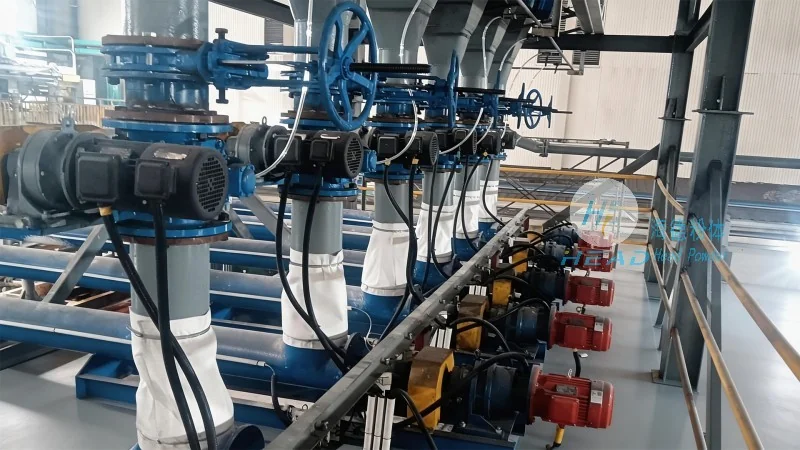
The operation process of clay material conveying involves several sequential steps that ensure the material is transported safely and efficiently. The first step is material feeding, where clay is introduced into the system through feeders. The feeders are designed to provide a consistent flow rate, preventing overloading or underloading of the conveyor. Next, the material is conveyed through the system using various types of conveyors, such as belt conveyors, screw conveyors, or pneumatic conveyors. The choice of conveyor type depends on the characteristics of the clay material, including its moisture content, particle size, and bulk density. For example, belt conveyors are commonly used for dry clay, while screw conveyors are suitable for wet or sticky clay. The conveying process is then followed by material discharge, where the clay is deposited at the desired location. The discharge point is typically controlled to ensure uniform distribution of the material, which is crucial for subsequent processing steps.
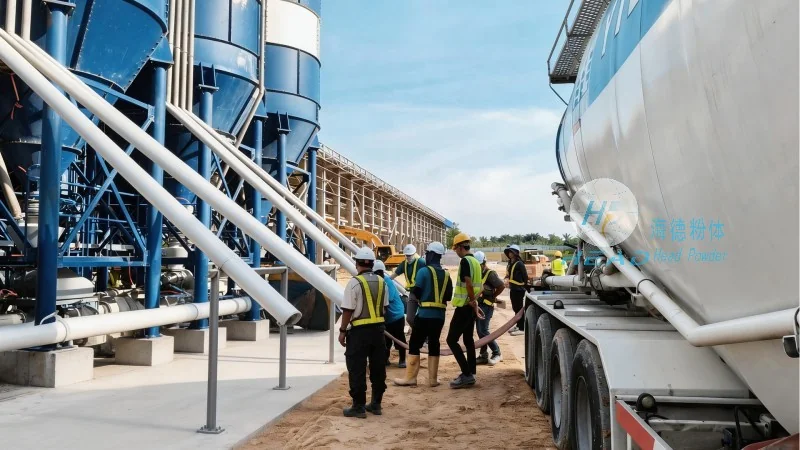
The working principle of clay material conveying systems is based on the transfer of material from a source to a destination through mechanical or pneumatic means. In mechanical conveying systems, the material is moved by the action of rotating components, such as screws or belts. The screw conveyor, for instance, uses a rotating screw to push the clay material forward, while the belt conveyor uses a moving belt to transport the material. The force applied by these components overcomes the friction between the material and the conveyor surface, allowing the material to move. In pneumatic conveying systems, the material is transported using air or gas under pressure. The clay material is suspended in the air stream and carried to the discharge point. The pressure differential between the source and destination creates the necessary force to move the material. The working principle also involves the control of material flow rate and pressure, which are critical for maintaining system efficiency and preventing blockages.
Clay material conveying systems are widely used in various industrial applications, including the production of ceramics, bricks, and tiles. In the ceramics industry, for example, clay is transported from storage silos to mixing and molding equipment. The efficient conveying of clay ensures that the production line operates smoothly, reducing downtime and improving product quality. The benefits of clay material conveying systems include improved production efficiency, reduced labor costs, and enhanced safety. By automating the material transport process, companies can minimize the risk of accidents and injuries associated with manual handling of clay materials. Additionally, the use of advanced control systems allows for precise regulation of the conveying process, leading to consistent material quality and reduced waste.
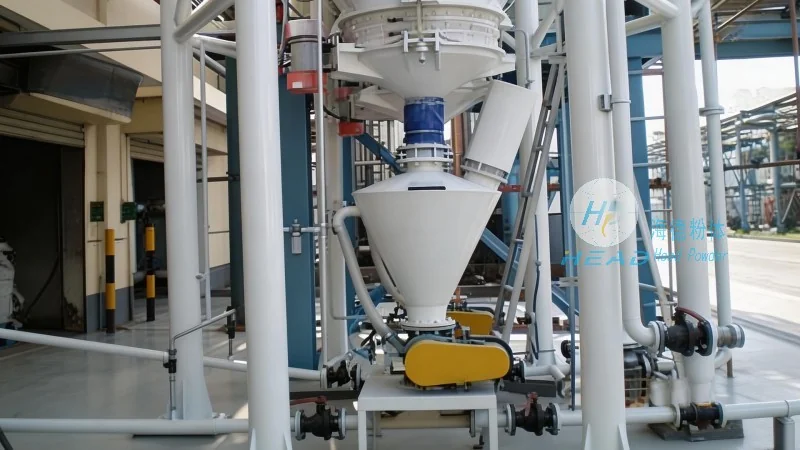
In conclusion, the operation process and working principle of clay material conveying systems are essential for the efficient handling and transportation of clay materials in various industrial applications. The systems consist of key components such as feeders, conveyors, and control systems, which work together to ensure smooth and reliable material transport. The operation process involves sequential steps from material feeding to discharge, while the working principle is based on mechanical or pneumatic transfer of material. The applications and benefits of these systems highlight their importance in improving production efficiency and product quality. As industrial demands continue to grow, the development of advanced clay material conveying systems will play a crucial role in meeting these needs.

 Shandong Headpowder Engineering Co., Ltd.
 156-6277-7102(Manager Zhang)
  0531-83386006
  Zhangqiu District, Jinan City, Shandong Province, China
telephone
WeChatconsult
top