With more than 10‑year industry experience, Shandong Headpowder delivers full‑service pneumatic‑conveying systems and blowers, undertaking nationwide turn‑key powder‑handling projects.
Graphite powder conveying machines are essential equipment in various industrial applications, particularly in the processing and handling of graphite materials. These machines are designed to efficiently transport graphite powders from one location to another, ensuring smooth and reliable material flow. The proper operation and understanding of their working principles are crucial for optimizing production efficiency and maintaining product quality. This article provides a detailed overview of the operation process and working principles of graphite powder conveying machines, along with essential information about the manufacturer, HeadPowder, based in Shandong, China.
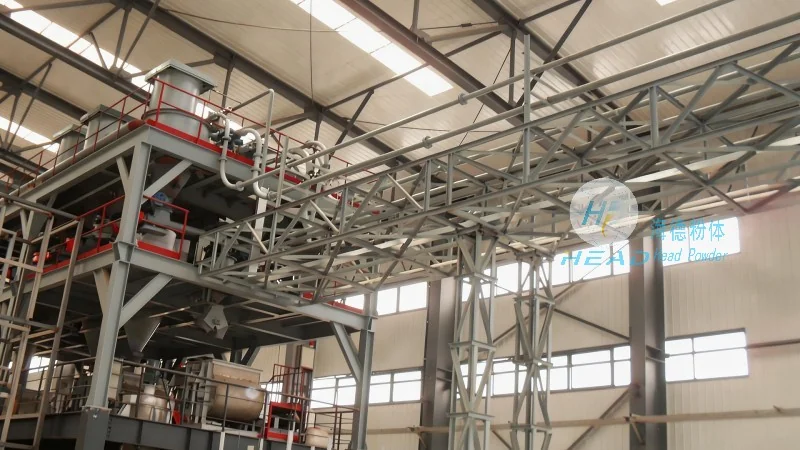

HeadPowder, or Shandong HeadPowder Engineering Co., Ltd., is a leading manufacturer specializing in the design, development, and production of advanced powder handling equipment. With a strong presence in Shandong, China, the company has built a reputation for delivering high-quality, reliable, and efficient solutions tailored to the specific needs of the graphite industry. HeadPowder's commitment to innovation and customer satisfaction has made them a preferred choice for businesses seeking dependable graphite powder conveying systems.

The operation process of a graphite powder conveying machine is a systematic sequence of steps that ensures the efficient and reliable transport of graphite powders. The process begins with the loading of graphite powder into the hopper or feeding hopper. The hopper is designed to hold a sufficient quantity of powder and is equipped with a feeding mechanism, such as a rotary valve or a screw feeder, to regulate the flow of material into the conveying system. Once the powder is loaded, the machine's control system activates the conveying mechanism, which may include a screw conveyor, a pneumatic pipeline, or a belt system, depending on the specific design. The conveying mechanism then moves the graphite powder through the system, maintaining a consistent flow rate and pressure to prevent clogging or material degradation. During the transport, the machine's monitoring systems continuously track parameters such as flow rate, pressure, and temperature, providing real-time feedback to the control system. If any deviations are detected, the system automatically adjusts to maintain optimal performance. The final step involves discharging the graphite powder at the target location, such as a storage silo, a processing unit, or a packaging area. The discharge mechanism, which may be a rotary valve or a conveyor discharge, ensures that the powder is released smoothly and without spillage. Throughout the entire operation process, the machine is designed to handle the unique properties of graphite, such as its low density, fine particle size, and tendency to form agglomerates, ensuring that the material is transported without damage or loss.
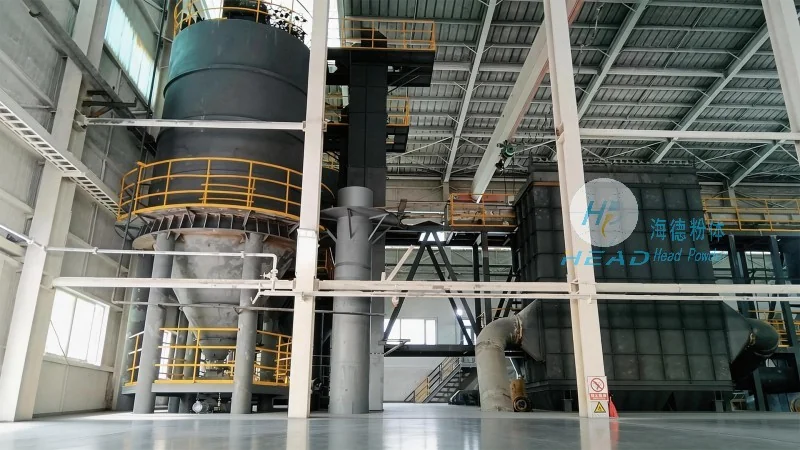
The working principles of graphite powder conveying machines are rooted in the fundamental physics of material transport. The primary goal is to move the graphite powder from the source to the destination using mechanical or pneumatic forces. The most common types of conveying systems, such as screw conveyors, pneumatic conveyors, and belt conveyors, operate based on different principles. Screw conveyors, for example, use a rotating screw to push the powder forward. The screw is typically made of a durable material, such as stainless steel or rubber, to resist the abrasive nature of graphite. The speed of the screw and the pitch of the threads determine the flow rate and the pressure applied to the powder. Pneumatic conveyors, on the other hand, use compressed air to create a flow of powder through a pipeline. The air pressure is controlled to maintain a consistent flow, and the pipeline is designed to minimize friction and prevent material buildup. Belt conveyors utilize a continuous belt that moves over a series of rollers, transporting the powder along the path of the conveyor. The tension and speed of the belt are adjusted to ensure smooth and efficient transport. The choice of conveying system depends on several factors, including the particle size of the graphite powder, the conveying distance, the required flow rate, and the environmental conditions. For example, screw conveyors are ideal for short distances and moderate flow rates, while pneumatic conveyors are better suited for longer distances and higher flow rates. The working principles of these machines are optimized to handle the unique characteristics of graphite, such as its low density and tendency to form agglomerates, ensuring that the material is transported effectively and without degradation.

 Shandong Headpowder Engineering Co., Ltd.
 156-6277-7102(Manager Zhang)
  0531-83386006
  Zhangqiu District, Jinan City, Shandong Province, China
telephone
WeChatconsult
top