With more than 10‑year industry experience, Shandong Headpowder delivers full‑service pneumatic‑conveying systems and blowers, undertaking nationwide turn‑key powder‑handling projects.
Multi-hopper pneumatic conveying systems, also known as multi-hopper powder transporters, are advanced industrial equipment designed for efficient and reliable bulk powder handling. These systems are widely used in various industries such as chemical, food, pharmaceutical, and cement, where the transportation of powders over long distances or within complex production lines is required. The core of these systems is the multi-hopper pump, which operates on the principle of pneumatic conveying, utilizing compressed air to move powders through a network of pipes.
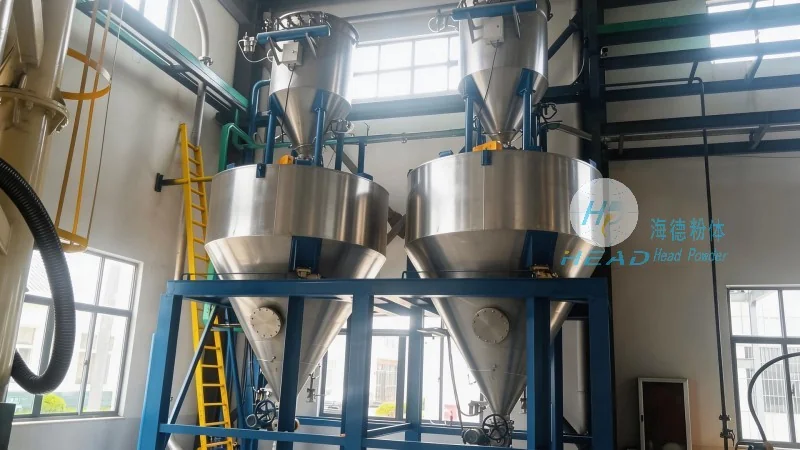
HeadPowder, the manufacturer of these advanced conveying systems, is a leading company based in Shandong, China. With a strong commitment to innovation and quality, HeadPowder has established itself as a trusted provider of industrial powder handling solutions. The company's headquarters is located in Shandong, China, where it conducts research, development, and production of high-performance multi-hopper pneumatic conveying equipment. HeadPowder's team of experts focuses on delivering customized solutions tailored to the specific needs of clients, ensuring optimal performance and reliability in powder transportation applications.
The working principle of a multi-hopper pneumatic conveying system is based on the use of compressed air to create a flow of powder through a pipeline. The system typically consists of multiple hoppers, each containing a different type of powder or material. Each hopper is equipped with a pneumatic valve and a pressure vessel. When the system is activated, compressed air is introduced into the pressure vessel, creating a pressure differential that causes the powder to be drawn into the conveying line. The air and powder mixture then travels through the pipeline to the destination point, where the powder is discharged and the air is either vented or recycled.
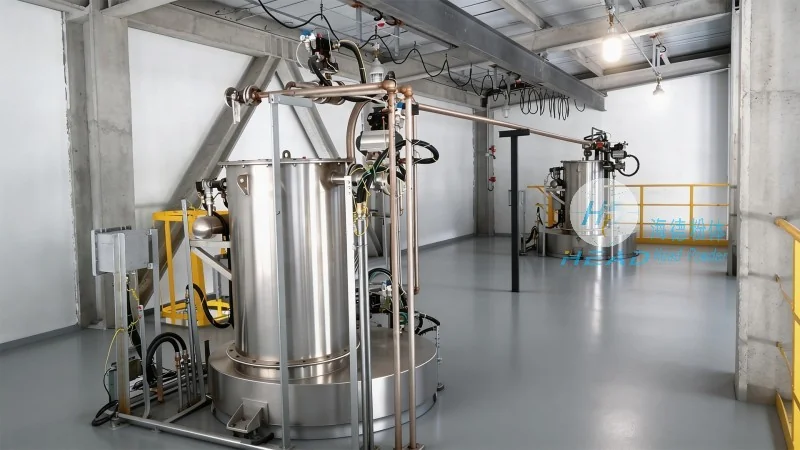
Multi-hopper pneumatic conveying systems comprise several key components, each playing a crucial role in the overall operation. The main components include:
The operation of a multi-hopper pneumatic conveying system involves several steps, each carefully coordinated to ensure efficient and safe powder transportation. The process typically begins with the loading of powders into each hopper. Once loaded, the system is activated by opening the pneumatic valves and starting the compressor. The compressed air then enters the pressure vessels, creating the necessary pressure to draw the powder from the hoppers into the conveying line. The powder is then carried through the pipeline to the discharge point, where it is collected in a receiving container or directly into the next production process. The system continues to operate until the desired amount of powder has been transported, or until the hoppers are emptied.
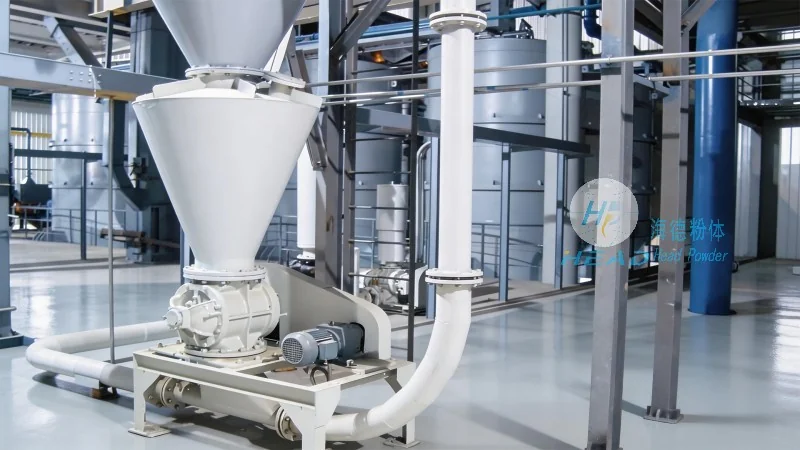
Multi-hopper pneumatic conveying systems offer several advantages over traditional powder handling methods. These include:
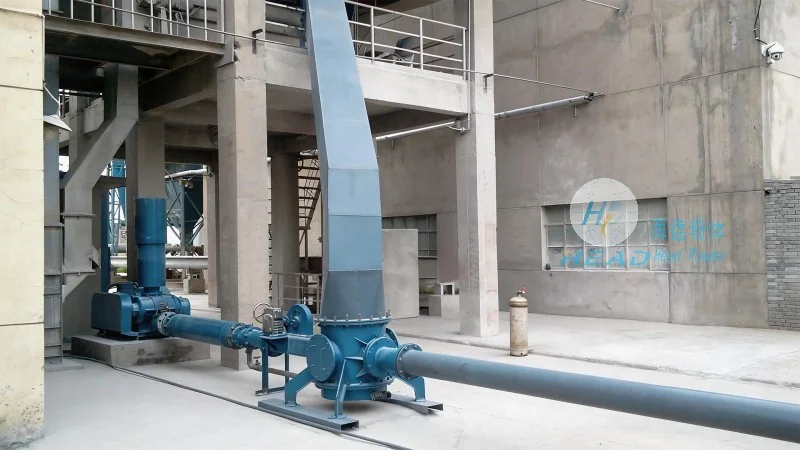
Multi-hopper pneumatic conveying systems are widely used in various industries due to their versatility and efficiency. Some common applications include:
Multi-hopper pneumatic conveying systems are essential equipment for modern industrial powder handling, offering efficient, reliable, and safe transportation of bulk powders. With its advanced design and robust components, the system from Shandong HeadPowder Engineering Co., Ltd. provides a superior solution for various industrial applications. By understanding the working principle and operation process of these systems, industries can optimize their powder handling processes, improve productivity, and ensure product quality. HeadPowder's commitment to quality and innovation ensures that their multi-hopper pneumatic conveying systems meet the highest standards, making them a preferred choice for businesses seeking reliable and efficient powder transportation solutions.

 Shandong Headpowder Engineering Co., Ltd.
 156-6277-7102(Manager Zhang)
  0531-83386006
  Zhangqiu District, Jinan City, Shandong Province, China
telephone
WeChatconsult
top