With more than 10‑year industry experience, Shandong Headpowder delivers full‑service pneumatic‑conveying systems and blowers, undertaking nationwide turn‑key powder‑handling projects.
HeadPowder, a leading manufacturer in the field of pneumatic conveying systems, specializes in providing efficient solutions for handling calcium powder and other fine powders. This article delves into the operation process and working principles of their calcium powder pneumatic conveying equipment, offering insights into how these systems ensure reliable and safe material transport.
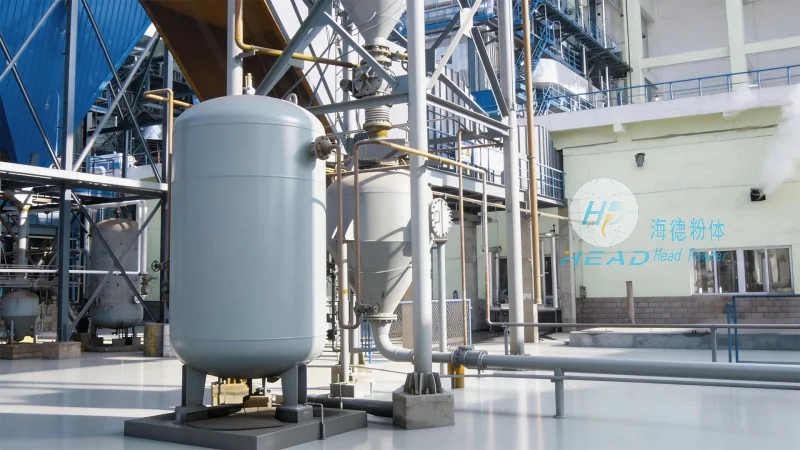
The calcium powder pneumatic conveying system typically consists of several key components that work in tandem to achieve efficient material transport. These include a hopper for material storage, a blower or compressor to generate the necessary air pressure, a pipeline network to direct the flow, and a receiver or discharge unit for material collection. Each component plays a critical role in maintaining the system's performance and ensuring smooth operation.
The operation process begins with the material being fed into the hopper. From there, the material is drawn into the pipeline by the airflow generated by the blower. The air pressure created by the compressor pushes the calcium powder particles through the pipeline, ensuring they are transported to the desired location. The system uses a combination of positive and negative pressure (or a combination of both) depending on the specific application requirements, allowing for flexible and efficient material handling. The receiver at the end of the pipeline collects the calcium powder, completing the transport cycle.
1. Material Loading: The calcium powder is loaded into the hopper, which is equipped with a feeding mechanism to control the flow rate. This step ensures that the material is introduced into the system at a consistent rate, preventing overloading or underloading that could affect system performance.
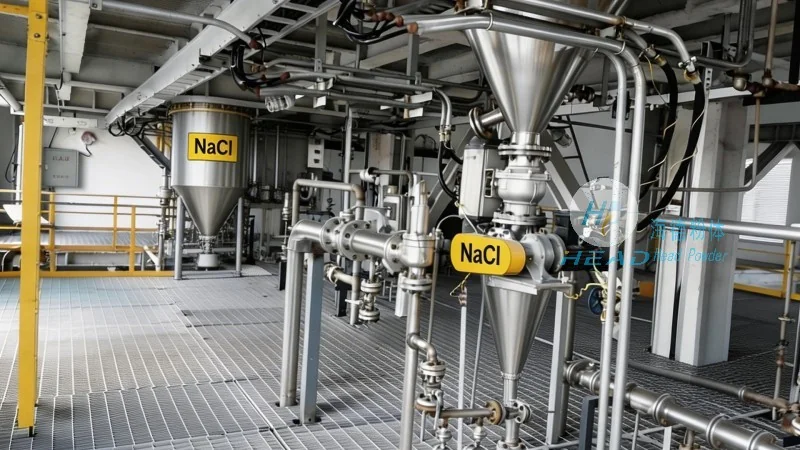
2. Air Compression: The blower or compressor is activated, generating the required air pressure. The pressure level is adjusted based on the material's characteristics, such as particle size, density, and moisture content, to optimize the conveying efficiency.
3. Conveying Process: The compressed air is introduced into the pipeline, creating a flow that pulls the calcium powder particles along. The air velocity is maintained at a level that prevents particle separation or clogging, ensuring a smooth and continuous transport.
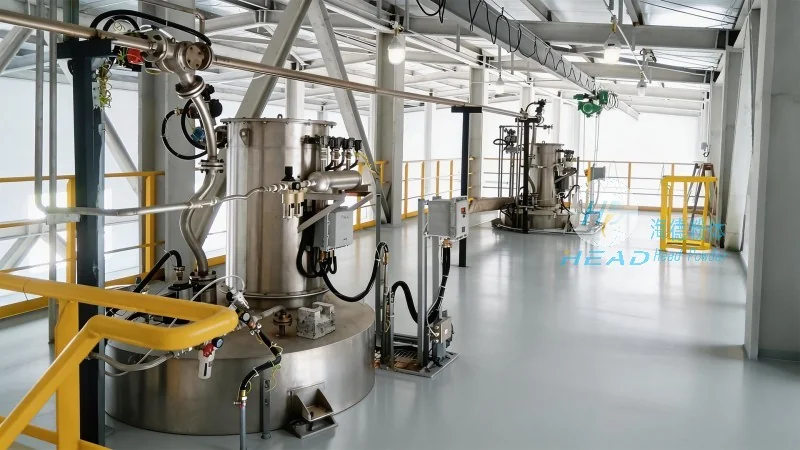
4. Material Discharge: At the receiving end, the air is separated from the calcium powder, and the material is collected in the receiver. The system may include a dust collection or filtration unit to ensure that the air is clean and safe before being released back into the environment.
Implementing a pneumatic conveying system for calcium powder offers several advantages over traditional methods like bucket elevators or belt conveyors. These systems provide a more hygienic and dust-free environment, reducing the risk of contamination and improving product quality. Additionally, they offer higher efficiency and lower maintenance costs, as there are fewer moving parts and less wear and tear compared to mechanical conveyors. The flexibility of pneumatic systems also allows for easy integration with other processing equipment, enabling seamless material handling in industrial settings.
HeadPowder, or Shandong HeadPowder Engineering Co., Ltd., is a reputable company based in Shandong, China. With years of experience in the engineering and manufacturing of pneumatic conveying systems, they specialize in customizing solutions to meet the specific needs of their clients. The company's commitment to quality and innovation has made them a trusted partner in the industry, providing reliable and efficient equipment for various industrial applications.

 Shandong Headpowder Engineering Co., Ltd.
 156-6277-7102(Manager Zhang)
  0531-83386006
  Zhangqiu District, Jinan City, Shandong Province, China
telephone
WeChatconsult
top