

Operation Process and Working Principle of High-Calcium Powder Pneumatic Conveying Machine
High-calcium powder, a vital raw material in sectors such as cement production, chemical processing, and food manufacturing, demands efficient and reliable handling solutions to maintain quality and operational safety. The high-calcium powder pneumatic conveying machine, engineered by Shandong HeadPowder Engineering Co., Ltd. (HeadPowder), based in China, provides an advanced method for transporting this material with precision and minimal loss. This article delves into the operation process and working principle of this equipment, detailing its key components and step-by-step procedures to highlight its functionality.
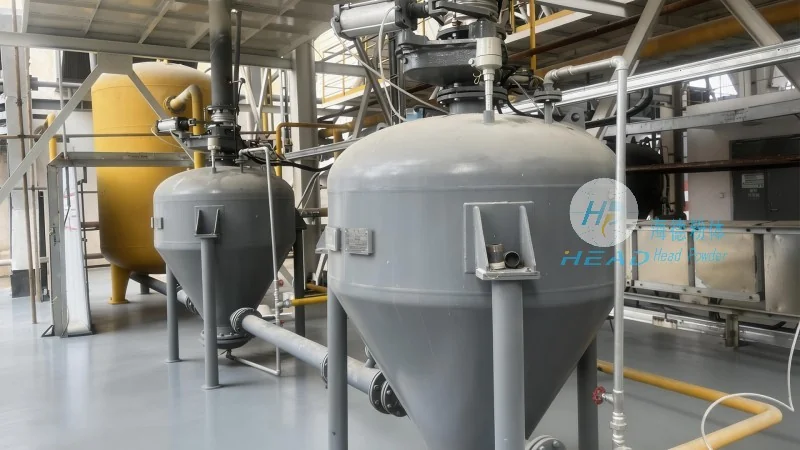
Company Profile and Product Overview
Shandong HeadPowder Engineering Co., Ltd. is a leading manufacturer specializing in pneumatic conveying systems for bulk materials. With a commitment to innovation and quality, the company has established itself as a trusted partner in the industry, offering tailored solutions to meet diverse client needs. The high-calcium powder pneumatic conveying machine is a flagship product designed to address the unique challenges of transporting high-calcium powders, which are typically characterized by high density, fine particle size, and potential for dust generation.
Core Components of the High-Calcium Powder Pneumatic Conveying Machine
The high-calcium powder pneumatic conveying machine comprises several essential components that collaborate to achieve efficient material transport. These include:
- Feeder: This component feeds high-calcium powder into the system at a controlled rate, ensuring consistent flow and preventing blockages.
- Conveying Pipe: The main transport channel, typically made of durable materials like stainless steel or aluminum, to withstand abrasive powder properties.
- Air Supply System: Generates necessary air pressure via a blower or compressor, with filters and regulators for stable operation.
- Separation and Collection System: At the receiving end, this system separates powder from air, using cyclones or bag filters to capture material and minimize dust emissions.
Working Principle of the High-Calcium Powder Pneumatic Conveying Machine
The machine operates on the fundamental principle of pneumatic transport, moving bulk materials via a gas stream. Two primary system types exist: suction (vacuum) and pressure systems, each suited to specific application needs.
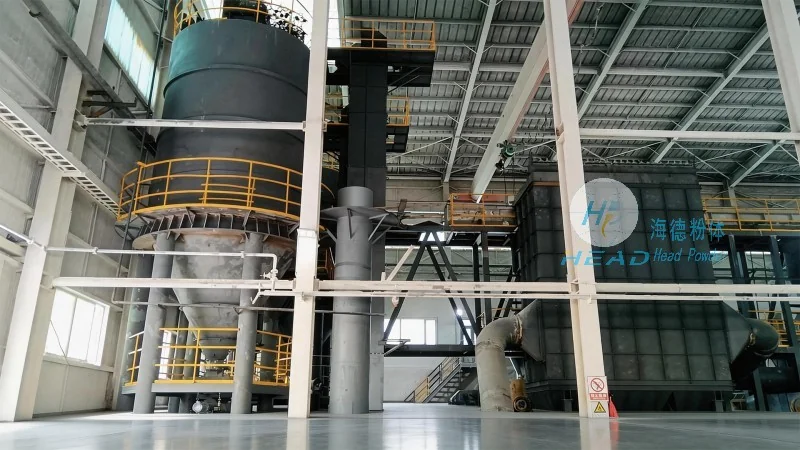
In a suction system, a vacuum at the receiving end draws powder into the conveying pipe, with the air supply system providing pressure to transport it from the feeder to the receiving point. This method is ideal for short distances or lower material positions.
In a pressure system, compressed air from the air supply forces powder into the feeder, which then pushes it through the pipe to the receiving end. This configuration is suitable for longer distances or higher material elevations.
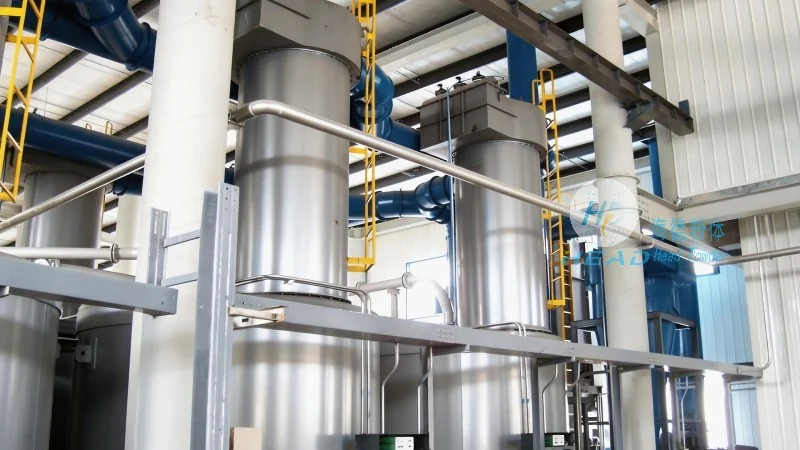
Operation Process of the High-Calcium Powder Pneumatic Conveying Machine
The operation process involves sequential steps to ensure smooth material transport:
- Preparation and Setup: All components are checked for proper installation and functionality. The feeder is adjusted for the desired feed rate, and the air supply is set to the appropriate pressure level. The receiving container is positioned at the end of the pipe.
- Material Feeding: High-calcium powder is fed into the feeder at a controlled rate, ensuring consistent flow and system stability.
- Air Supply Initiation: The air supply system activates, creating either a vacuum (suction) or compressed air (pressure) to initiate material transport.
- Powder Conveying: The powder is suspended and moved through the pipe by the air stream, with air velocity maintained to prevent wear or material degradation.
- Separation and Collection: At the receiving end, the separation system isolates powder from the air stream. The cyclone or bag filter captures the powder, ensuring clean collection and compliance with environmental standards.
- System Shutdown: After material transport is complete, the system is shut down in a controlled manner. The air supply is turned off, the feeder stops, and the receiving container is emptied as needed.
Advantages of the High-Calcium Powder Pneumatic Conveying Machine
The high-calcium powder pneumatic conveying machine offers several advantages over traditional mechanical systems:
- Efficient Material Transport: Provides continuous, efficient transport with reduced manual handling and material loss.
- Low Maintenance: Fewer moving parts compared to mechanical conveyors result in lower maintenance costs and longer service life.
- Reduced Dust and Contamination: Enclosed design minimizes dust emissions and prevents material contamination during transport.
- Flexible Layout Integration: Easily integrates into existing industrial layouts, allowing flexible placement of feeder, pipe, and receiving container.
- Energy Efficiency: Modern designs prioritize energy efficiency, reducing operational costs and environmental impact.
Conclusion
The high-calcium powder pneumatic conveying machine from Shandong HeadPowder Engineering Co., Ltd. is a highly effective solution for industrial bulk material handling. By understanding its operation process and working principle, users can optimize performance and ensure reliable material transport. The machine’s advanced design and robust construction make it a dependable choice for industries requiring efficient and safe handling of high-calcium powders.