With more than 10‑year industry experience, Shandong Headpowder delivers full‑service pneumatic‑conveying systems and blowers, undertaking nationwide turn‑key powder‑handling projects.
For agricultural and food processing industries, the efficient and reliable transportation of bulk materials like corn kernels is crucial for maintaining production efficiency and product quality. Pneumatic conveying systems, particularly those designed for corn kernels, offer a versatile and effective solution to move these materials from one location to another within a facility. This article provides a detailed overview of the operation process and working principle of corn kernel pneumatic conveying lines, highlighting the key components, operational steps, and the technical aspects that ensure smooth and efficient material handling.
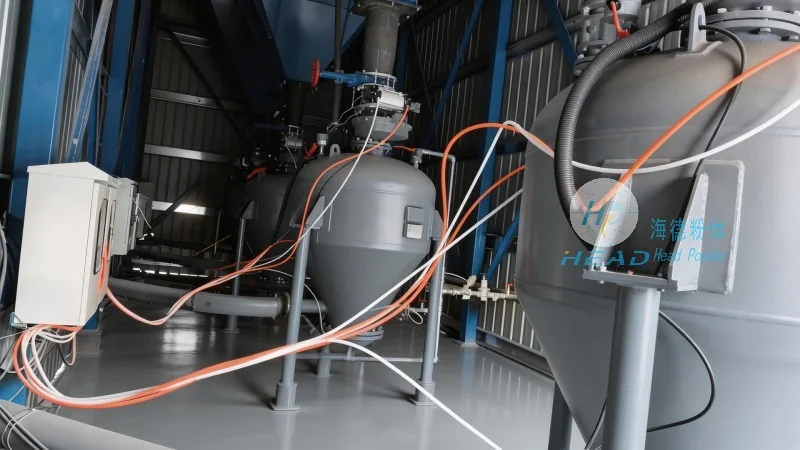
Pneumatic conveying systems use air or gas as the medium to transport bulk materials through a pipeline network. In the case of corn kernel pneumatic conveying lines, these systems are specifically engineered to handle the unique characteristics of corn kernels, such as their size, density, and moisture content. The design of these systems typically involves a combination of positive pressure, negative pressure, or a combination of both, depending on the specific application and the distance the material needs to be conveyed. The primary goal is to ensure that corn kernels are moved safely, efficiently, and with minimal product degradation.
The effectiveness of a corn kernel pneumatic conveying line depends on several critical components that work in tandem to achieve the desired material transport. These components include:
1. Feed Hopper: This is the initial component where corn kernels are loaded. The hopper is designed to store the bulk material and provide a consistent feed to the conveying system. It often includes a discharge valve or gate to control the flow rate of the corn kernels into the system.
2. Air Supply Unit: This unit generates the necessary air pressure or vacuum to move the corn kernels through the pipeline. It typically consists of a blower or compressor, a filter to remove contaminants from the air, and a control system to regulate the air flow and pressure.
3. Pneumatic Conveying Pipe: The pipeline network that transports the corn kernels. The pipe is usually made of durable materials like stainless steel or plastic, chosen for their resistance to corrosion and wear from the corn kernels. The pipe may include bends, elbows, and straight sections, with appropriate fittings to ensure smooth flow and prevent blockages.
4. Receiver or Discharge Unit: The final component where the corn kernels are deposited. This unit may include a silo, a storage bin, or a processing equipment inlet, depending on the downstream application. It is designed to safely receive the material and prevent spillage or loss.
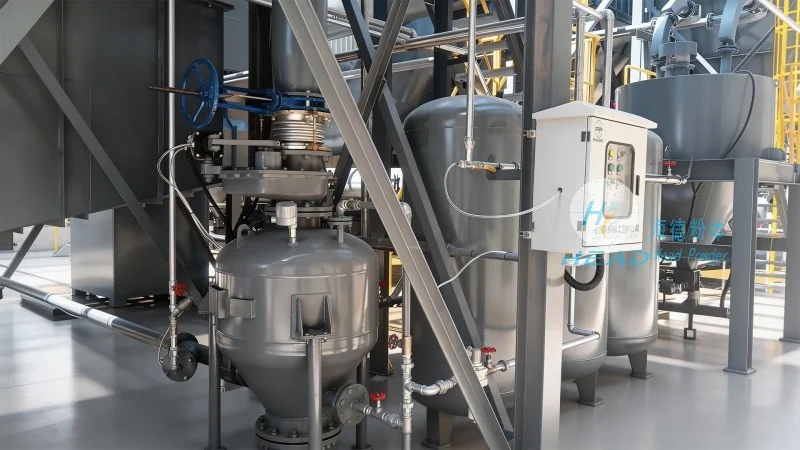
5. Control System: An integrated control system that monitors and regulates the operation of the entire pneumatic conveying line. This includes sensors for pressure, flow rate, and level, as well as control valves and actuators to adjust the air supply and material feed as needed.
The working principle of a corn kernel pneumatic conveying line is based on the principle of fluidization and suspension. When air is introduced into the conveying pipe at a sufficient velocity, it creates a flow that lifts and suspends the corn kernels, allowing them to be transported through the pipeline. The air velocity must be high enough to overcome the gravitational force acting on the corn kernels but not so high as to cause excessive wear or damage to the material.
There are two main types of pneumatic conveying systems used for corn kernels: positive pressure and negative pressure systems. Positive pressure systems use a blower to force air and corn kernels through the pipeline, while negative pressure systems use a vacuum to draw the material into the pipe. The choice between these systems depends on factors such as the distance to be conveyed, the amount of material to be moved, and the layout of the facility.
The operation process of a corn kernel pneumatic conveying line involves several sequential steps that ensure the smooth and efficient transport of the material. The process typically begins with the loading of corn kernels into the feed hopper. The control system then activates the air supply unit, which starts generating the required air pressure or vacuum. The corn kernels are then discharged from the hopper into the conveying pipe, where they are carried by the air flow to the receiver or discharge unit.
During the operation, the control system continuously monitors the pressure and flow rate to ensure that the system is operating within the optimal parameters. If any issues arise, such as a blockage in the pipe or a change in the material feed rate, the control system will automatically adjust the air supply or take corrective actions to prevent system failure.
The entire process is designed to be automated, with minimal human intervention required. This not only improves efficiency but also reduces the risk of accidents and product contamination. The control system can be programmed to operate on a scheduled basis or in response to specific triggers, such as the level of material in the hopper or the demand from the downstream processing equipment.
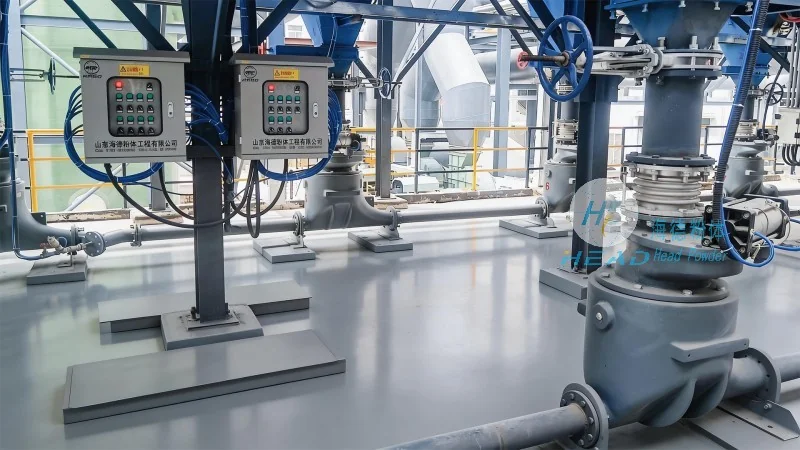
Compared to traditional material handling methods like belt conveyors or bucket elevators, corn kernel pneumatic conveying lines offer several advantages. These include:
1. Reduced Product Damage: The use of air to transport corn kernels minimizes the impact and friction that can cause damage to the kernels, ensuring that the product quality is maintained.
2. Improved Hygiene and Cleanliness: Pneumatic conveying systems are enclosed, which helps to prevent contamination from dust, moisture, or other environmental factors. This is particularly important for food processing applications where product safety is a top priority.
3. Space Efficiency: The compact design of pneumatic conveying lines allows for installation in areas with limited space, making them suitable for facilities with tight layouts.
4. Flexibility and Versatility: Pneumatic conveying systems can be easily reconfigured to handle different types of bulk materials, including other grains, seeds, or powders. They can also be integrated with other processing equipment to create a comprehensive material handling solution.
5. Energy Efficiency: Modern pneumatic conveying systems are designed to be energy-efficient, with features such as variable speed drives and optimized air flow that reduce energy consumption while maintaining performance.
Corn kernel pneumatic conveying lines are widely used in various industries, including:
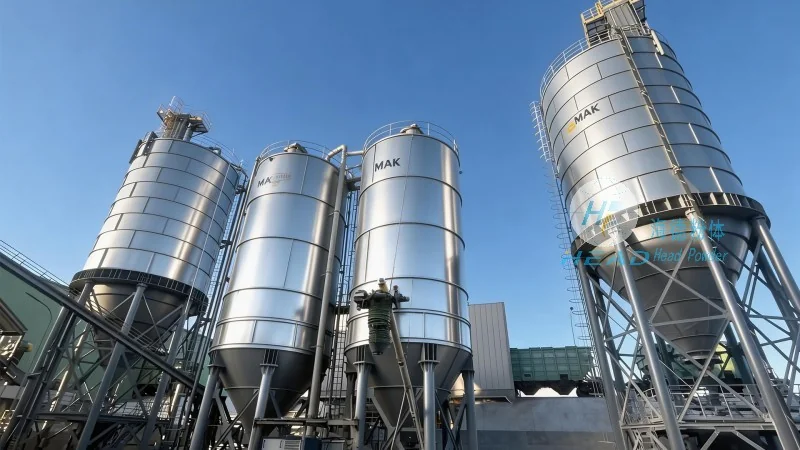
1. Agricultural Processing: In corn processing facilities, these systems are used to transport corn kernels from storage silos to processing equipment such as dehullers, dryers, and mills.
2. Food Manufacturing: In food processing plants, pneumatic conveying lines are used to move corn kernels for the production of cornmeal, corn flour, and other food products.
3. Feed Production: In animal feed manufacturing, these systems are used to transport corn kernels as a key ingredient in the production of feed pellets and other animal feed products.
4. Industrial Processing: In industrial applications, corn kernel pneumatic conveying lines may be used to transport corn kernels for use in biofuel production, ethanol manufacturing, or other industrial processes.
Overall, corn kernel pneumatic conveying lines are an essential component of modern material handling systems in the agricultural and food processing industries. By understanding the operation process and working principle of these systems, businesses can ensure that they are using the most efficient and effective technology to move their bulk materials. The key to successful operation lies in proper design, regular maintenance, and the use of advanced control systems that optimize performance and minimize downtime.
As a leading provider of engineering solutions for bulk material handling, Shandong HeadPowder Engineering Co., Ltd. specializes in designing and manufacturing high-quality corn kernel pneumatic conveying lines tailored to the specific needs of our clients. With our expertise in the field and our commitment to quality, we help businesses improve their operational efficiency, reduce costs, and enhance product quality. Our systems are built to withstand the demands of continuous operation and are backed by a team of experienced professionals who provide technical support and maintenance services to ensure long-term performance.

 Shandong Headpowder Engineering Co., Ltd.
 156-6277-7102(Manager Zhang)
  0531-83386006
  Zhangqiu District, Jinan City, Shandong Province, China
telephone
WeChatconsult
top