

Operation Process and Working Principle of Cocoa Powder Pneumatic Conveying Equipment
Shandong HeadPowder Engineering Co., Ltd. is a professional manufacturer and supplier of advanced pneumatic conveying systems, specializing in the design, production, and installation of equipment tailored for the cocoa powder industry. HeadPowder is located in Shandong, China, and has established a strong reputation for delivering high-quality, reliable, and efficient solutions for material handling in food processing applications.
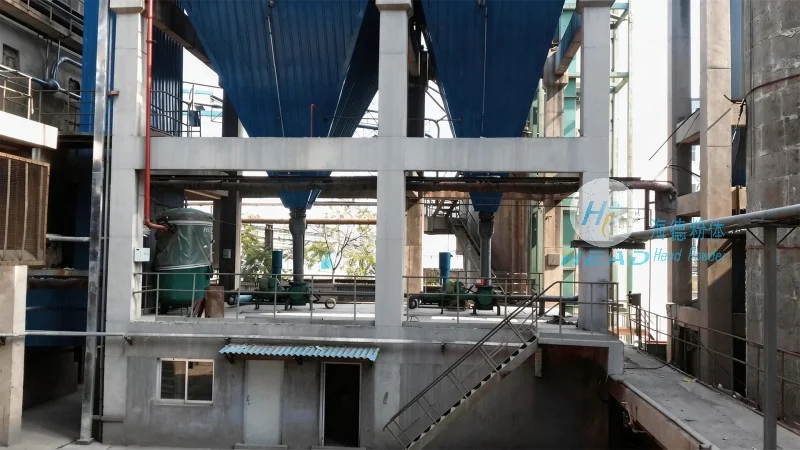
Operation Process of Cocoa Powder Pneumatic Conveying Equipment
The operation of cocoa powder pneumatic conveying equipment involves several key steps that ensure the smooth and efficient transfer of cocoa powder from one location to another. The process typically begins with the loading of the cocoa powder into the hopper or storage silo. Once the material is loaded, the system activates the air compressor, which generates the necessary air pressure to initiate the conveying process. The compressed air is then directed into the pipeline, creating a flow that pulls the cocoa powder particles into the system. As the air moves through the pipeline, it carries the cocoa powder in a suspended state, allowing it to travel through the entire conveying line without the need for mechanical components like belts or buckets. The system includes various components such as airlocks, cyclones, and filters to control the flow and ensure the material is delivered to the target destination. The entire process is automated, with sensors and control systems monitoring the pressure, flow rate, and material level to maintain optimal performance. This automated operation minimizes human intervention, reduces the risk of contamination, and enhances overall efficiency in the cocoa powder handling process.
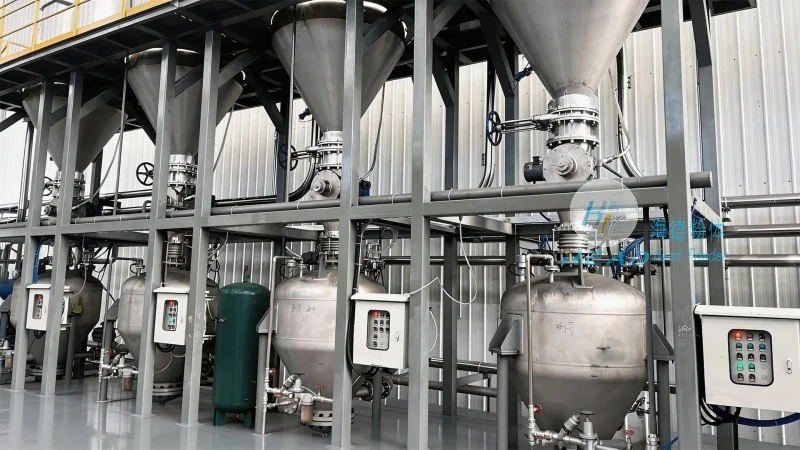
Working Principle of the Equipment
The working principle of cocoa powder pneumatic conveying equipment is based on the fundamental concept of pneumatic transport, which utilizes compressed air to move solid materials through a pipeline. The system operates by creating a pressure differential between the inlet and outlet of the conveying line. The air compressor generates high-pressure air, which is introduced into the hopper where the cocoa powder is stored. The air then entrains the cocoa powder particles, forming a mixture known as a "slurry" or "conveyed stream." This mixture travels through the pipeline under the force of the compressed air, moving from the source to the destination. The equipment includes components such as airlocks at the inlet and outlet to prevent backflow and maintain a consistent flow rate. Cyclones are used to separate the cocoa powder from the air stream at the receiving end, allowing the powder to be collected in a container while the air is either recirculated or vented to the atmosphere. Filters are also integrated to remove any fine particles or contaminants from the air, ensuring the system operates cleanly and efficiently. The entire process relies on the balance between air pressure, material properties, and pipeline design to achieve effective and reliable conveying. By leveraging the principles of fluid dynamics and particle mechanics, the equipment ensures that cocoa powder is transported safely and without degradation, maintaining its quality and consistency throughout the process.
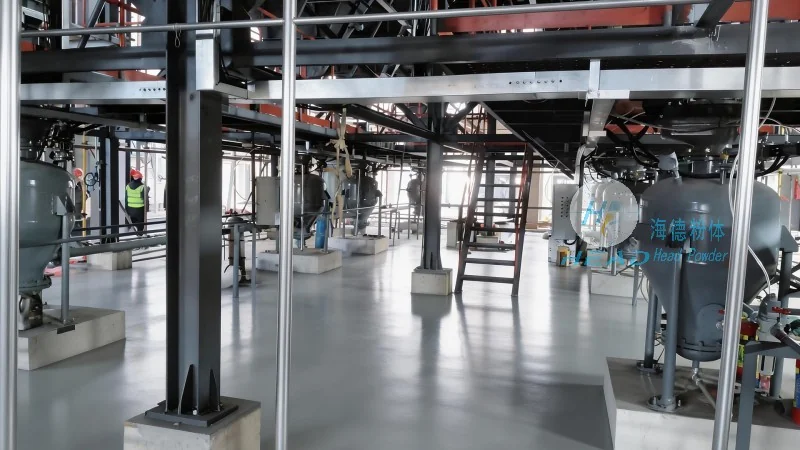
Key Features and Benefits
HeadPowder's cocoa powder pneumatic conveying equipment offers several advantages that make it an ideal choice for food processing facilities. The system is designed to handle the unique characteristics of cocoa powder, such as its fine particle size and hygroscopic nature, ensuring that the material is not damaged or contaminated during transport. The automated operation reduces labor costs and minimizes the risk of human error, while the enclosed system prevents dust emissions and maintains a clean working environment. The equipment is also highly flexible, allowing for easy integration with existing production lines and the ability to adjust the conveying rate based on production needs. Additionally, the use of pneumatic transport eliminates the need for mechanical components, reducing maintenance requirements and extending the lifespan of the system. The advanced control systems provide real-time monitoring and data logging, enabling operators to optimize the process and troubleshoot any issues quickly. Overall, the equipment enhances productivity, improves product quality, and ensures compliance with industry standards for food safety and handling.