

Principle and Working Scene Characteristics of Thermoplastic Polyurethane Material Handling Equipmen
Thermoplastic polyurethane (TPU) material handling equipment represents a sophisticated solution for transporting and managing various materials in industrial settings. This equipment is designed to offer durability, flexibility, and efficiency, making it suitable for a wide range of applications. The following sections will explore the fundamental principles behind its operation and the specific working scenarios where it excels.
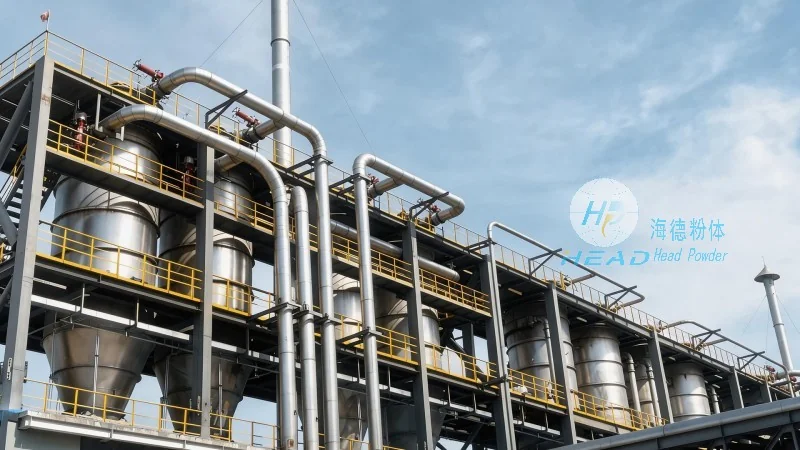
Core Principles of Thermoplastic Polyurethane Material Handling Equipment
The operation of thermoplastic polyurethane material handling equipment is grounded in the unique properties of TPU, a polymer known for its elasticity, abrasion resistance, and chemical stability. These characteristics enable the equipment to handle diverse materials without degradation, ensuring consistent performance over time. The equipment typically consists of components such as conveyor belts, rollers, and control systems, all engineered to work in harmony to facilitate smooth material movement. The design emphasizes low maintenance and high reliability, which are critical for continuous industrial operations.
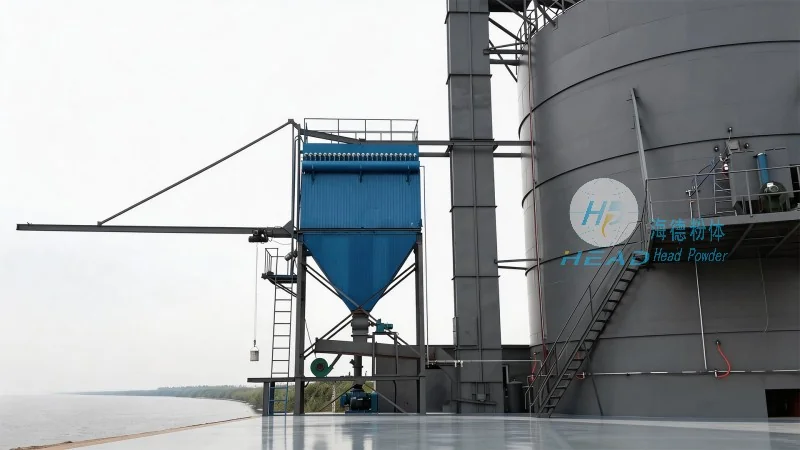
Key Working Scene Characteristics
Thermoplastic polyurethane material handling equipment is particularly effective in environments where traditional materials may fail. For instance, in food processing facilities, the equipment's non-toxic and hygienic properties make it ideal for transporting food products, as it meets stringent safety standards. In manufacturing plants, its ability to handle heavy loads and resist wear from metal parts ensures longevity and reduced downtime. Additionally, the equipment's adaptability allows it to be integrated into existing production lines with minimal modifications, enhancing operational efficiency.
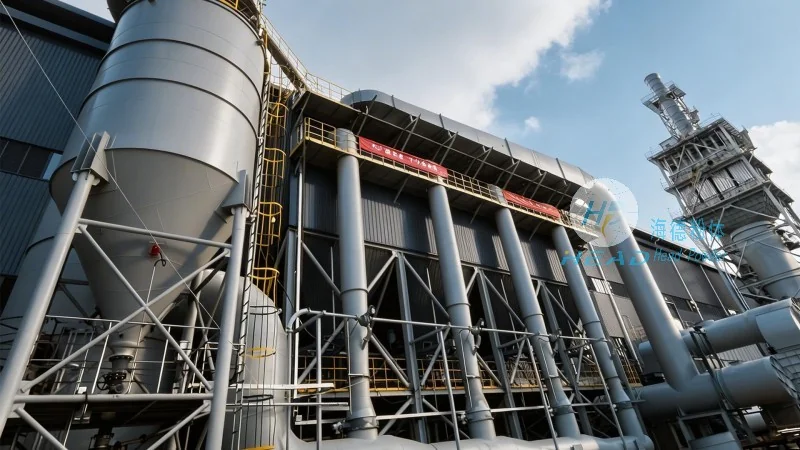
Application Examples and Performance Metrics
Real-world applications of TPU material handling equipment include the transportation of bulk materials in mining operations, where the equipment's resistance to abrasion and impact protects it from harsh conditions. In automotive manufacturing, the equipment efficiently moves components through assembly lines, contributing to streamlined production processes. Performance metrics such as load capacity, speed, and energy consumption are optimized to meet the demands of each specific industry, ensuring that the equipment delivers consistent results under varying conditions.
Advantages Over Traditional Materials
Compared to other materials like rubber or metal, thermoplastic polyurethane offers several advantages. Its flexibility allows it to conform to irregular surfaces, reducing the risk of material damage. The material's resistance to chemicals and solvents makes it suitable for environments where exposure to harsh substances is common. Furthermore, TPU equipment is more cost-effective in the long run due to lower maintenance costs and longer service life, making it a preferred choice for businesses seeking sustainable and efficient solutions.
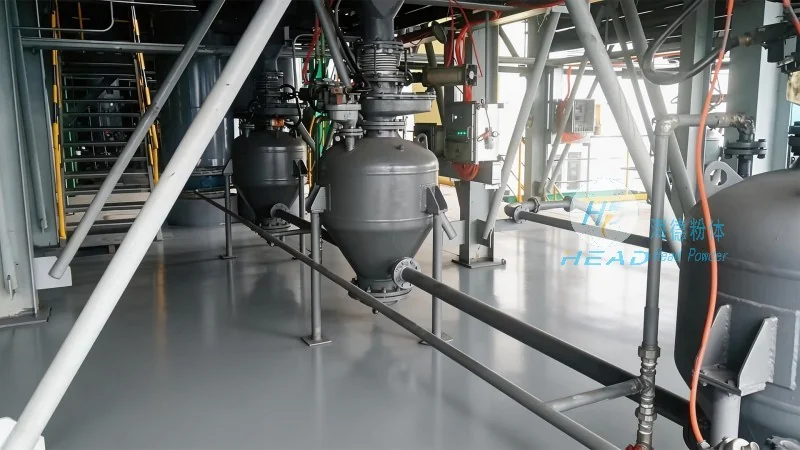
Conclusion and Company Overview
Thermoplastic polyurethane material handling equipment is a reliable and versatile solution for modern industrial needs. Its combination of durability, adaptability, and efficiency makes it an essential component in various working scenarios. As a leading provider in this field, Shandong HeadPowder Engineering Co., Ltd. specializes in manufacturing high-quality TPU material handling equipment tailored to meet the specific requirements of different industries. With a commitment to innovation and customer satisfaction, the company ensures that its products deliver superior performance and longevity, supporting businesses in achieving their operational goals.