

Principles and Working Scene Characteristics of Mine Material Conveying
HeadPowder, a leading enterprise in the field of mine material conveying technology, specializes in providing comprehensive solutions for efficient material handling in mining operations. With a strong presence in Shandong, China, the company has established itself as a reliable partner for mining companies seeking advanced and reliable conveying systems.
Understanding the Core Principles of Mine Material Conveying
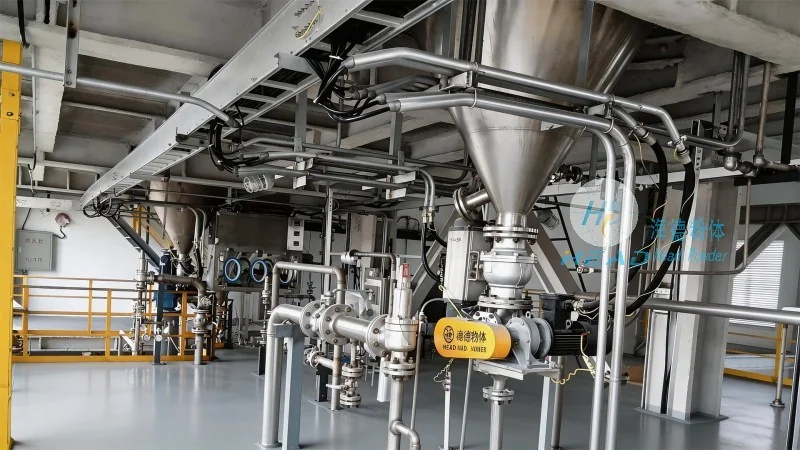
The fundamental principle of mine material conveying revolves around the efficient transportation of bulk materials from one location to another within a mining site. This process is typically achieved through mechanical systems that utilize various mechanisms such as belts, buckets, or chains to move materials. The choice of conveying method depends on several factors, including the type of material (e.g., ore, rock, coal), the distance to be covered, and the environmental conditions of the mine. For instance, belt conveyors are widely used for transporting loose materials over long distances due to their high capacity and low operational cost. In contrast, bucket elevators are preferred for vertical or inclined transport of materials in confined spaces, where space constraints are a critical consideration.
Key Working Scene Characteristics in Mine Material Conveying
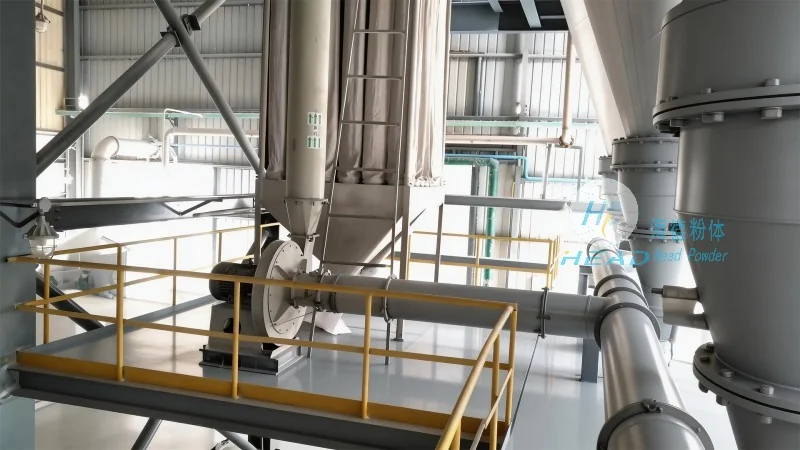
Each mining operation presents unique working scene characteristics that influence the design and implementation of conveying systems. These characteristics include the geological conditions of the mine, the layout of the mining area, and the specific requirements of the material being transported. For example, in underground mines, the conveying system must be robust enough to withstand the harsh conditions, including high humidity, dust, and potential vibrations from mining activities. The system also needs to be flexible to adapt to changes in the mine layout as operations progress. In open-pit mines, the focus shifts to handling large volumes of material over extended horizontal distances, often requiring multiple conveyor sections connected in series to achieve the required throughput. Additionally, the working scene may involve varying material properties, such as different sizes and moisture content, which necessitates the use of specialized conveyor components like impact beds or idlers to prevent damage and ensure smooth operation.
Application of Conveying Systems in Different Mining Environments
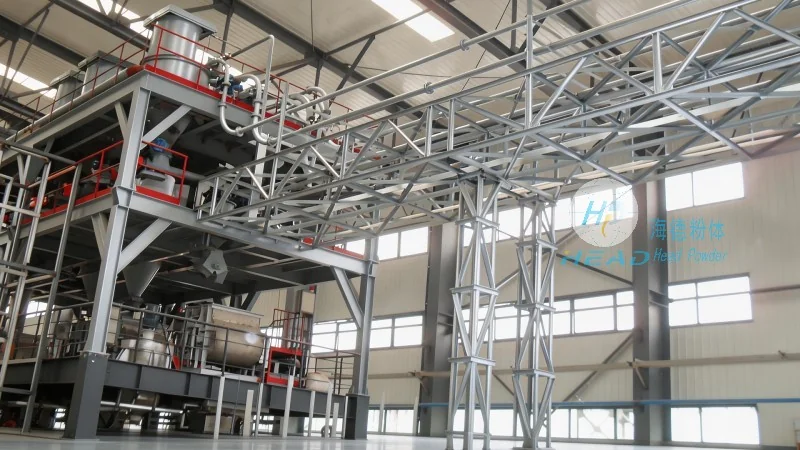
HeadPowder's expertise lies in tailoring conveying solutions to suit diverse mining environments. Whether it's a deep underground mine or a large-scale open-pit operation, the company's engineers design systems that optimize material flow while minimizing downtime and maintenance costs. In underground mines, the company utilizes compact and durable conveyor systems that can be installed in narrow tunnels, ensuring that materials are transported efficiently from the extraction point to the processing plant. These systems often incorporate features like variable speed drives and automatic tension control to maintain consistent performance under varying load conditions. In open-pit mines, HeadPowder employs long-distance belt conveyors that can span several kilometers, transporting ore from the excavation area to the processing facilities at the edge of the pit. The company's systems are designed to handle high tonnage rates, often exceeding 10,000 tons per hour, while maintaining low energy consumption and minimal environmental impact.
Technological Advancements in Mine Material Conveying
As mining operations evolve, technological advancements continue to enhance the efficiency and reliability of mine material conveying systems. HeadPowder stays at the forefront of these developments by integrating modern technologies into its solutions. For instance, the use of sensors and monitoring systems allows for real-time tracking of conveyor performance, enabling early detection of issues such as belt misalignment or overload. This proactive approach helps minimize unexpected downtime and reduces maintenance costs. Additionally, the company has adopted automation and control systems that optimize the operation of conveying equipment based on real-time data, ensuring that the system operates at peak efficiency under varying operational conditions. These technological innovations not only improve the performance of the conveying system but also contribute to the overall safety and sustainability of mining operations.
Conclusion
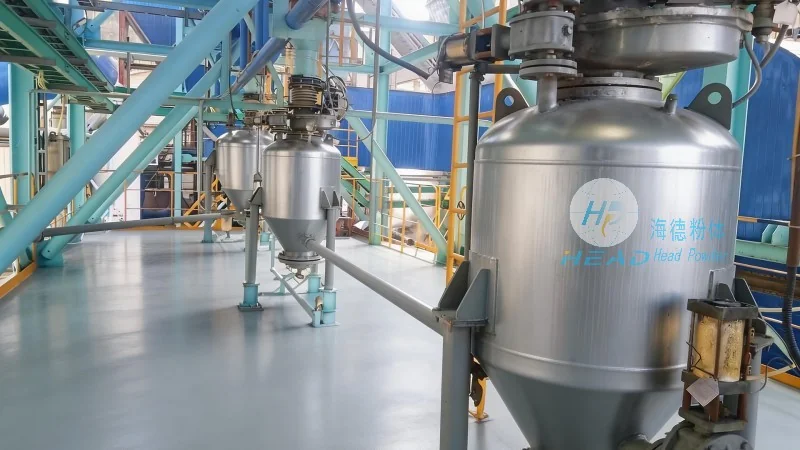
HeadPowder Engineering Co., Ltd., based in Shandong, China, exemplifies the integration of advanced technology and practical application in mine material conveying. By understanding the core principles and adapting to the unique working scene characteristics of each mining operation, the company provides tailored solutions that enhance operational efficiency and reliability. As the mining industry continues to demand more efficient and sustainable material handling solutions, HeadPowder remains committed to delivering innovative and effective conveying systems that meet the evolving needs of its clients.