

Principles and Working Scene Characteristics of Waste Powder Conveying Lines
Waste powder conveying lines are critical components in modern waste management systems, designed to efficiently transport various types of solid waste materials from collection points to processing facilities. The technology behind these systems combines mechanical engineering principles with material handling expertise to ensure reliable and sustainable waste processing. This article explores the fundamental principles of waste powder conveying lines and highlights key working scene characteristics that define their application in real-world waste management operations.
Company Information
HeadPowder, a leading provider in the field, is represented by Shandong HeadPowder Engineering Co., Ltd., a company based in Shandong, China. With a strong commitment to innovation and quality, HeadPowder specializes in the design, manufacturing, and implementation of advanced waste handling solutions. The company's expertise spans a range of waste processing technologies, including powder conveying systems tailored for municipal solid waste, industrial waste, and other solid waste streams.
Principles of Waste Powder Conveying Lines
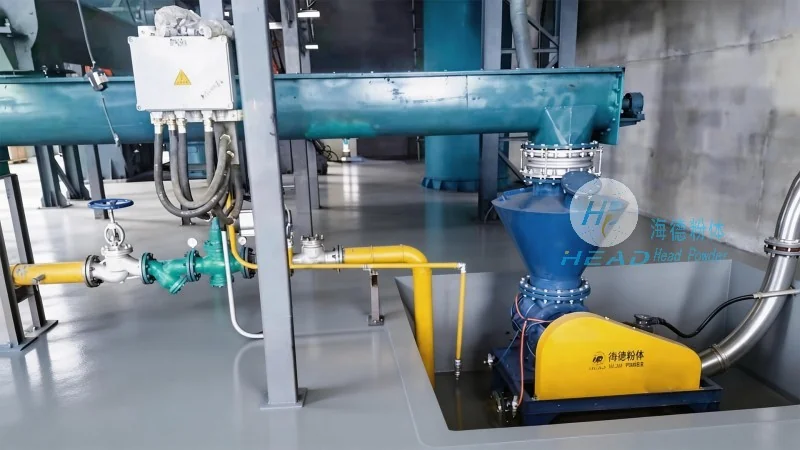
The core principle of waste powder conveying lines is to utilize mechanical forces to move solid waste materials through a network of pipes or ducts. These systems typically employ pneumatic or mechanical methods to transport waste, depending on the specific characteristics of the material being handled. Pneumatic conveying systems, for instance, use compressed air to create a flow that propels the waste particles through the system, while mechanical systems rely on screw conveyors, belt conveyors, or other mechanical components to move the material. The choice of conveying method is determined by factors such as the particle size, moisture content, and density of the waste, as well as the required distance and throughput capacity.
Working Scene Characteristics
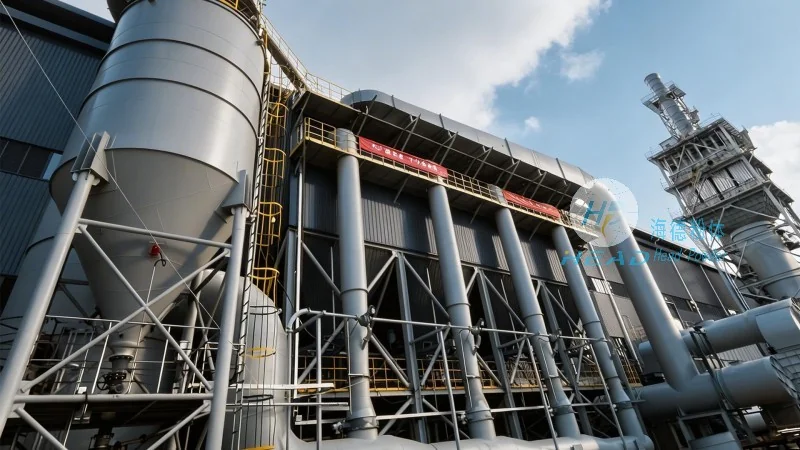
Waste powder conveying lines are deployed in diverse working environments, each with unique requirements that influence system design and operation. In municipal waste management, these systems are commonly used to transport collected waste from landfills, transfer stations, or recycling facilities to processing plants. The working scene often involves high-volume, continuous operation, with the need to handle a wide variety of waste types, including organic matter, plastics, and metals. Industrial applications, on the other hand, may involve the conveyance of waste from manufacturing processes, such as food processing, chemical production, or pharmaceutical manufacturing, where the waste may have specific characteristics like high moisture content or abrasive properties.
Key Features and Advantages
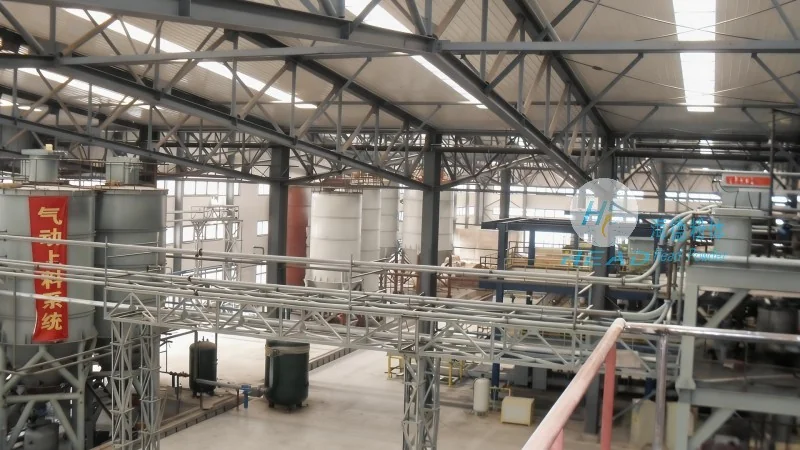
Modern waste powder conveying lines are equipped with several features that enhance their performance and reliability. These include advanced control systems that allow for real-time monitoring and adjustment of conveying parameters, ensuring optimal operation under varying conditions. The systems also incorporate safety features, such as pressure relief valves and emergency stop mechanisms, to prevent accidents and protect personnel. Additionally, the use of corrosion-resistant materials and robust construction ensures durability and longevity, even in harsh environmental conditions. The efficiency of these systems is further improved through the integration of energy-saving technologies, such as variable frequency drives, which adjust motor speed based on the load, reducing energy consumption.
Application Examples
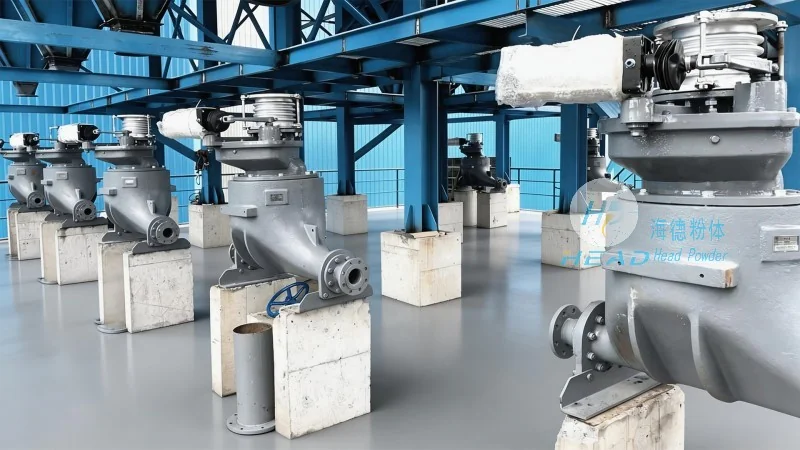
HeadPowder's waste powder conveying lines have been successfully implemented in various real-world scenarios. For example, in a large municipal waste transfer station, the system was designed to transport up to 500 tons of waste per day from collection trucks to a nearby processing plant. The pneumatic conveying system, equipped with a high-capacity blower and a network of stainless steel pipes, efficiently handled the waste, minimizing the need for manual handling and reducing labor costs. In another application, the system was used in an industrial setting to convey waste from a food processing plant to a composting facility. The mechanical screw conveyor system, with its ability to handle wet and sticky materials, ensured consistent flow and prevented blockages, improving the overall efficiency of the composting process.
Conclusion
Waste powder conveying lines play a vital role in the efficient management of solid waste, enabling the smooth transfer of waste materials from collection to processing. The principles and working scene characteristics of these systems are tailored to meet the specific needs of different applications, ensuring optimal performance and reliability. As a leading provider, Shandong HeadPowder Engineering Co., Ltd. continues to innovate and develop advanced conveying solutions that address the evolving challenges of waste management, contributing to a more sustainable and efficient waste processing industry.